Olive grove tuscany hillside
1344×768 · AVIF · CC BY 4.0
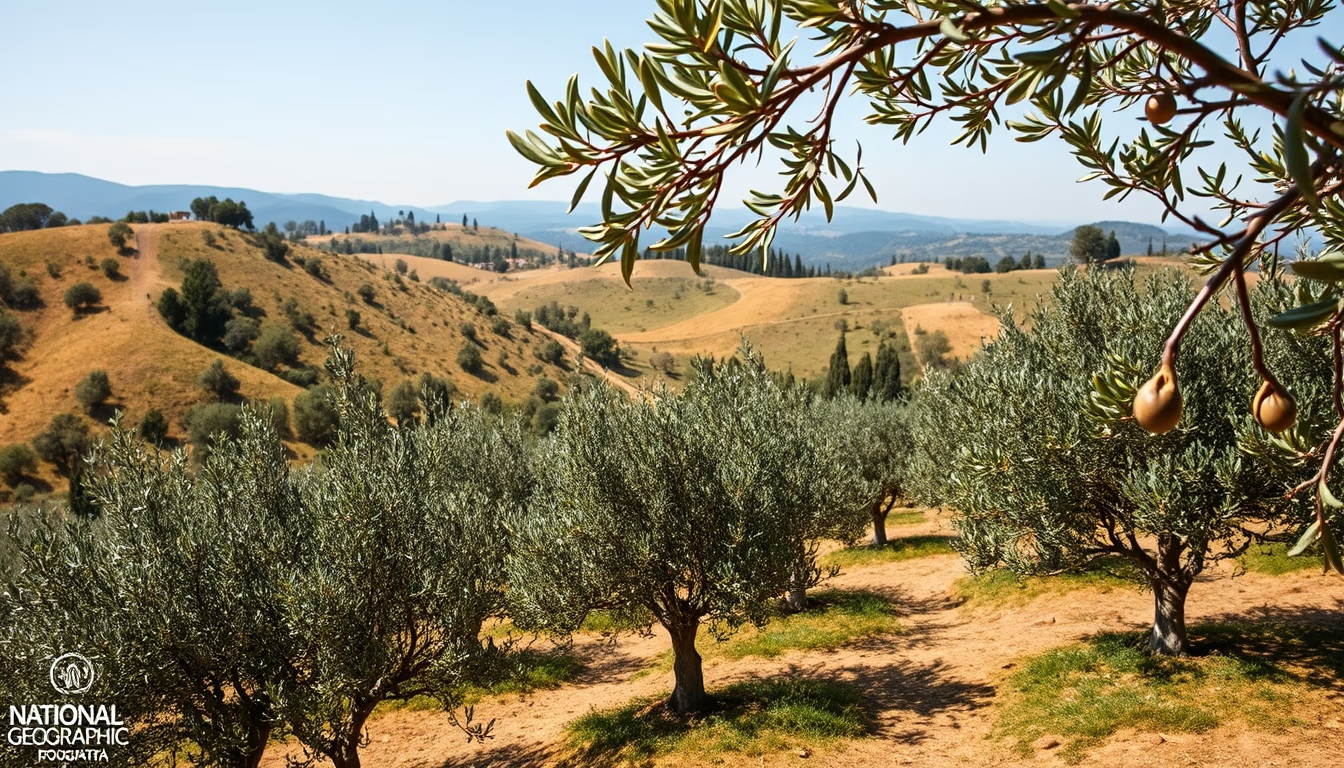
The olive groves on the Tuscan hillsides form an iconic landscape, where centuries of cultivation yield award-winning oils and define the region's rural identity.
About this subject
Tuscany, in central Italy, is world-famous for its rolling hills dotted with olive groves. Olive cultivation in the region dates back to Etruscan times over two thousand years ago and was intensified by the Romans, who refined pruning and pressing techniques. Today, Tuscan olive growing is synonymous with quality, especially through the Protected Designation of Origin (PDO) Toscano, which covers extra virgin olive oils produced from varieties such as Frantoio, Leccino, and Moraiolo.
The Tuscan hills, with their Mediterranean climate of mild winters and dry summers, provide ideal conditions for olive growing. Groves are often planted on terraces to prevent soil erosion, a centuries-old technique that shapes the landscape. Manual harvesting, still common on family farms, ensures fruit integrity, while modern mills extract oil cold to preserve aromas and polyphenols.
Tuscan extra virgin olive oil is known for its fruity flavor with hints of artichoke, cut grass, and almond, along with a slight bitterness and pungency. It is a cornerstone of the Mediterranean diet, recognized by UNESCO as an Intangible Cultural Heritage of Humanity. Beyond gastronomic value, Tuscan olive groves play a crucial ecological role, harboring biodiversity and preventing soil desertification.
Interestingly, olive trees can live for centuries: some in Tuscany are over a thousand years old, such as the famous Olivastra di Seggiano. The region also hosts fairs and tourist routes dedicated to olive oil, like the Strada dell'Olio, which connects producers and visitors in an experience blending landscape, culture, and flavor.
Frequently Asked Questions
What are the main olive varieties grown in Tuscany?
The main varieties are Frantoio, Leccino, and Moraiolo, which together form the basis of PDO Toscano oil.
Why does Tuscan olive oil taste pungent and bitter?
These characteristics come from a high concentration of polyphenols, natural antioxidants present in olives harvested while still green.
Can you visit olive groves in Tuscany?
Yes, the Strada dell'Olio (Olive Oil Route) offers tourist itineraries with visits to farms, tastings, and olive oil museums.
Direct URL
https://pub-c7d6a6ea828543ac903a74a341ccb2e1.r2.dev/imagens/olive-grove-tuscany-hillside-national-geographic-style-p9.avifHow to credit
Include a visible link back to UtilizAí. Copy one of the snippets below:
<a href="https://xn--utiliza-eza.com/en/midia/imagens/olive-grove-tuscany-hillside-national-geographic-style-p9">Olive grove tuscany hillside</a> by <a href="https://xn--utiliza-eza.com">UtilizAí</a>, licensed under <a href="https://creativecommons.org/licenses/by/4.0/">CC BY 4.0</a>.
[Olive grove tuscany hillside](https://xn--utiliza-eza.com/en/midia/imagens/olive-grove-tuscany-hillside-national-geographic-style-p9) by [UtilizAí](https://xn--utiliza-eza.com), CC BY 4.0
License: CC-BY-4.0