Olive grove tuscany hillside
1344×768 · AVIF · CC BY 4.0
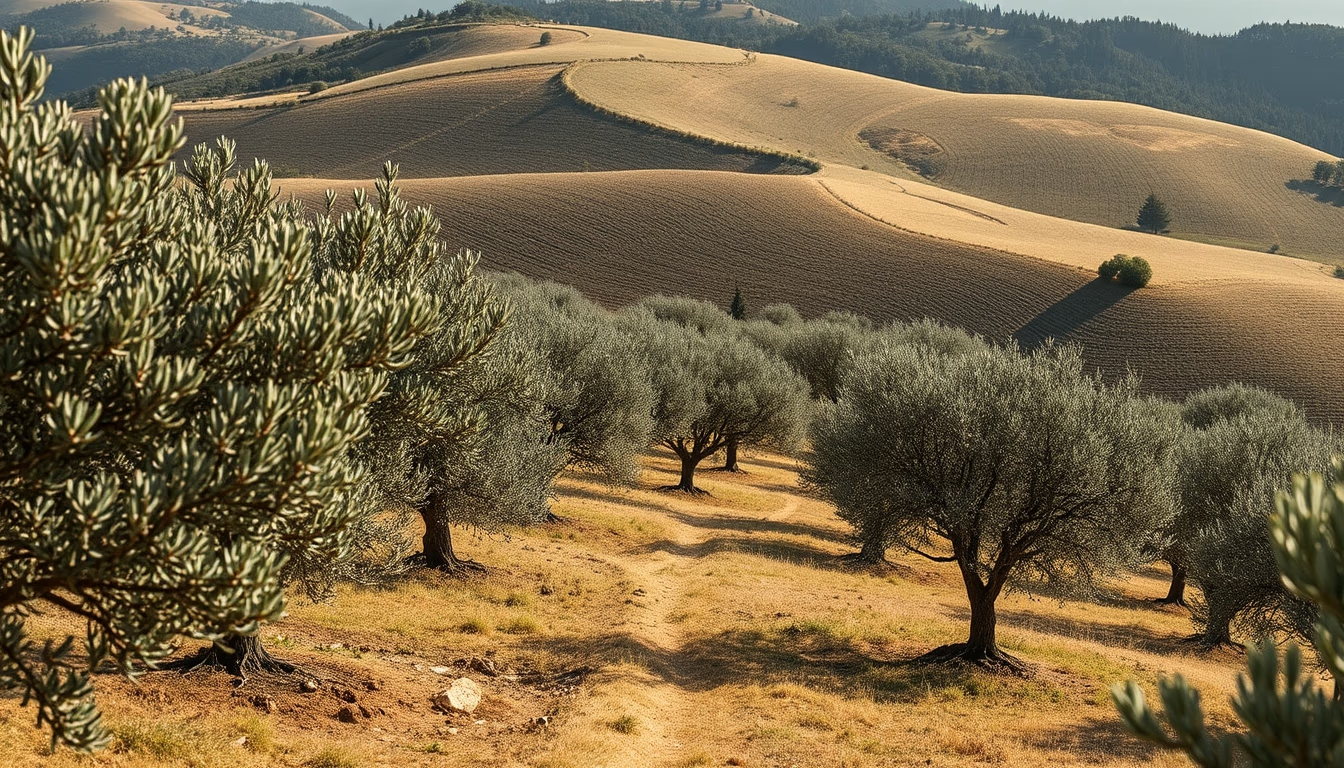
Olive grove on a Tuscan hillside: a millennia-old landscape blending agriculture, history, and extra virgin olive oil production.
About this subject
Olive groves on hillsides are one of the most iconic images of Tuscany, a region in central Italy. This landscape, formed by thousands of olive trees arranged on terraces or following the gentle hills, is the result of centuries of cultivation. Olive trees (Olea europaea) were introduced by the Etruscans and later expanded by the Romans, who developed pressing and storage techniques for olive oil. Today, Tuscany is a major producer of extra virgin olive oil in Italy, with protected designations of origin such as Chianti Classico, Montalbano, and Seggiano. Tuscan oil is known for its fruity flavor, with hints of herbs and almonds, and low acidity.
Olive trees are mainly cultivated in the provinces of Florence, Siena, Arezzo, and Grosseto. Elevation ranges from 100 to 600 meters, and the Mediterranean climate with mild winters and dry summers favors olive ripening. Common varieties include Frantoio, Leccino, Moraiolo, and Pendolino, each imparting specific characteristics to the oil. Harvesting occurs between October and December, usually by hand or with mechanical shakers to preserve fruit quality. After harvest, olives are quickly taken to the mill for cold pressing, extracting oil without heat or chemicals.
Beyond oil production, olive groves play a key role in soil preservation and Tuscany's scenic beauty. Olive roots help prevent erosion on steep slopes, and regular pruning keeps trees healthy and productive for decades, even centuries. Some Tuscan groves have centenarian specimens, like those in the Lucca region, considered agricultural heritage. The combination of olive trees with vineyards and sunflower fields creates an agricultural mosaic that attracts tourists worldwide and inspires numerous artworks and photographs.
Tuscan olive oil is also a symbol of the Mediterranean diet, recognized by UNESCO as Intangible Cultural Heritage of Humanity. Its consumption is associated with cardiovascular and antioxidant benefits. Local producers often offer tastings and guided tours of mills, explaining the production process and sensory characteristics. The olive grove culture in Tuscany is thus an example of how agriculture, history, and landscape can integrate sustainably and profitably.
Frequently Asked Questions
What is the best time to visit olive groves in Tuscany?
The best time is during the olive harvest, from October to December, when mills are active and tastings and guided tours are available.
What makes Tuscan olive oil different from other Italian oils?
Tuscan extra virgin olive oil is known for its fruity flavor with herbal and almond notes, low acidity, and protected designation of origin (PDO) certification ensuring quality and geographic origin.
How long do olive trees live in Tuscany?
Olive trees can live for centuries. In Tuscany, there are specimens over 500 years old that still produce fruit, especially in the Lucca region.
Direct URL
https://pub-c7d6a6ea828543ac903a74a341ccb2e1.r2.dev/imagens/olive-grove-tuscany-hillside-magazine-editorial-p6.avifHow to credit
Include a visible link back to UtilizAí. Copy one of the snippets below:
<a href="https://xn--utiliza-eza.com/en/midia/imagens/olive-grove-tuscany-hillside-magazine-editorial-p6">Olive grove tuscany hillside</a> by <a href="https://xn--utiliza-eza.com">UtilizAí</a>, licensed under <a href="https://creativecommons.org/licenses/by/4.0/">CC BY 4.0</a>.
[Olive grove tuscany hillside](https://xn--utiliza-eza.com/en/midia/imagens/olive-grove-tuscany-hillside-magazine-editorial-p6) by [UtilizAí](https://xn--utiliza-eza.com), CC BY 4.0
License: CC-BY-4.0