Olive grove tuscany hillside
1344×768 · AVIF · CC BY 4.0
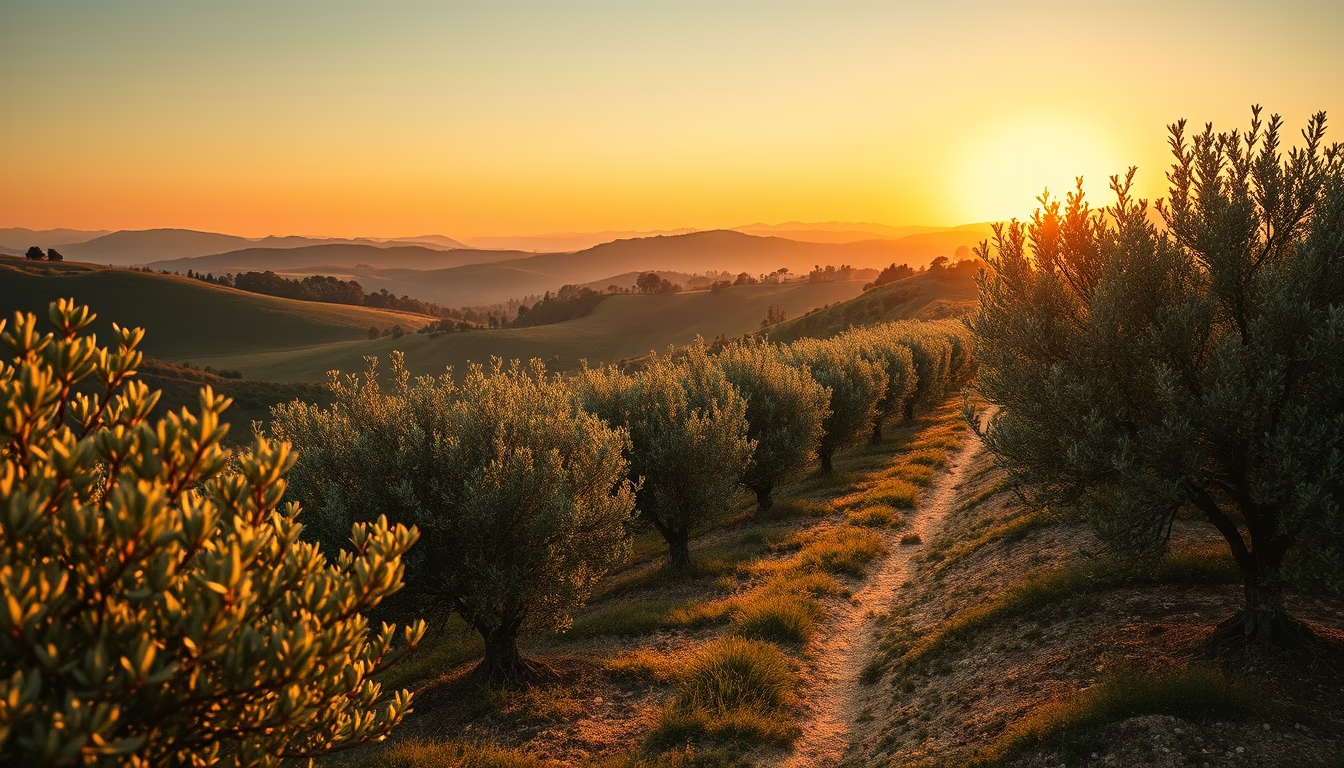
Olive grove on a Tuscan hillside, a region world-famous for its extra virgin olive oil and centuries-old terraced landscapes.
About this subject
Tuscany, in central Italy, is one of the most iconic regions for olive cultivation. The gentle slopes and calcareous soil, combined with a Mediterranean climate of dry summers and mild winters, create ideal conditions for producing high-quality olives. The most common varieties include Frantoio, Leccino, Moraiolo, and Pendolino, each contributing distinct sensory characteristics to the oil.
Tuscan olive groves often occupy hillsides ranging from 200 to 600 meters above sea level, frequently arranged in terraces to control erosion and facilitate manual or mechanical harvesting. The olive-growing tradition in Tuscany dates back to Etruscan times and was refined by the Romans, who spread cultivation and pressing techniques still in use today.
Extra virgin Tuscan olive oil is protected by designations of origin, such as Toscano PDO, which ensures rigorous production standards. The region produces about 20% of Italy's olive oil, with harvests varying according to weather conditions, typically occurring between October and November. Beyond gastronomic value, Tuscan olive groves are an essential part of the cultural landscape, attracting tourists and serving as classic photographic subjects.
Curiosity: a Tuscan olive tree can live for over a thousand years, and some century-old trees remain productive. Dry farming is predominant, as olive trees adapt well to water scarcity, though supplementary irrigation is used in modern plantations to stabilize yields.
Frequently Asked Questions
What is the best time to visit Tuscan olive groves?
The best time is during the harvest, from October to November. You can see the harvesting process and taste the new oil. Spring is also nice when the olive trees are in bloom.
What makes Tuscan olive oil different from other Italian oils?
Tuscan extra virgin olive oil PDO has a medium to intense fruity flavor with notes of artichoke, grass, and green almond. It is less pungent than oils from southern Italy and has a maximum acidity of 0.5%, guaranteed by the denomination.
How do olive trees survive on steep hillsides without intensive irrigation?
Olive trees have deep roots and are drought-resistant. Terraces help retain rainwater and prevent erosion. Proper pruning also reduces water loss through leaves.
Direct URL
https://pub-c7d6a6ea828543ac903a74a341ccb2e1.r2.dev/imagens/olive-grove-tuscany-hillside-cinematic-wide-shot-p0.avifHow to credit
Include a visible link back to UtilizAí. Copy one of the snippets below:
<a href="https://xn--utiliza-eza.com/en/midia/imagens/olive-grove-tuscany-hillside-cinematic-wide-shot-p0">Olive grove tuscany hillside</a> by <a href="https://xn--utiliza-eza.com">UtilizAí</a>, licensed under <a href="https://creativecommons.org/licenses/by/4.0/">CC BY 4.0</a>.
[Olive grove tuscany hillside](https://xn--utiliza-eza.com/en/midia/imagens/olive-grove-tuscany-hillside-cinematic-wide-shot-p0) by [UtilizAí](https://xn--utiliza-eza.com), CC BY 4.0
License: CC-BY-4.0