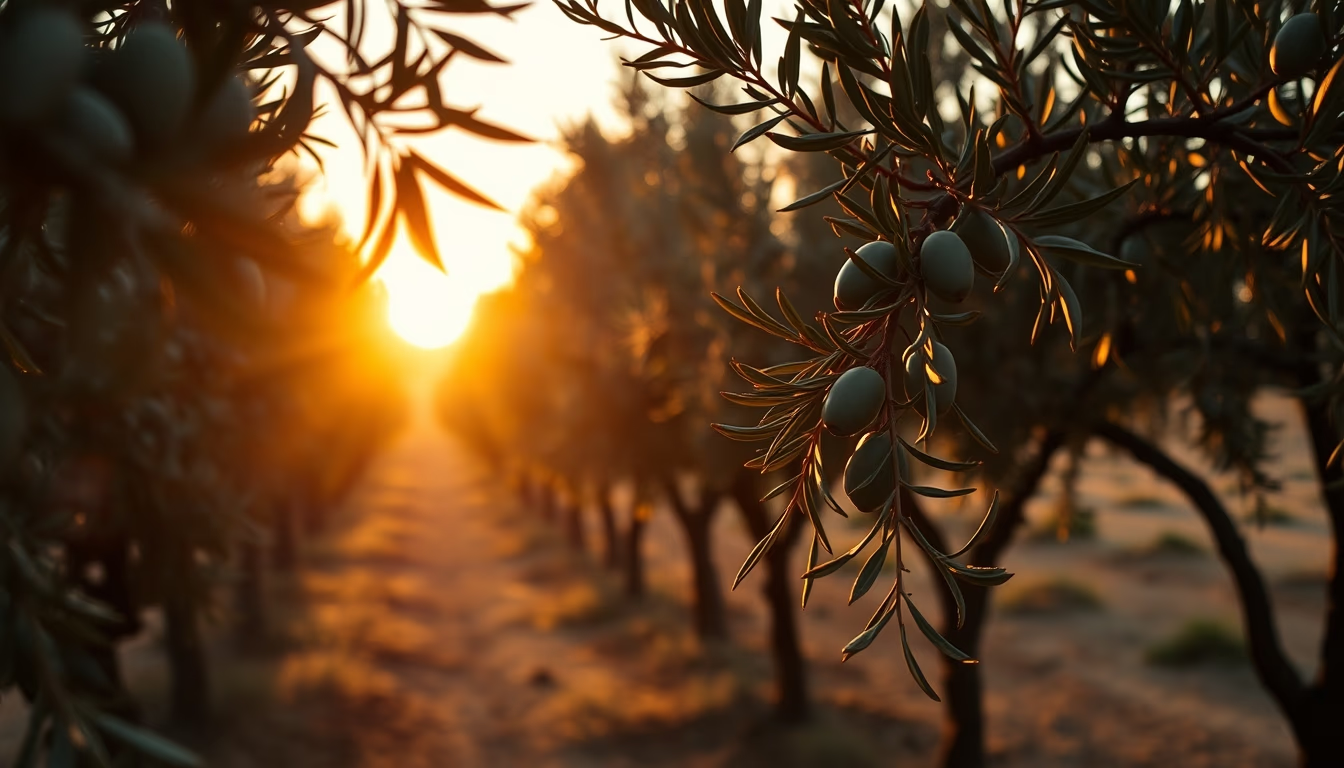
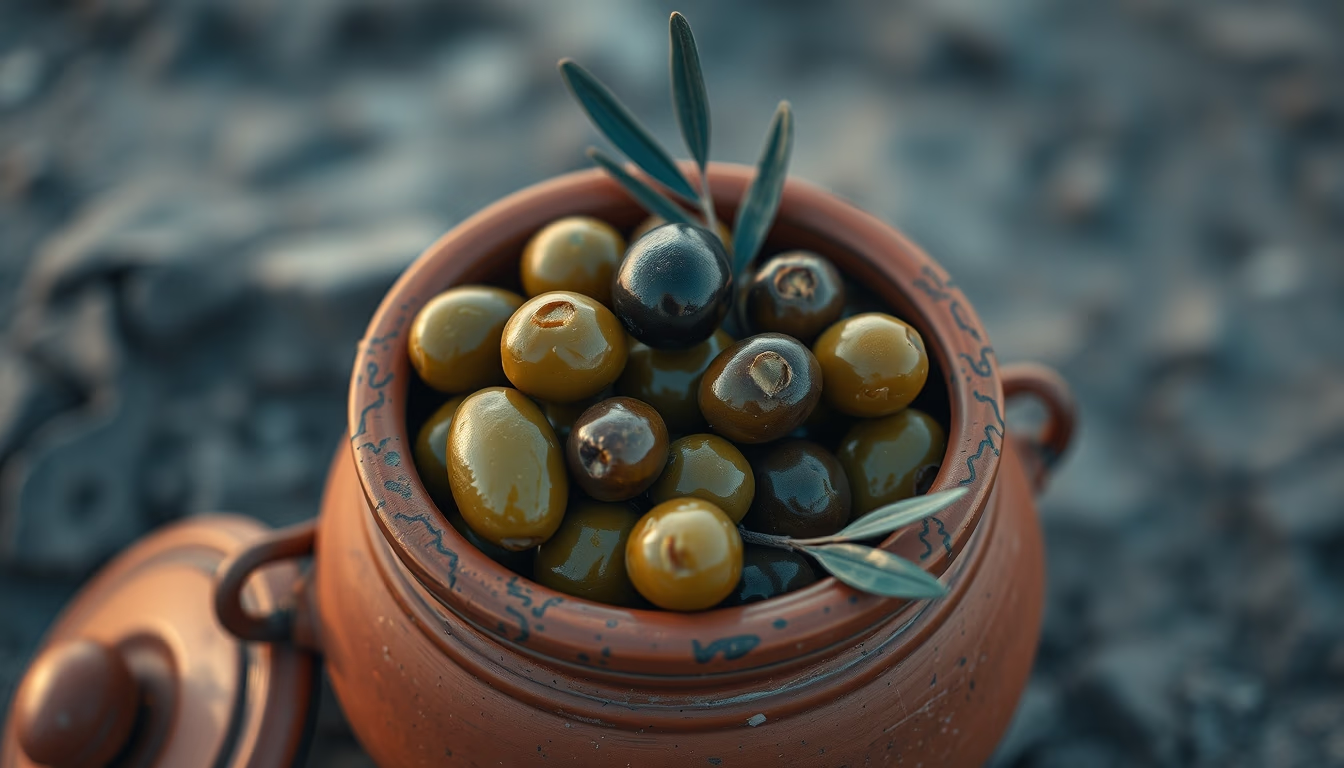
Olive branches with green olives
1344×768 · AVIF · CC BY 4.0
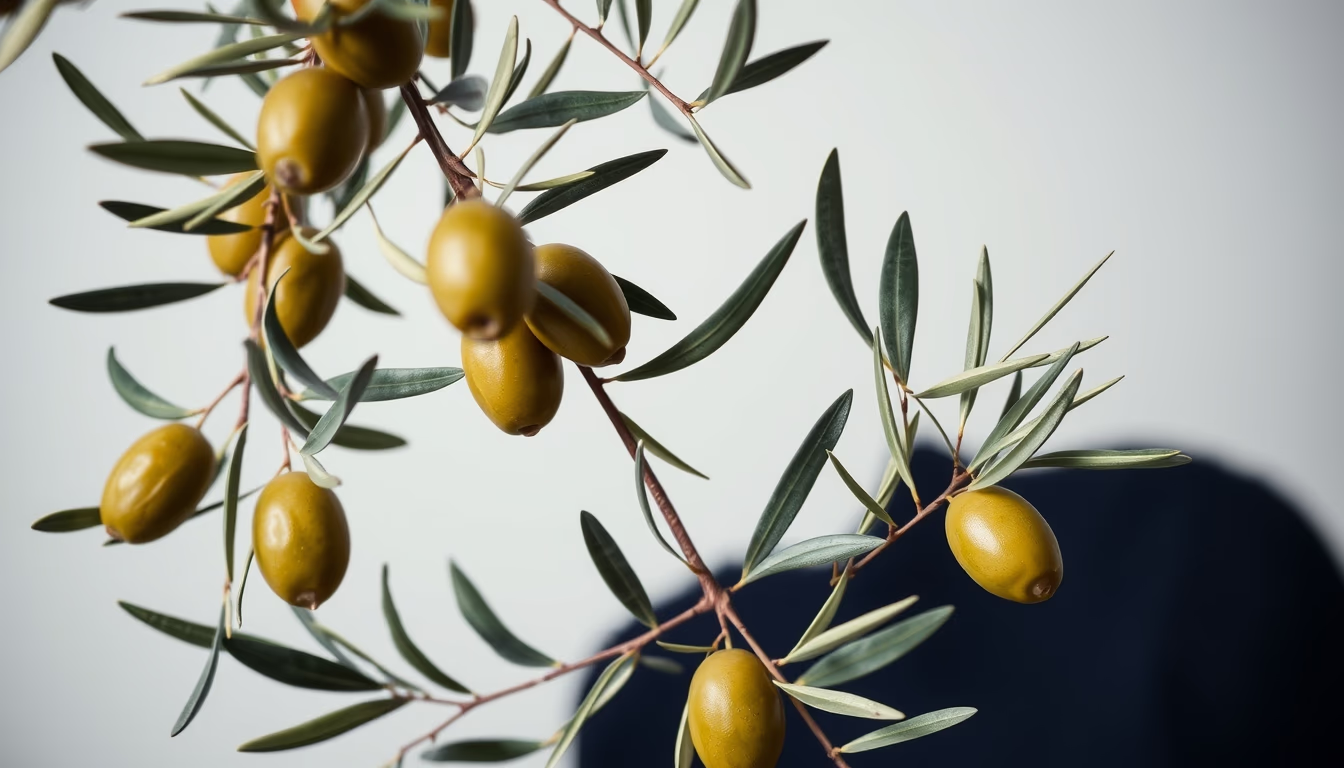
Olive branches with green olives symbolize peace and tradition, essential in Mediterranean cuisine and cultivated for millennia.
About this subject
The olive tree (Olea europaea) is a millennia-old tree native to the Mediterranean region, cultivated for over 6,000 years for olives and olive oil. Green olives are harvested before full ripening, when they still have a green color and firm texture. This early stage gives them a bitter and pungent flavor, contrasting with ripe black olives.
The curing process is essential to make green olives edible. Traditional methods include soaking in water, brine, or lye solution, followed by washing and fermentation. Green olives are widely used as appetizers, in salads, pizzas, and typical dishes like tapenade. Major producers include Spain, Italy, and Greece, with the Manzanilla variety being one of the most popular for table olives.
Beyond culinary use, the olive branch carries strong cultural symbolism. In Greek mythology, the olive tree was a gift from Athena to the city of Athens, representing wisdom and prosperity. The olive branch is internationally recognized as a symbol of peace, present on the UN flag and in various cultures. In the Bible, a dove with an olive branch announces the end of the flood.
The olive tree is a hardy tree that adapts to poor soils and dry climates, capable of living for centuries. Some specimens in the Mediterranean region are over 2,000 years old. In Brazil, although olive production is small, consumption of olive oil and olives is significant, with imports from Portugal and Argentina. Interestingly, most commercial green olives are from the 'Hojiblanca' or 'Gordal' varieties.
Frequently Asked Questions
How are green olives cured?
Green olives undergo a curing process to remove natural bitterness. Common methods include soaking in water, brine, or lye solution, followed by washing and fermentation for weeks or months.
What is the difference between green and black olives?
The main difference is the ripening stage. Green olives are harvested before ripening, resulting in firmer texture and more bitter flavor. Black olives are harvested ripe, with softer flesh and milder taste.
Why is the olive branch a symbol of peace?
The symbolism dates back to Greek mythology and the Bible. In ancient Greece, the olive branch represented victory and peace. In the biblical flood story, a dove returns with an olive branch, signaling the end of the catastrophe. Today it is used in diplomatic contexts.
Direct URL
https://pub-c7d6a6ea828543ac903a74a341ccb2e1.r2.dev/imagens/olive-branches-with-green-olives-studio-editorial-portrait-p0.avifHow to credit
Include a visible link back to UtilizAí. Copy one of the snippets below:
<a href="https://xn--utiliza-eza.com/en/midia/imagens/olive-branches-with-green-olives-studio-editorial-portrait-p0">Olive branches with green olives</a> by <a href="https://xn--utiliza-eza.com">UtilizAí</a>, licensed under <a href="https://creativecommons.org/licenses/by/4.0/">CC BY 4.0</a>.
[Olive branches with green olives](https://xn--utiliza-eza.com/en/midia/imagens/olive-branches-with-green-olives-studio-editorial-portrait-p0) by [UtilizAí](https://xn--utiliza-eza.com), CC BY 4.0
License: CC-BY-4.0