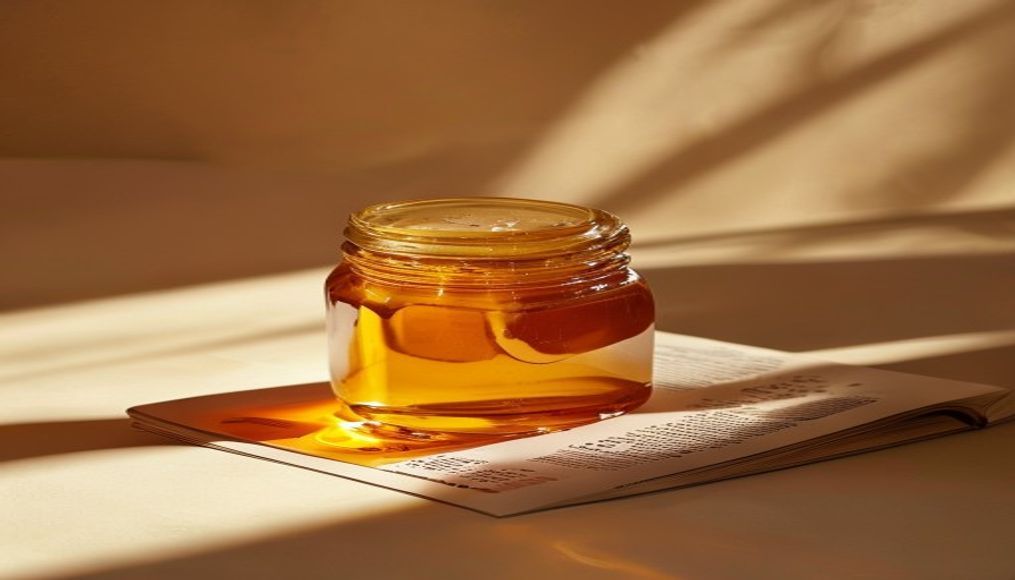
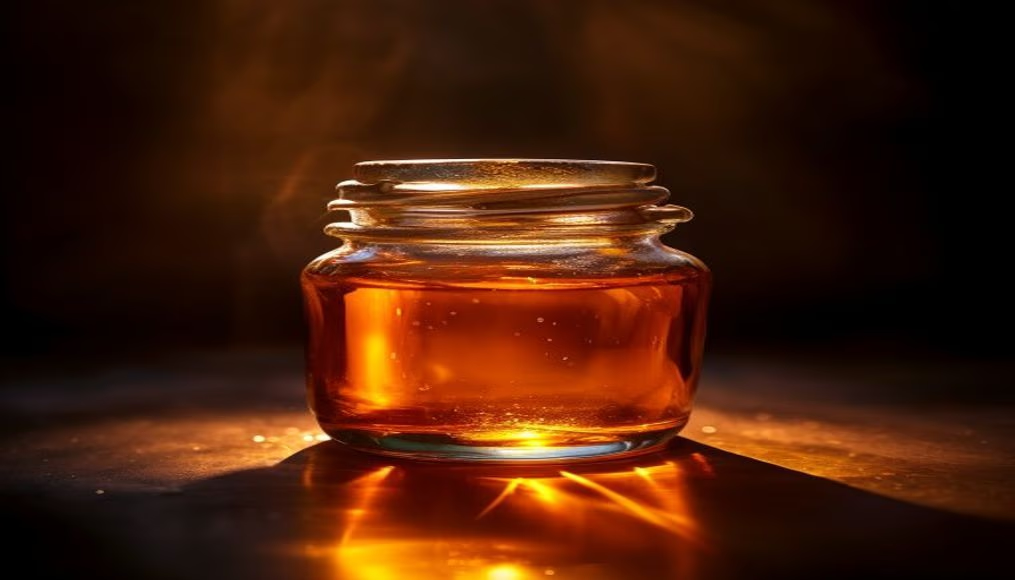
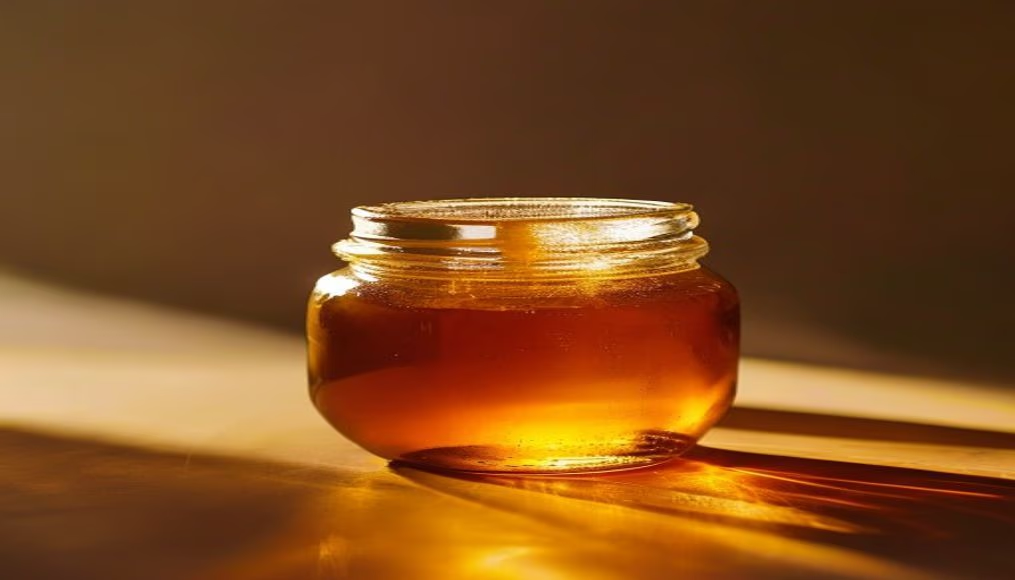
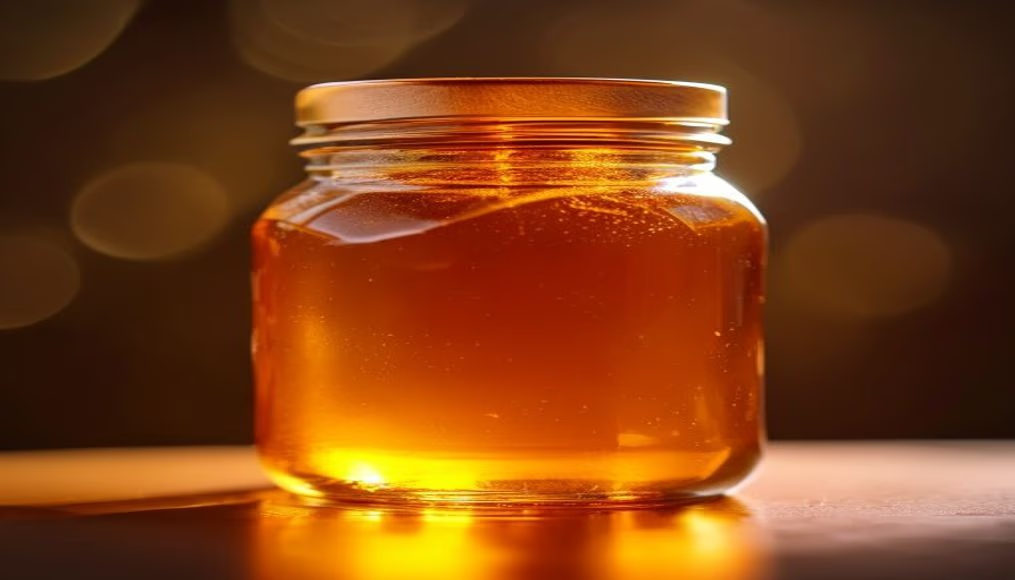
Obsidian black volcanic
1344×768 · AVIF · CC BY 4.0
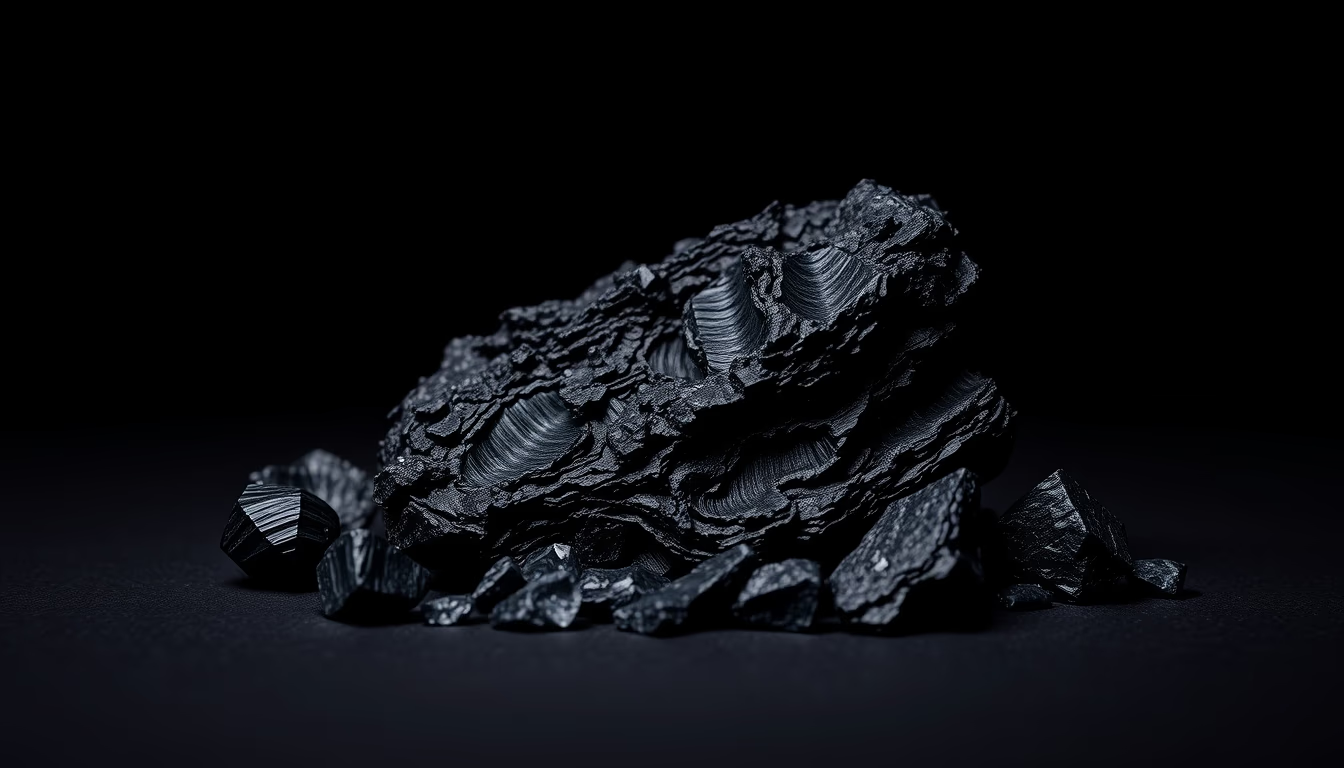
Obsidian is a natural volcanic glass formed by rapid cooling of lava, known for its black color and conchoidal fracture.
About this subject
Obsidian is an extrusive igneous rock classified as an amorphous volcanic glass. It forms when silica-rich (acidic) lava cools rapidly, preventing mineral crystallization. This process commonly occurs in lava flows or volcanic domes. The most common color of obsidian is deep black, but it can also appear green, brown, red, or banded, depending on impurities and inclusions. Black obsidian often contains small inclusions of magnetite or other iron oxides.
In Brazil, significant obsidian deposits are found in Paraná, Santa Catarina, and Rio Grande do Sul, associated with the volcanism of the Paraná Basin (Serra Geral Formation). Brazilian obsidian is known for its high quality and purity. Besides Brazil, major deposits exist in Mexico, Iceland, the United States (Yellowstone), Armenia, and Japan.
Historically, obsidian was widely used by pre-Columbian cultures to make sharp cutting tools, arrowheads, and knives, due to its ability to form extremely sharp blades. In Brazil, indigenous peoples also used it for tools and ritual objects. Today, it is valued as an ornamental gemstone in jewelry, and for spiritual or therapeutic purposes in lithotherapy.
Obsidian has a hardness of 5-5.5 on the Mohs scale and conchoidal fracture (producing curved, smooth surfaces). Being a glass, it is brittle and can chip easily. Its chemical composition is rich in SiO2 (70-75%) and low in water (less than 1%). Obsidian should not be confused with pumice or volcanic scoria, which are vesicular; obsidian is dense and vitreous.
Frequently Asked Questions
What is black obsidian?
Black obsidian is a natural volcanic glass formed by the rapid cooling of silica-rich lava. Its color is due to impurities such as magnetite.
Where can obsidian be found in Brazil?
In Brazil, obsidian is found mainly in the states of Paraná, Santa Catarina, and Rio Grande do Sul, in volcanic areas of the Serra Geral Formation.
What is obsidian used for?
Historically used for cutting tools and weapons. Today it is used in jewelry, decorative objects, and in lithotherapy as a protective and balancing stone.
Direct URL
https://pub-c7d6a6ea828543ac903a74a341ccb2e1.r2.dev/imagens/obsidian-black-volcanic-studio-still-life-p5.avifHow to credit
Include a visible link back to UtilizAí. Copy one of the snippets below:
<a href="https://xn--utiliza-eza.com/en/midia/imagens/obsidian-black-volcanic-studio-still-life-p5">Obsidian black volcanic</a> by <a href="https://xn--utiliza-eza.com">UtilizAí</a>, licensed under <a href="https://creativecommons.org/licenses/by/4.0/">CC BY 4.0</a>.
[Obsidian black volcanic](https://xn--utiliza-eza.com/en/midia/imagens/obsidian-black-volcanic-studio-still-life-p5) by [UtilizAí](https://xn--utiliza-eza.com), CC BY 4.0
License: CC-BY-4.0