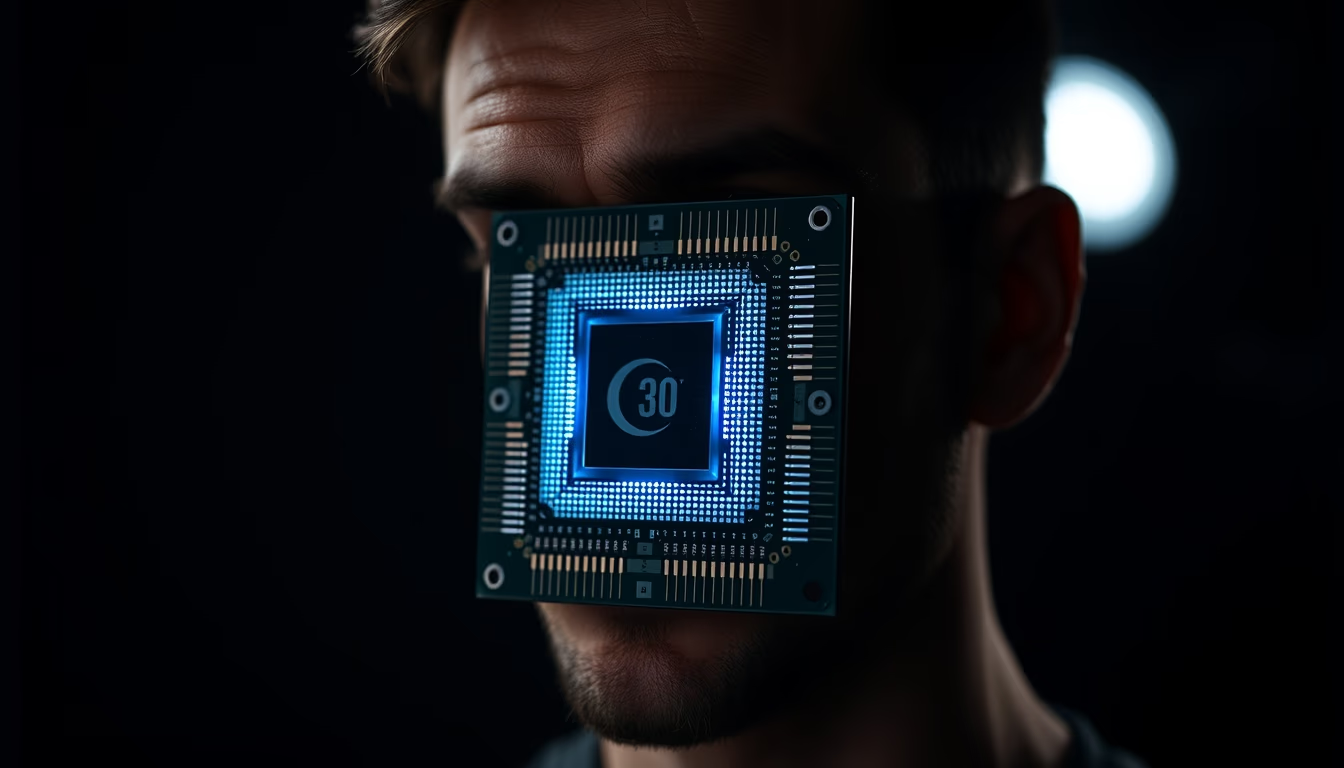
Nuclear reactor core glow
1344×768 · AVIF · CC BY 4.0
The blue glow of a nuclear reactor core inspires a fashion collection blending science and avant-garde aesthetics.
About this subject
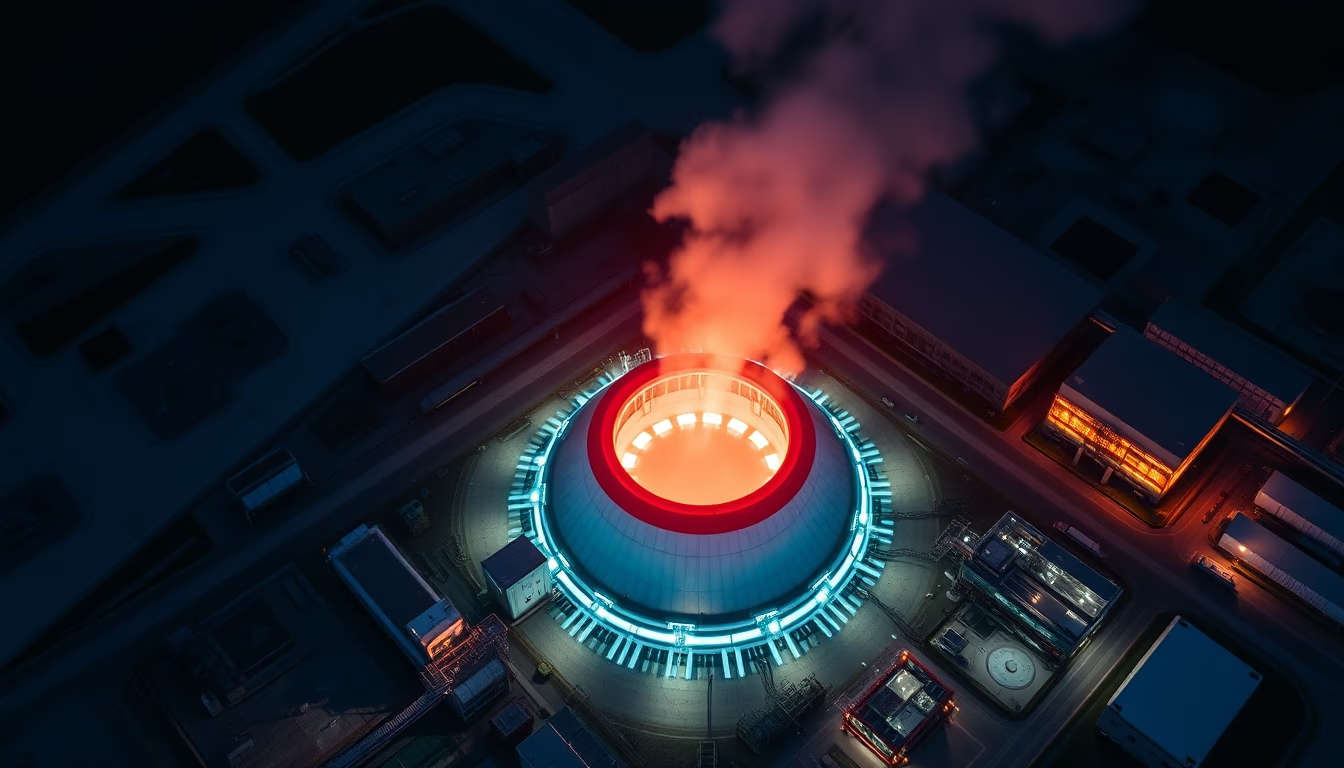
The characteristic glow of a nuclear reactor core, known as Cherenkov radiation, occurs when charged particles move faster than light through water. This ethereal blue hue, often seen in photographs of reactor pools, has become a visual icon of nuclear energy and has inspired fashion creators to explore the intersection of technology and beauty. High fashion, always seeking unusual references, found in this luminescence a palette and concepts for collections that challenge conventions.
In recent runway shows, designers incorporated phosphorescent fabrics, embedded LEDs, and silhouettes that evoke a reactor's structure. The pieces not only replicate the blue glow but also question humanity's relationship with atomic energy, a recurring theme in contemporary art. Brands like Iris van Herpen and Paco Rabanne have used light-reactive materials and geometric cuts that recall fuel rods or electrical circuits, creating a futuristic aesthetic that dialogues with science history.
Fashion has also appropriated nuclear symbolism to discuss sustainability and innovation. Although nuclear energy is controversial, its potential as a clean electricity source attracts designers who seek to blend aesthetics with environmental responsibility. Cherenkov glow, in particular, has become a metaphor for the invisible energy that powers the world, sparking curiosity and fascination. This trend reflects a visual culture that celebrates the power of science without abandoning glamour.
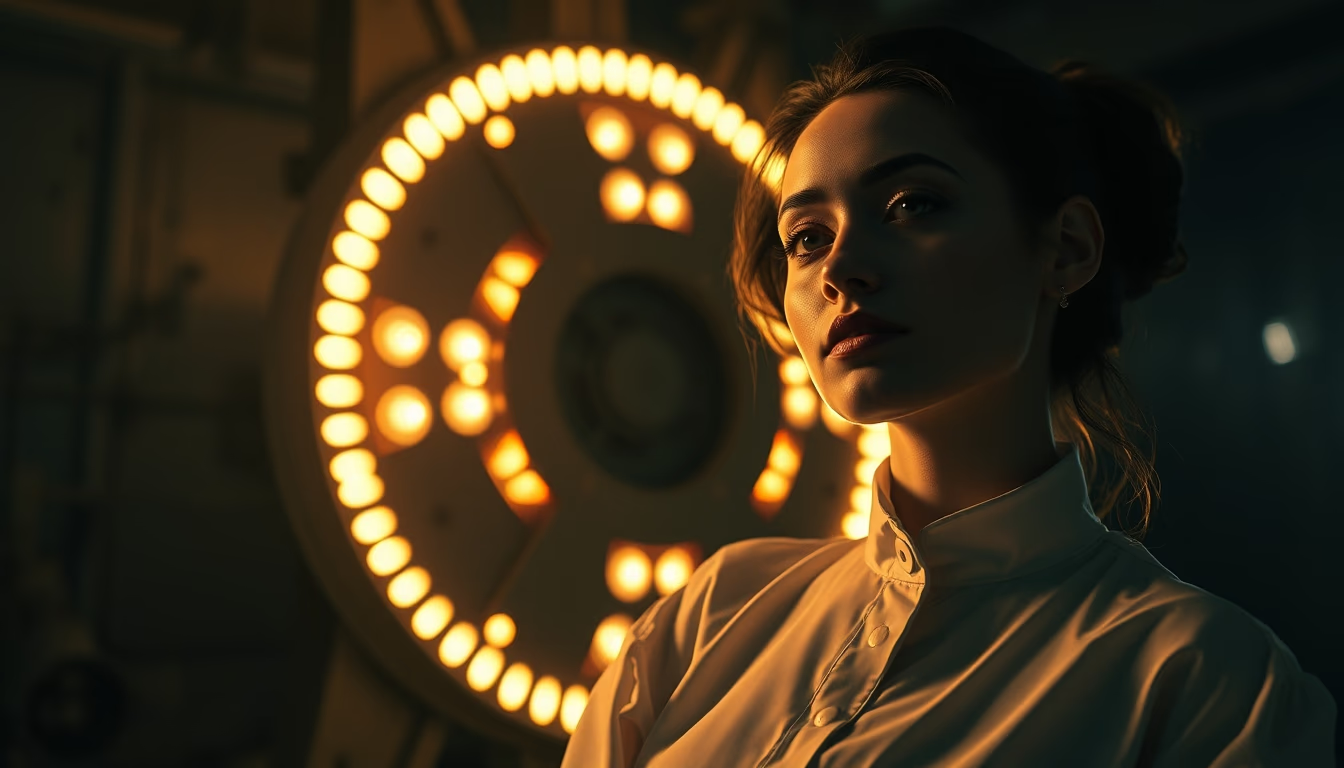
Beyond runways, the theme appears in editorial spreads in magazines like Vogue, which photographed models surrounded by blue lights and nuclear artifacts. These images, while stylized, educate the public about scientific phenomena accessibly. The reactor core glow, once confined to laboratories, now inhabits the fashion imagination, proving that science can be an endless source of artistic inspiration.
Frequently Asked Questions
What is Cherenkov radiation and why is it blue?
Cherenkov radiation occurs when charged particles travel faster than light through a medium like water. The light is predominantly blue because that wavelength is the most intense in the visible spectrum, similar to a sonic boom for light.
How does high fashion incorporate nuclear themes?
Designers use optical fiber fabrics, sewn-in LEDs, and prints that mimic Cherenkov glow. They also create silhouettes resembling reactor structures like fuel rods and pressure vessels, often collaborating with scientists for visual accuracy.
Is this aesthetic safe for models and the public?
Yes, materials used in shows and editorials are safe, such as low-voltage LEDs and non-toxic phosphorescent paints. The inspiration is purely visual; there is no exposure to ionizing radiation. Safety is prioritized like any fashion production.
Direct URL
https://pub-c7d6a6ea828543ac903a74a341ccb2e1.r2.dev/imagens/nuclear-reactor-core-glow-high-fashion-editorial-p0.avifHow to credit
Include a visible link back to UtilizAí. Copy one of the snippets below:
<a href="https://xn--utiliza-eza.com/en/midia/imagens/nuclear-reactor-core-glow-high-fashion-editorial-p0">Nuclear reactor core glow</a> by <a href="https://xn--utiliza-eza.com">UtilizAí</a>, licensed under <a href="https://creativecommons.org/licenses/by/4.0/">CC BY 4.0</a>.
[Nuclear reactor core glow](https://xn--utiliza-eza.com/en/midia/imagens/nuclear-reactor-core-glow-high-fashion-editorial-p0) by [UtilizAí](https://xn--utiliza-eza.com), CC BY 4.0
License: CC-BY-4.0