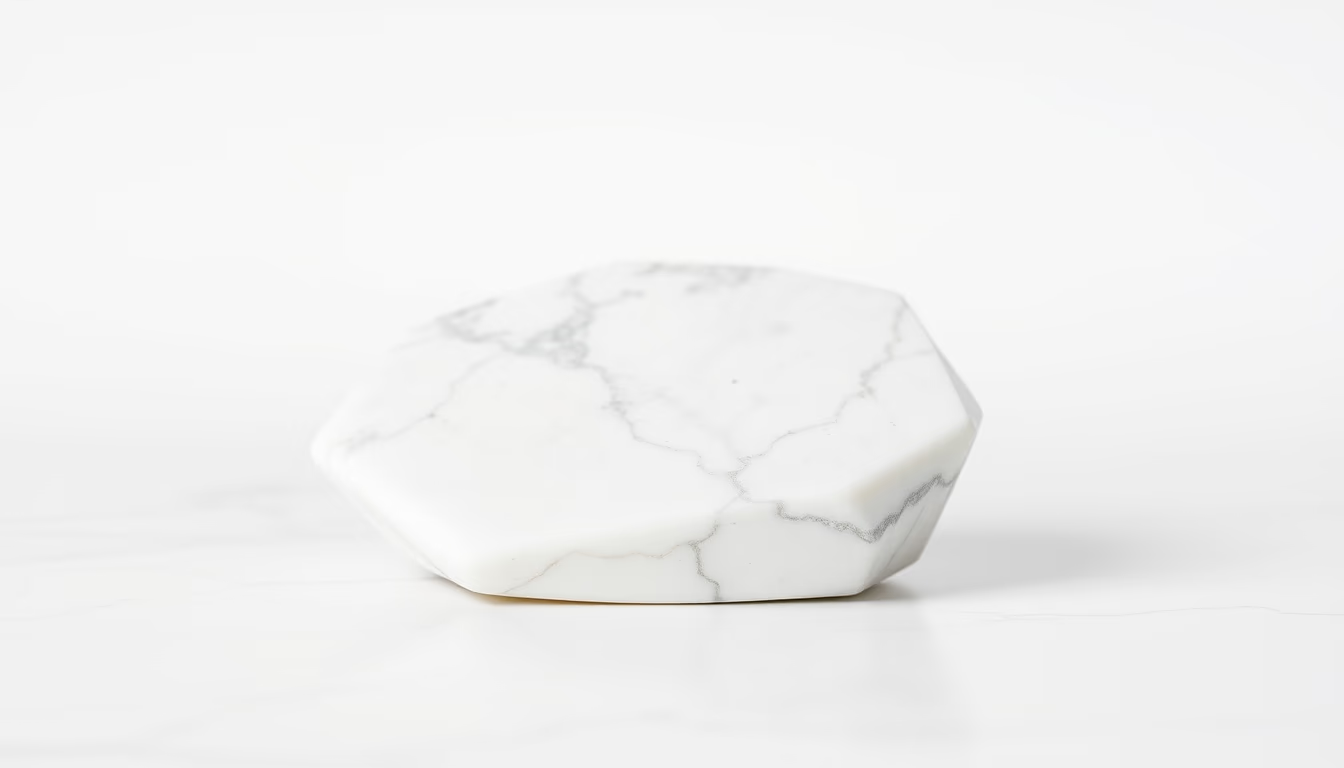
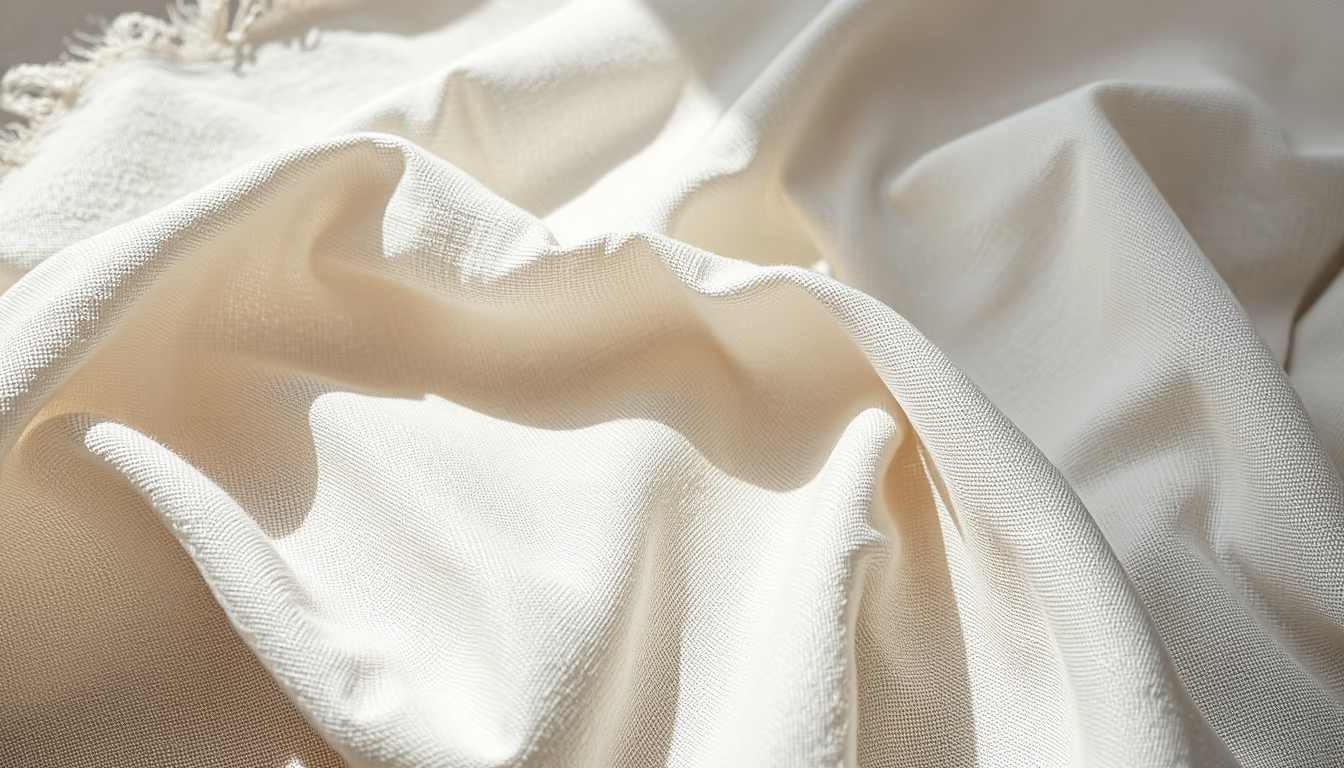
Noise grain abstract
1344×768 · AVIF · CC BY 4.0

Abstract noise grain blends visual texture and randomness, evoking classic photographic grain and digitally generated noise used as artistic expression.
About this subject
Abstract noise grain is a visual effect that mimics the granular texture of photographic film or the electronic noise from digital sensors. In analog photography, grain results from silver halide crystals in the film emulsion; faster films (ISO 800 or higher) produce coarser grains, while slower films (ISO 100) yield finer textures. In digital imaging, noise arises primarily from sensor heating during long exposures or high ISO settings, appearing as randomly scattered colored or monochrome pixels.
In contemporary visual aesthetics, noise grain is often used artistically to evoke nostalgia, authenticity, or a documentary feel. Publications like National Geographic, renowned for impactful photojournalism, sometimes employ grainy images to convey raw realism, especially in low-light or extreme conditions. The grain adds a tactile texture, bringing viewers closer to the photographer's experience.
Beyond photography, noise grain appears in graphic design, motion graphics, and generative art. Digital artists create abstract textures by manipulating noise algorithms such as Perlin noise or Value noise to produce organic, non-repeating patterns. These monochrome or color compositions recall vintage film, television static, or natural surfaces like sand or stone.
A technical curiosity: digital noise grain can be intentionally added in post-production via plugins or filters to give an antique or cinematic look. However, professional photographers often prefer natural film grain, as its distribution is more organic and less artificial than simulated digital noise. The choice between grain and noise depends on the desired effect and the capture medium.
Frequently Asked Questions
What is noise grain in images?
It is a random visual texture that appears in photographs, either as film grain from analog photography or digital noise from sensors, characterized by small dots or variations in color and brightness.
How is noise grain used artistically?
Artists and photographers use noise grain to create nostalgic atmosphere, documentary realism, or abstract textures, either by shooting with high-ISO film or adding it digitally in post-production.
What is the difference between film grain and digital noise?
Film grain consists of silver halide crystals in the emulsion, with organic distribution; digital noise arises from electronic fluctuations in the sensor, often appearing more artificial and colored at high ISOs.
Direct URL
https://pub-c7d6a6ea828543ac903a74a341ccb2e1.r2.dev/imagens/noise-grain-abstract-national-geographic-style-p3.avifHow to credit
Include a visible link back to UtilizAí. Copy one of the snippets below:
<a href="https://xn--utiliza-eza.com/en/midia/imagens/noise-grain-abstract-national-geographic-style-p3">Noise grain abstract</a> by <a href="https://xn--utiliza-eza.com">UtilizAí</a>, licensed under <a href="https://creativecommons.org/licenses/by/4.0/">CC BY 4.0</a>.
[Noise grain abstract](https://xn--utiliza-eza.com/en/midia/imagens/noise-grain-abstract-national-geographic-style-p3) by [UtilizAí](https://xn--utiliza-eza.com), CC BY 4.0
License: CC-BY-4.0