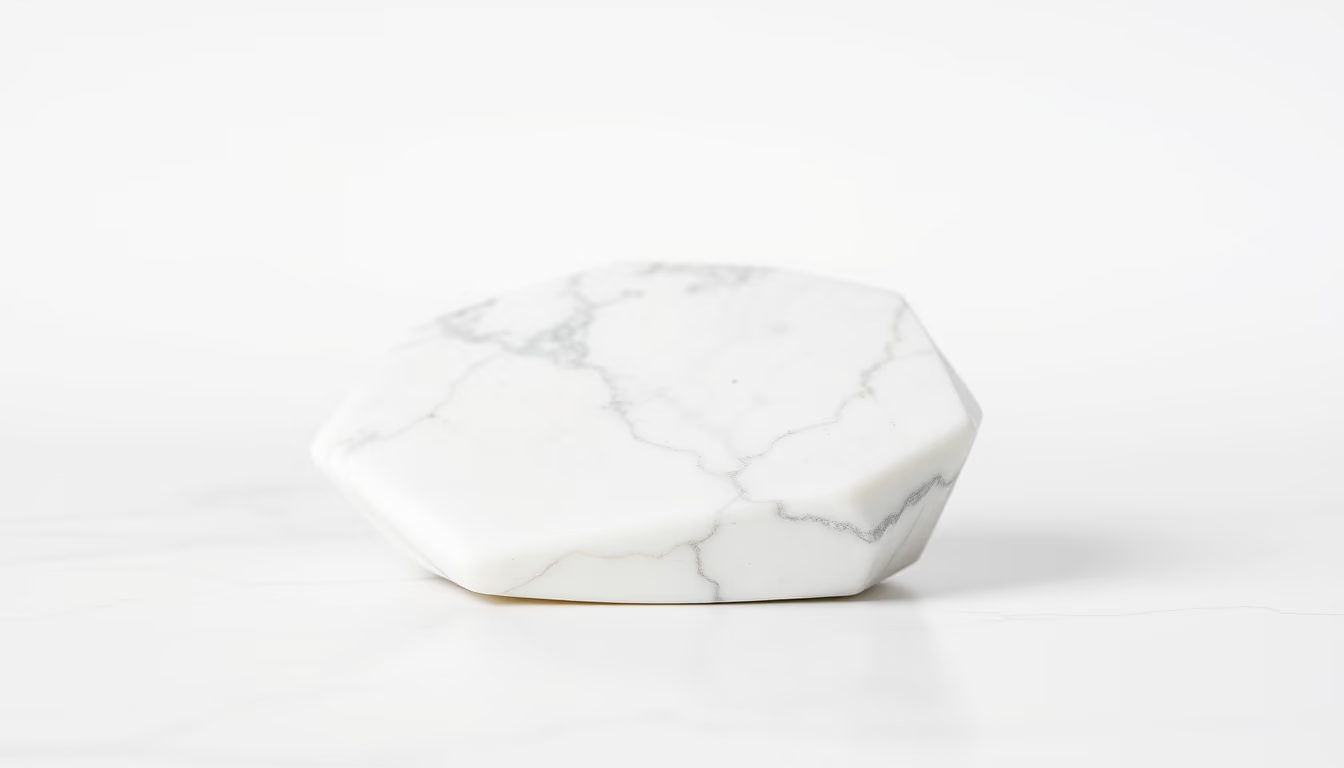
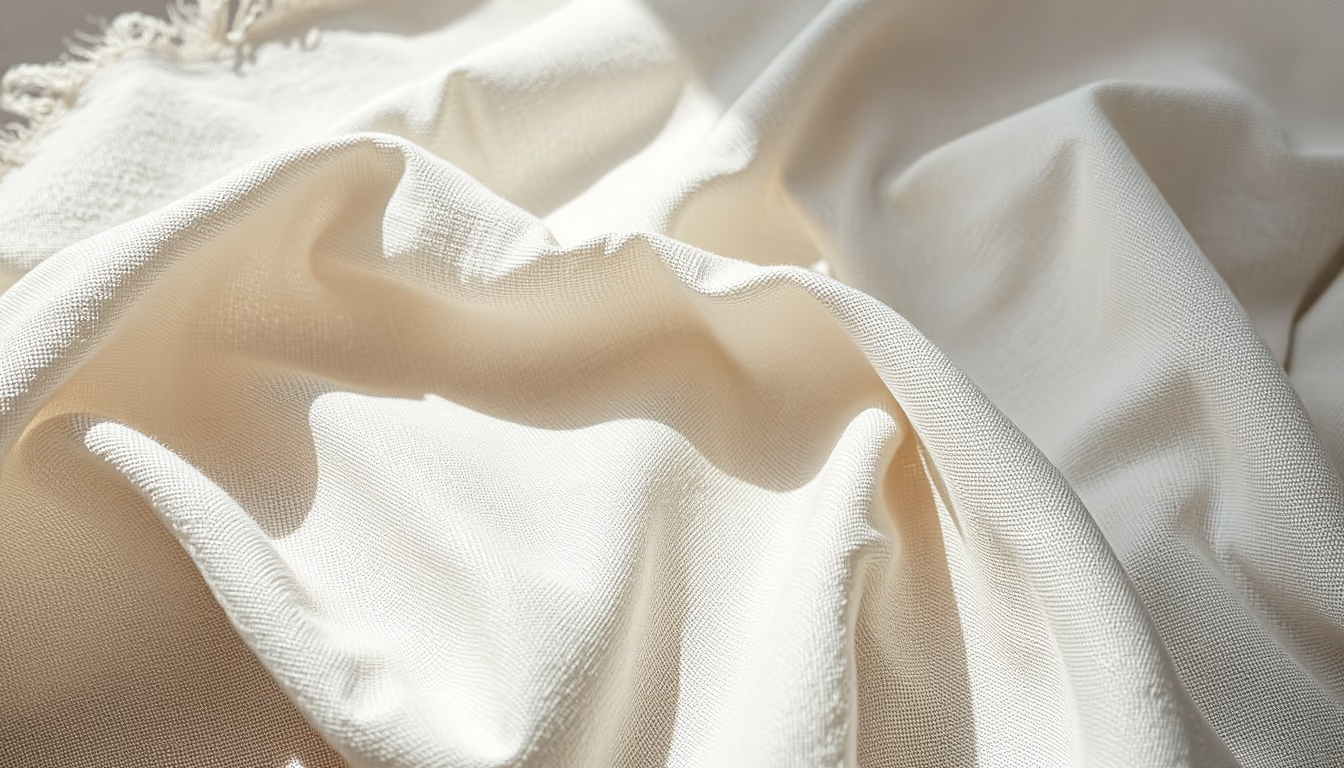
Noise grain abstract
1344×768 · AVIF · CC BY 4.0

Noise grain is a visual effect that evokes the texture of analog film, widely used in contemporary editorial design to convey authenticity and vintage aesthetics.
About this subject
Noise grain, also known as film grain, is an inherent characteristic of analog photography, resulting from the film's sensitivity to light. In editorial design, especially in fashion, art, and culture magazines, grain is often added digitally to create a nostalgic and textured atmosphere. This technique became a global trend from 2024 onward, gaining momentum in 2026 as a way to humanize overly sharp digital images.
Applying noise grain in editorial layouts goes beyond photographs: it can be overlaid on typography, backgrounds, and graphic elements, providing visual unity. Magazines like "Kinfolk" and "Fantastic Man" popularized the subtle use of grain to evoke a sense of tactility and authenticity. Additionally, grain is associated with the lo-fi aesthetic, which opposes the hyper-realism of contemporary digital media.
Technically, noise grain can be generated by film scanners, editing software such as Adobe Photoshop or Lightroom, or specialized programs that emulate film stocks. The intensity, size, and color of the grain are adjustable, allowing effects ranging from barely perceptible to highly pronounced. In 2026, noise grain is seen not only as an aesthetic resource but also as a narrative tool that alludes to imperfection and time.
Culturally, grain evokes memories of the pre-digital era, when each photo had a unique and unpredictable texture. This nostalgia is leveraged by brands and publications seeking to stand out in a market saturated with clean, processed images. Noise grain also resonates with artistic movements like neo-analog, which values the physical process of photography even in digital mediums.
Frequently Asked Questions
What is noise grain in graphic design?
Noise grain is a visual effect that simulates the grain of analog photographic film, adding texture and imperfection to digital images, typography, or backgrounds.
How do you apply a grain effect in editorial projects?
Grain can be applied by overlaying a noise texture, adjusting opacity and blend mode in editing software. Common methods include using grain presets or scanning real film.
Which tools can create digital noise grain?
Adobe Photoshop and Lightroom have noise filters. Plugins like Alien Skin Exposure and free software like GIMP also allow generating and adjusting grain.
Direct URL
https://pub-c7d6a6ea828543ac903a74a341ccb2e1.r2.dev/imagens/noise-grain-abstract-magazine-editorial-p0.avifHow to credit
Include a visible link back to UtilizAí. Copy one of the snippets below:
<a href="https://xn--utiliza-eza.com/en/midia/imagens/noise-grain-abstract-magazine-editorial-p0">Noise grain abstract</a> by <a href="https://xn--utiliza-eza.com">UtilizAí</a>, licensed under <a href="https://creativecommons.org/licenses/by/4.0/">CC BY 4.0</a>.
[Noise grain abstract](https://xn--utiliza-eza.com/en/midia/imagens/noise-grain-abstract-magazine-editorial-p0) by [UtilizAí](https://xn--utiliza-eza.com), CC BY 4.0
License: CC-BY-4.0