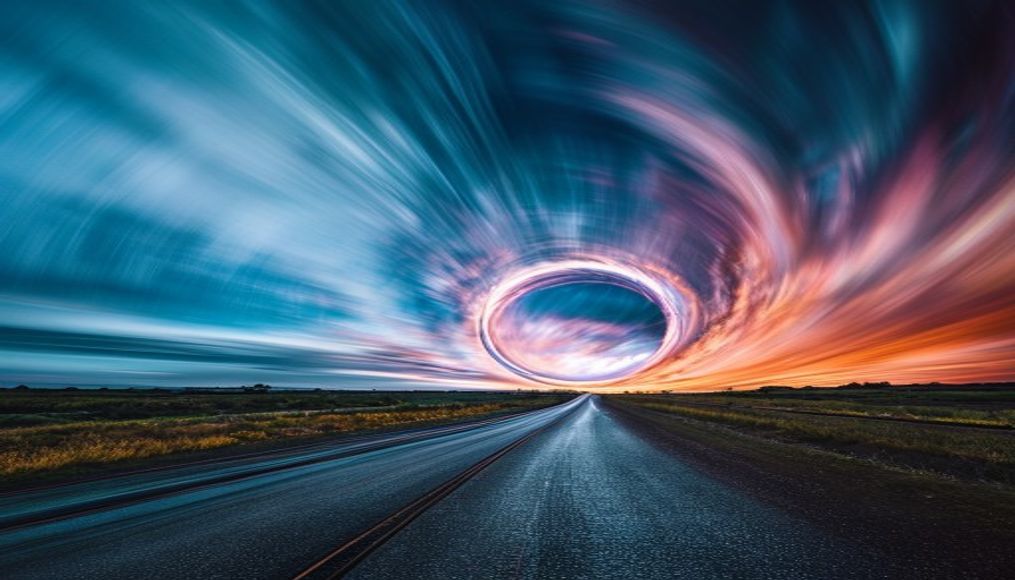
Neptune deep blue storms
1344×768 · AVIF · CC BY 4.0
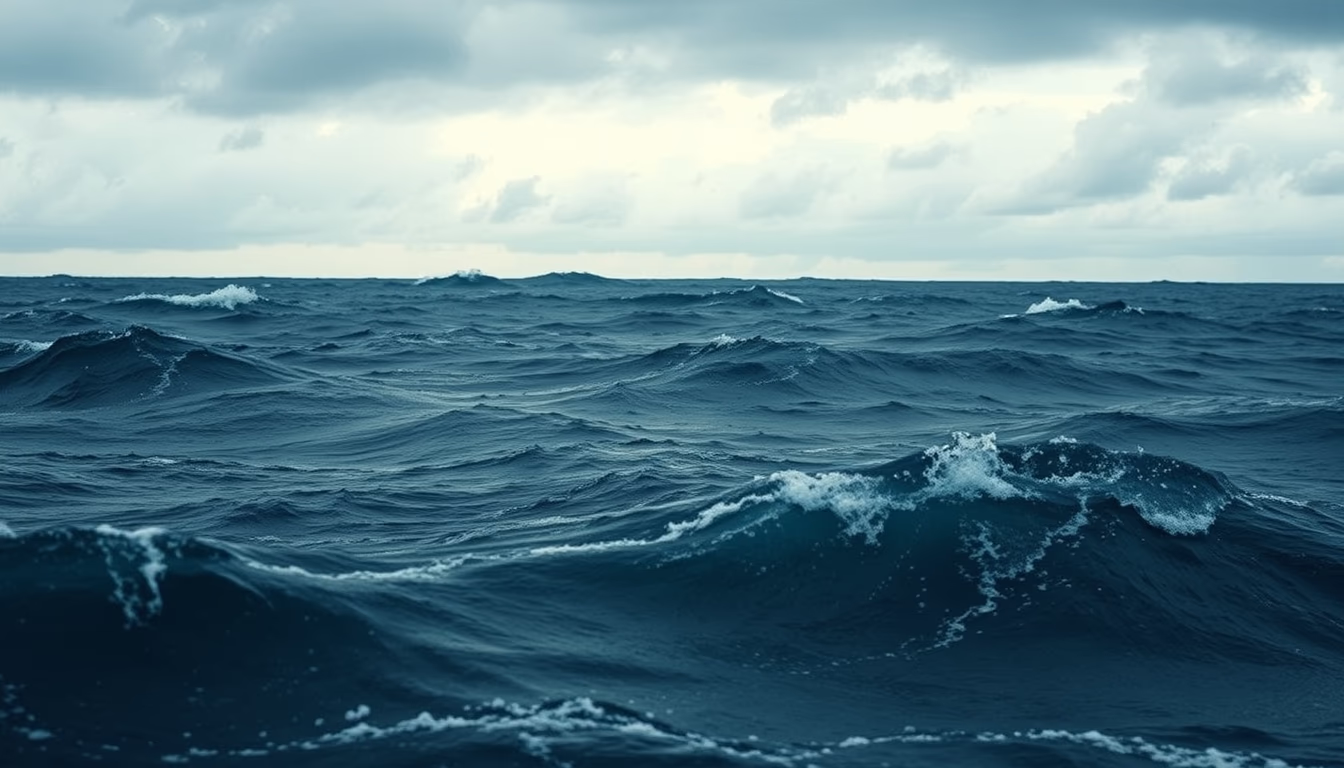
Discover Neptune's deep blue storms, intense atmospheric phenomena that reveal the dynamics of the most distant planet in the Solar System.
About this subject
Neptune, the eighth planet from the Sun, is known for its intense blue coloration and for hosting some of the most violent storms ever observed on a gas giant. The deep blue color results from the absorption of red light by methane in its atmosphere, which also contributes to cloud and storm formation. Neptune's storms, such as the Great Dark Spot discovered by the Voyager 2 probe in 1989, are high-pressure systems that generate winds reaching 2,100 km/h, the fastest in the Solar System.
Unlike Jupiter's storms, which persist for centuries, Neptune's are ephemeral and change rapidly. The Hubble Space Telescope has documented several storms since the 1990s, including a series of dark spots that appear and disappear on timescales of years. In 2018, Hubble observed a new dark storm in Neptune's northern hemisphere, accompanied by bright methane ice clouds. These storms move slowly in latitude but are swept along by extreme zonal winds.
Neptune's atmosphere is composed mainly of hydrogen and helium, with traces of methane, water, and ammonia. The storms are believed to be powered by the planet's internal heat, which radiates more energy than it receives from the Sun. The highest clouds, made of methane ice crystals, contrast with deeper layers where pressure is higher. Recent studies suggest that storms may be linked to seasonal variations, as Neptune takes 165 Earth years to complete one orbit.
Frequently Asked Questions
What causes Neptune's deep blue color?
Neptune's deep blue color is caused by the absorption of red light by methane in its atmosphere. Methane reflects blue light, giving the planet its characteristic hue.
How fast are the winds in Neptune's storms?
The winds on Neptune are the fastest in the Solar System, reaching speeds of up to 2,100 km/h. They are driven by the planet's rotation and internal heat.
How were Neptune's storms discovered?
The first major storm, the Great Dark Spot, was discovered by the Voyager 2 probe in 1989. Since then, the Hubble Space Telescope has monitored storms that appear and disappear over the years.
Direct URL
https://pub-c7d6a6ea828543ac903a74a341ccb2e1.r2.dev/imagens/neptune-deep-blue-storms-film-grain-authentic-p12.avifHow to credit
Include a visible link back to UtilizAí. Copy one of the snippets below:
<a href="https://xn--utiliza-eza.com/en/midia/imagens/neptune-deep-blue-storms-film-grain-authentic-p12">Neptune deep blue storms</a> by <a href="https://xn--utiliza-eza.com">UtilizAí</a>, licensed under <a href="https://creativecommons.org/licenses/by/4.0/">CC BY 4.0</a>.
[Neptune deep blue storms](https://xn--utiliza-eza.com/en/midia/imagens/neptune-deep-blue-storms-film-grain-authentic-p12) by [UtilizAí](https://xn--utiliza-eza.com), CC BY 4.0
License: CC-BY-4.0