Nail polish bottles row
1344×768 · AVIF · CC BY 4.0
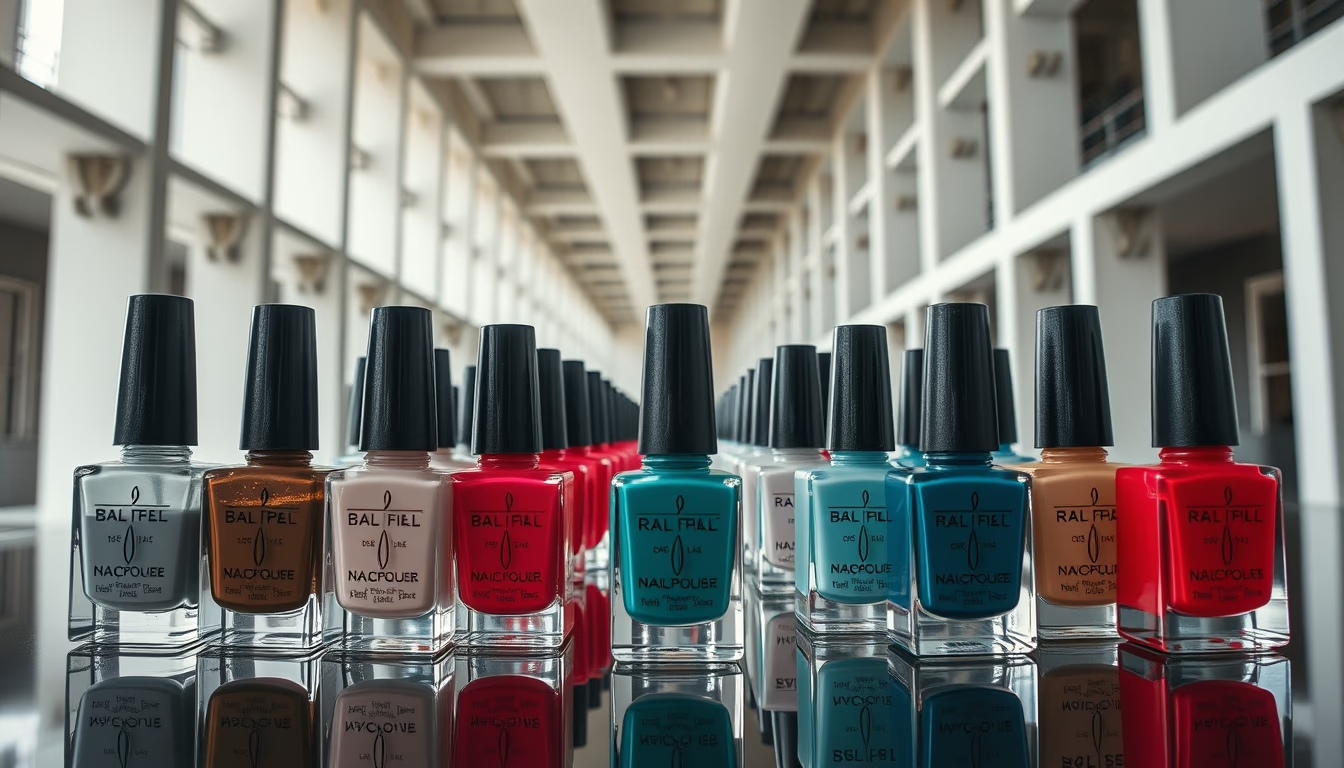
Rows of nail polish bottles showcase the chromatic diversity and functional design that make this item a modern beauty icon.
About this subject
Nail polish bottles are far more than containers: their design has evolved alongside the cosmetic industry to balance aesthetics and practicality. From the first screw-cap glass bottles in the 1920s to today's sleek aerodynamic shapes, every detail influences the user experience. The transparency of the glass, the width of the brush, and the shape of the cap are designed to facilitate application and preserve the formula, which typically contains volatile solvents.
Arranging these bottles in rows is not just visually striking: it mirrors store and salon shelves, where color and finish are the primary attractions. The nail polish industry invests heavily in creative naming and packaging to highlight each launch. Classic red, minimalist nude, or futuristic metallic tones come to life in small bottles that become objects of desire.
By 2026, the trend points toward nail polishes with more sustainable ingredients and recyclable packaging, responding to the demand for conscious beauty. The row of bottles also symbolizes personal curation: many collectors organize their nail polishes by color or brand, turning the arrangement into a self-care ritual. This habit, boosted by social media platforms like Instagram and TikTok, has made the presentation of bottles as important as the color itself.
Architectural photography highlighting these rows emphasizes repetition and variation, creating a hypnotic visual pattern. Whether in a store display or a enthusiast's cabinet, the row of nail polish bottles tells a story of color, technology, and pop culture.
Frequently Asked Questions
How did the first modern nail polishes come about?
The first modern nail polishes emerged in the 1920s, inspired by automobile paint. Cutex launched the first liquid nail polish in 1925, in pastel shades.
Why are nail polish bottles usually made of clear glass?
Clear glass allows the actual color of the product to be seen and does not chemically react with the solvents in the formula, ensuring the polish's stability.
What is the trend for nail polishes in 2026?
The trend for 2026 includes polishes with 'clean' formulas (free of toluene, formaldehyde, and phthalates) and packaging made from recycled glass or biodegradable materials.
Direct URL
https://pub-c7d6a6ea828543ac903a74a341ccb2e1.r2.dev/imagens/nail-polish-bottles-row-architectural-photography-p5.avifHow to credit
Include a visible link back to UtilizAí. Copy one of the snippets below:
<a href="https://xn--utiliza-eza.com/en/midia/imagens/nail-polish-bottles-row-architectural-photography-p5">Nail polish bottles row</a> by <a href="https://xn--utiliza-eza.com">UtilizAí</a>, licensed under <a href="https://creativecommons.org/licenses/by/4.0/">CC BY 4.0</a>.
[Nail polish bottles row](https://xn--utiliza-eza.com/en/midia/imagens/nail-polish-bottles-row-architectural-photography-p5) by [UtilizAí](https://xn--utiliza-eza.com), CC BY 4.0
License: CC-BY-4.0