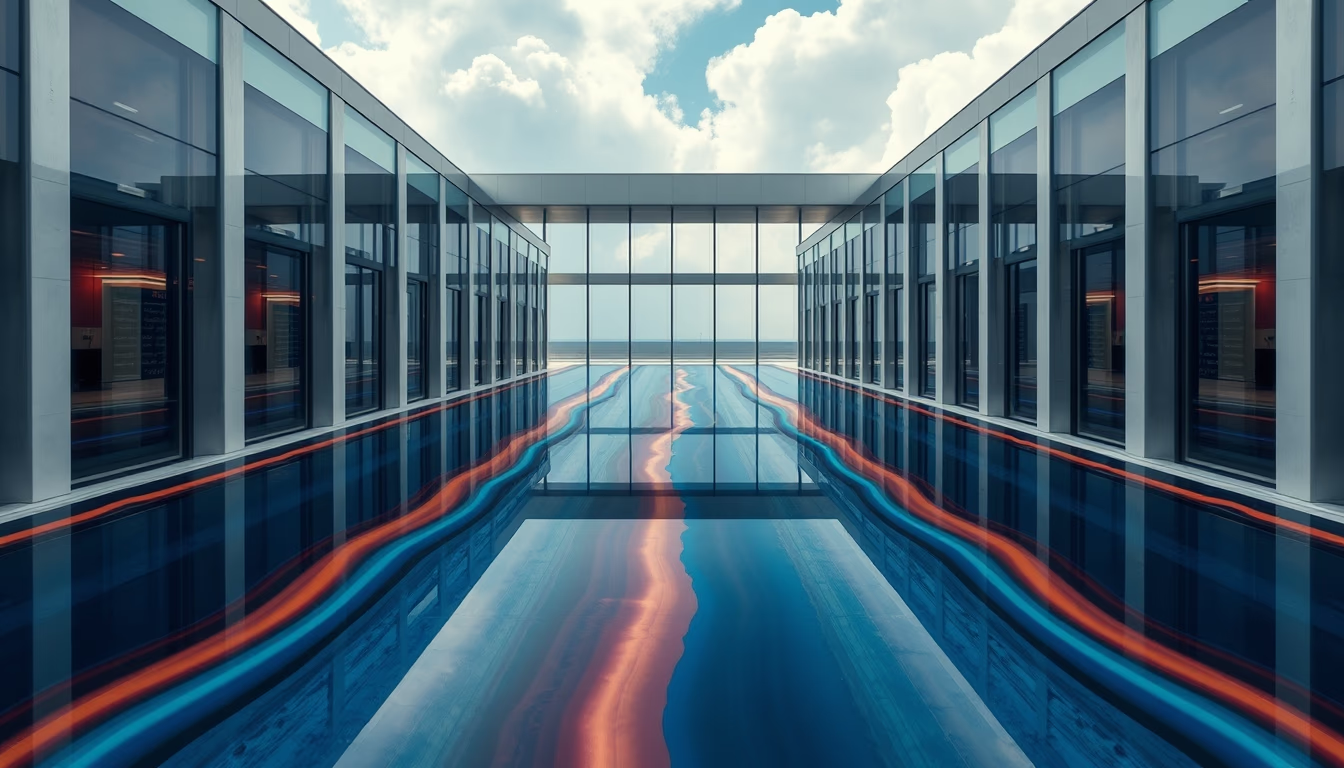
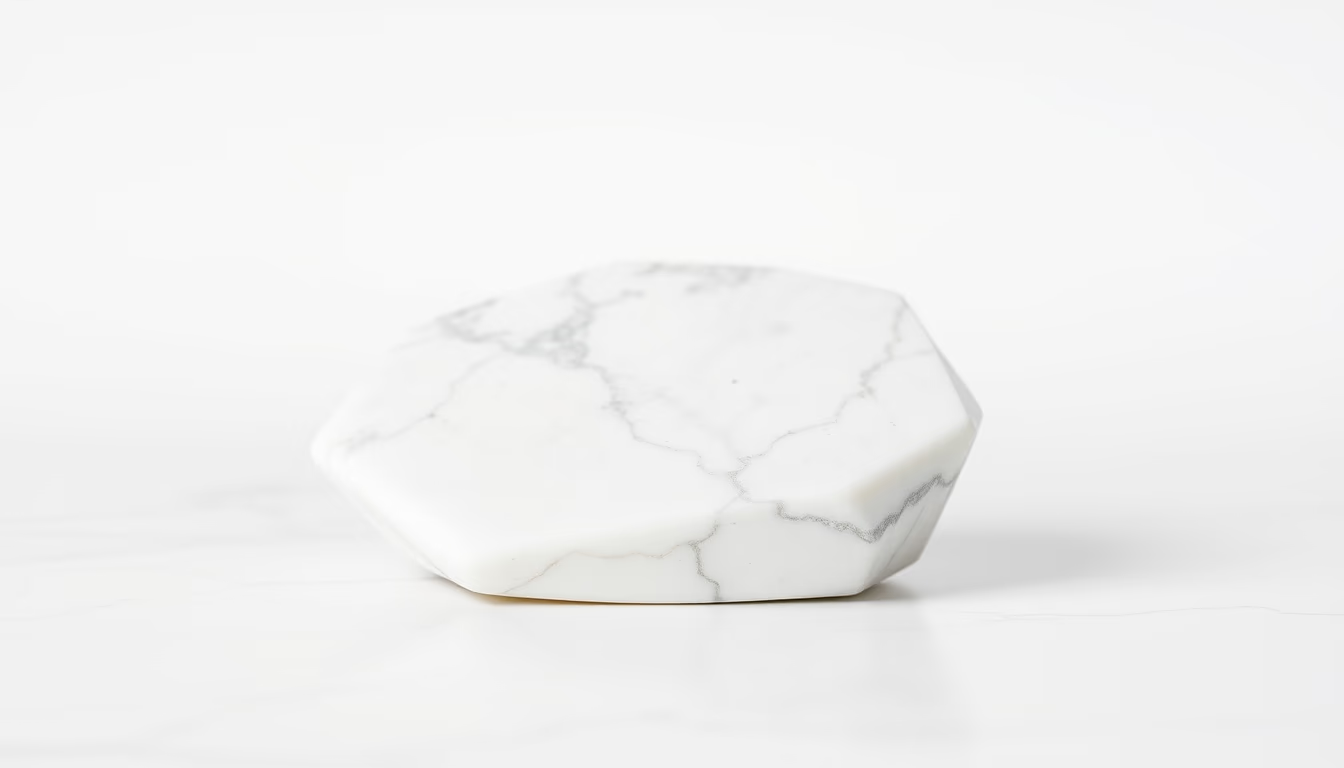
Minimalist white space
1344×768 · AVIF · CC BY 4.0
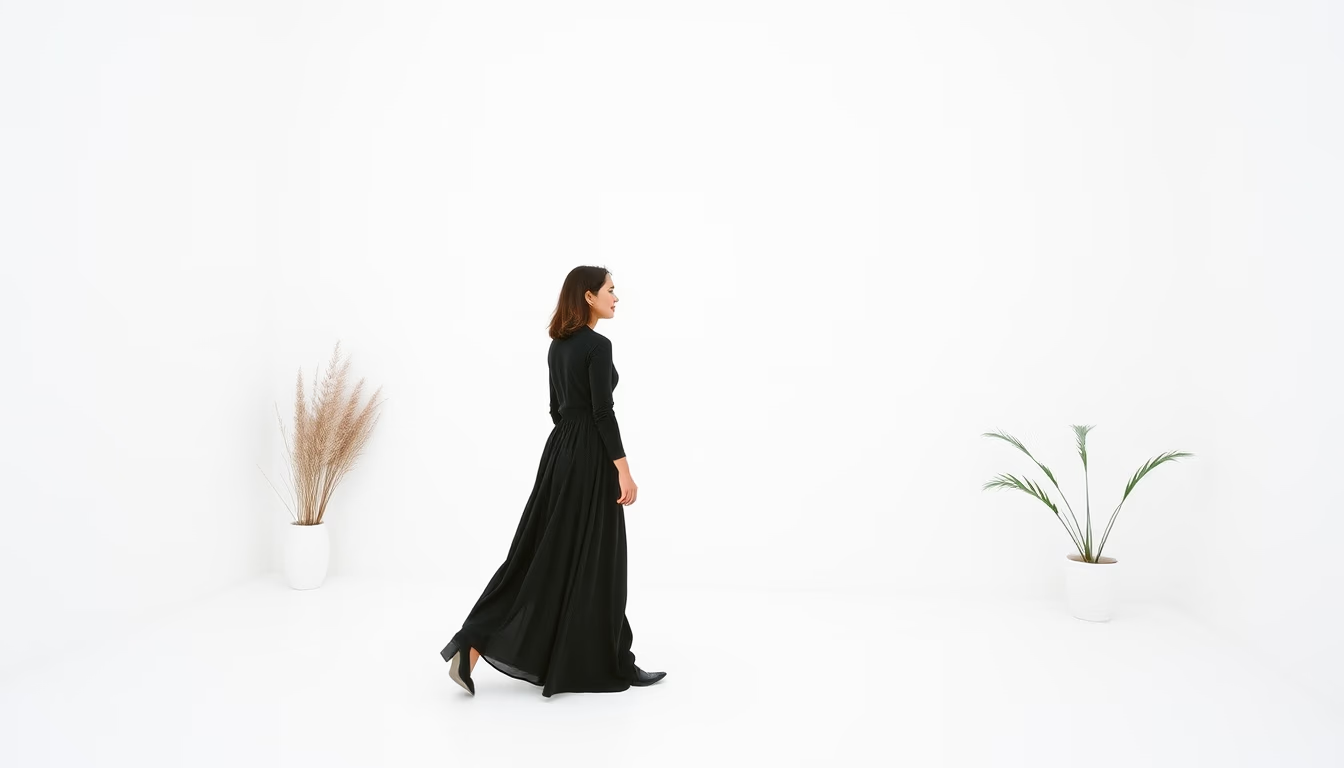
Minimalist white space in design emphasizes simplicity, strategic emptiness, and authenticity, evoking a film grain aesthetic that recalls analog media.
About this subject
The concept of white space, or negative space, is fundamental in visual design, especially in minimalist approaches. It refers to the empty areas in a composition that contain no visual or textual elements. In modern design practice, white space is not mere emptiness but an active element that guides the viewer's eye, improves readability, and conveys elegance and clarity. Its origins trace back to the modernist movement of the 20th century, with designers like Dieter Rams and the Bauhaus school advocating the reduction to essentials. In the digital context, white space is crucial for user experience, reducing cognitive load and highlighting important content.
The association with authentic film grain adds a layer of nostalgia and materiality to digital minimalism. Grain is a physical artifact of analog photography, resulting from the sensitivity of silver halide crystals in photographic films. When incorporated into minimalist abstract compositions, grain imparts texture and a tactile feel that contrasts with digital perfection. This aesthetic has gained momentum in contemporary design trends from 2024, 2026, as a reaction against the coldness of flat design and excessive interface cleanliness.
Authenticity, as indicated by the tag 'authentic', refers to the search for a genuine emotional connection with the audience. In design, this translates into the use of controlled imperfections, such as wear, color variations, and natural textures. Minimalism combined with film grain offers an aesthetic that appears less polished and more human, rescuing imperfection as an aesthetic value. This approach is common in branding for companies that want to convey transparency, artisanal origins, or a vintage appeal.
Interestingly, minimalist white space also has psychological applications. Studies show that compositions with ample negative space can reduce visual anxiety and increase information retention. In contrast, dense layouts can overwhelm the brain. The 'film grain authentic' style merges these benefits with a warm aesthetic, creating a balance between the rational and the emotional in design.
Frequently Asked Questions
What is white space in design?
White space, or negative space, refers to the empty areas in a visual composition. It doesn't have to be literally white; it's any region without elements, crucial for layout balance and readability.
Why use film grain in minimalist designs?
Film grain adds texture and an analog feel to digital design, contrasting with artificial perfection. It evokes nostalgia and authenticity, traits valued in recent trends like 'film grain authentic'.
How does white space affect user experience?
It reduces cognitive load, guides the eye to important elements, and conveys a sense of organization and luxury. Studies show that layouts with more negative space improve information comprehension and retention.
Direct URL
https://pub-c7d6a6ea828543ac903a74a341ccb2e1.r2.dev/imagens/minimalist-white-space-film-grain-authentic-p0.avifHow to credit
Include a visible link back to UtilizAí. Copy one of the snippets below:
<a href="https://xn--utiliza-eza.com/en/midia/imagens/minimalist-white-space-film-grain-authentic-p0">Minimalist white space</a> by <a href="https://xn--utiliza-eza.com">UtilizAí</a>, licensed under <a href="https://creativecommons.org/licenses/by/4.0/">CC BY 4.0</a>.
[Minimalist white space](https://xn--utiliza-eza.com/en/midia/imagens/minimalist-white-space-film-grain-authentic-p0) by [UtilizAí](https://xn--utiliza-eza.com), CC BY 4.0
License: CC-BY-4.0