Memory foam pillow
1344×768 · AVIF · CC BY 4.0
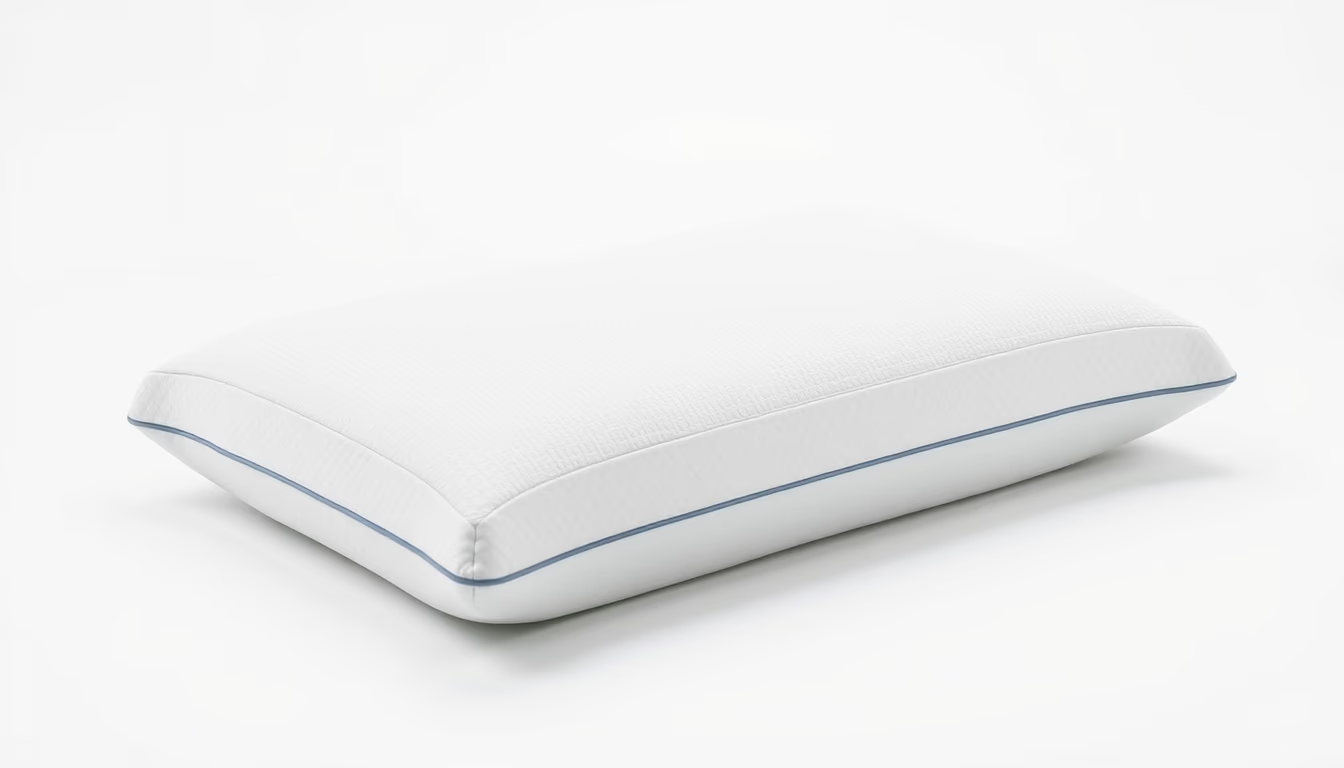
Memory foam pillow: a viscoelastic technology that contours to the body, relieves pressure points, and revolutionizes sleep comfort.
About this subject
Memory foam pillows, also known as viscoelastic pillows, originated from NASA's research in the 1960s to improve crash protection for astronauts. The material, originally called temper foam, was later adapted for medical and consumer use. Unlike conventional foam, memory foam responds to body heat, softening at contact points while remaining firm in cooler areas. This allows the pillow to contour precisely to the head and neck, distributing weight evenly and reducing pressure on blood vessels, which can alleviate neck pain and improve sleep quality.
The cell structure of viscoelastic foam is denser than standard polyurethane foam, offering better motion isolation and longevity. For side sleepers, a higher loft memory foam pillow keeps the spine aligned; back and stomach sleepers benefit from lower profiles. Density is a key factor: pillows with less than 40 kg/m³ may sag quickly. Premium models often incorporate cooling gel, open-cell structures, or ventilation channels to mitigate heat retention, a common complaint with traditional memory foam.
Memory foam pillows can emit volatile organic compounds (VOCs) initially, causing a temporary odor. Choosing a product certified by CertiPUR-US or OEKO-TEX ensures low emissions and safety. These pillows are generally not machine-washable; only removable covers can be cleaned. Spot cleaning and airing out are recommended. With proper care, a high-quality memory foam pillow lasts 2 to 4 years.
The popularity of memory foam pillows surged in the 2010s as sleep health awareness increased. Brands now offer varied densities (50, 80 kg/m³) and hybrid designs combining foam with shredded latex or fiber layers. In Brazil, national manufacturers produce affordable options tailored to local preferences for firmness. Despite higher upfront cost compared to polyester pillows, the ergonomic benefits make memory foam a worthwhile investment for many.
Frequently Asked Questions
How does memory foam differ from conventional polyurethane foam?
Memory foam is viscoelastic, meaning it softens with body heat and molds to the sleeper's shape, while regular foam provides uniform support without contouring. Memory foam is denser, more durable, and better at pressure relief.
Can memory foam pillows be washed?
Most memory foam pillows are not machine-washable. Only the removable cover can be washed. To clean the foam itself, spot clean with a mild detergent and a damp cloth, then air dry away from direct sunlight.
Do memory foam pillows sleep hot?
Traditional memory foam can retain heat. However, many modern pillows incorporate cooling gel, open-cell foam, or ventilation holes to enhance airflow and dissipate heat, making them more comfortable for hot sleepers.
Direct URL
https://pub-c7d6a6ea828543ac903a74a341ccb2e1.r2.dev/imagens/memory-foam-pillow-commercial-product-photography-fresh17.avifHow to credit
Include a visible link back to UtilizAí. Copy one of the snippets below:
<a href="https://xn--utiliza-eza.com/en/midia/imagens/memory-foam-pillow-commercial-product-photography-fresh17">Memory foam pillow</a> by <a href="https://xn--utiliza-eza.com">UtilizAí</a>, licensed under <a href="https://creativecommons.org/licenses/by/4.0/">CC BY 4.0</a>.
[Memory foam pillow](https://xn--utiliza-eza.com/en/midia/imagens/memory-foam-pillow-commercial-product-photography-fresh17) by [UtilizAí](https://xn--utiliza-eza.com), CC BY 4.0
License: CC-BY-4.0