Mars surface red dust
1344×768 · AVIF · CC BY 4.0
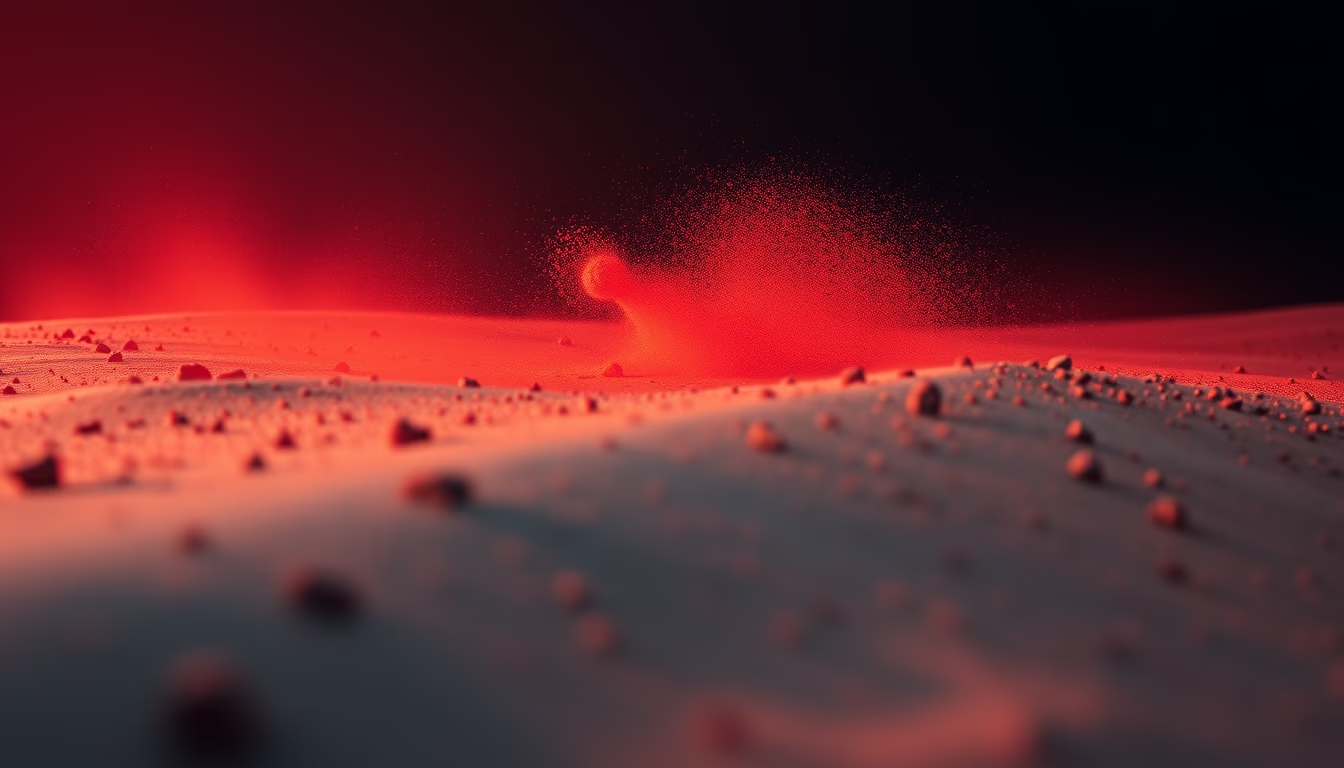
The surface of Mars is covered by a thin layer of red dust rich in iron oxide, giving the planet its characteristic color.
About this subject
The red dust covering Mars is primarily composed of iron oxide (Fe2O3), the same compound that forms rust on Earth. This dust originated from the slow oxidation of iron-bearing minerals in Martian basaltic rocks over billions of years, due to interactions with the thin carbon dioxide atmosphere and ultraviolet radiation. The particles average only a few micrometers in size, easily lifted by wind.
Dust storms on Mars are global phenomena that can enshroud the entire planet for weeks. They typically occur during the southern hemisphere summer, when Mars is closer to the Sun. Suspended dust alters atmospheric temperature and reduces sunlight reaching the surface, significantly influencing Martian climate. Fine dust also covers polar regions and ice caps, mixing with frozen carbon dioxide.
For robotic and future crewed missions, Martian dust poses challenges. It adheres to solar panels, reducing power generation as seen with the rovers Opportunity and Spirit, and can cause mechanical issues and health hazards if inhaled. However, studying dust provides clues about Mars' geological and climatic history, including past presence of liquid water. The dust also contains minerals like hematite and magnetite, indicating past environmental conditions.
Frequently Asked Questions
Why is Mars red?
Mars appears red due to iron oxide (rust) dust covering its surface. The iron oxide reflects the sun's red light, giving the planet its characteristic hue.
Is Martian dust dangerous for astronauts?
Yes, the dust is fine and abrasive, potentially causing respiratory issues and damaging equipment. It also contains perchlorates, which are toxic to humans.
What is the composition of Martian dust?
The dust is primarily composed of iron oxide, along with minerals such as olivine, pyroxene, plagioclase, magnetite, and hematite. Composition varies regionally.
Direct URL
https://pub-c7d6a6ea828543ac903a74a341ccb2e1.r2.dev/imagens/mars-surface-red-dust-fine-art-photography-p9.avifHow to credit
Include a visible link back to UtilizAí. Copy one of the snippets below:
<a href="https://xn--utiliza-eza.com/en/midia/imagens/mars-surface-red-dust-fine-art-photography-p9">Mars surface red dust</a> by <a href="https://xn--utiliza-eza.com">UtilizAí</a>, licensed under <a href="https://creativecommons.org/licenses/by/4.0/">CC BY 4.0</a>.
[Mars surface red dust](https://xn--utiliza-eza.com/en/midia/imagens/mars-surface-red-dust-fine-art-photography-p9) by [UtilizAí](https://xn--utiliza-eza.com), CC BY 4.0
License: CC-BY-4.0