Manga panels black white
1344×768 · AVIF · CC BY 4.0
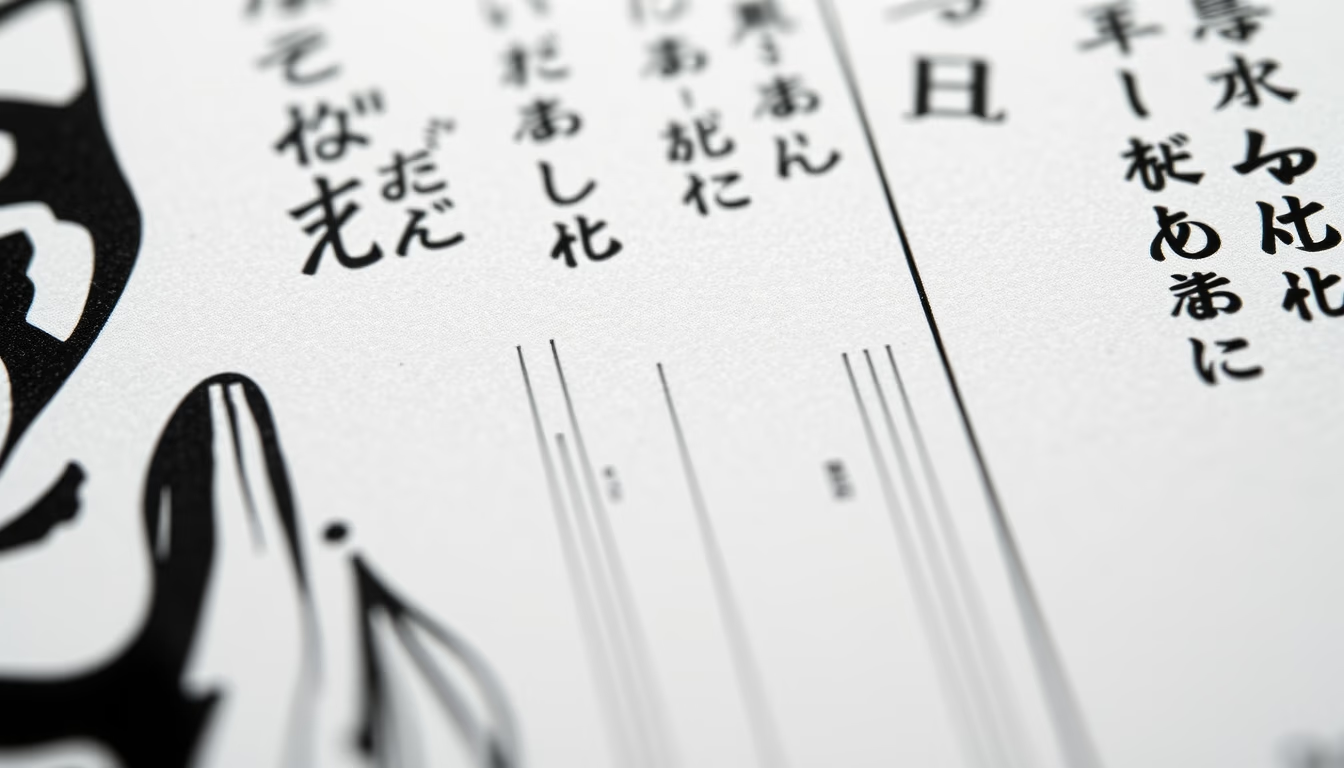
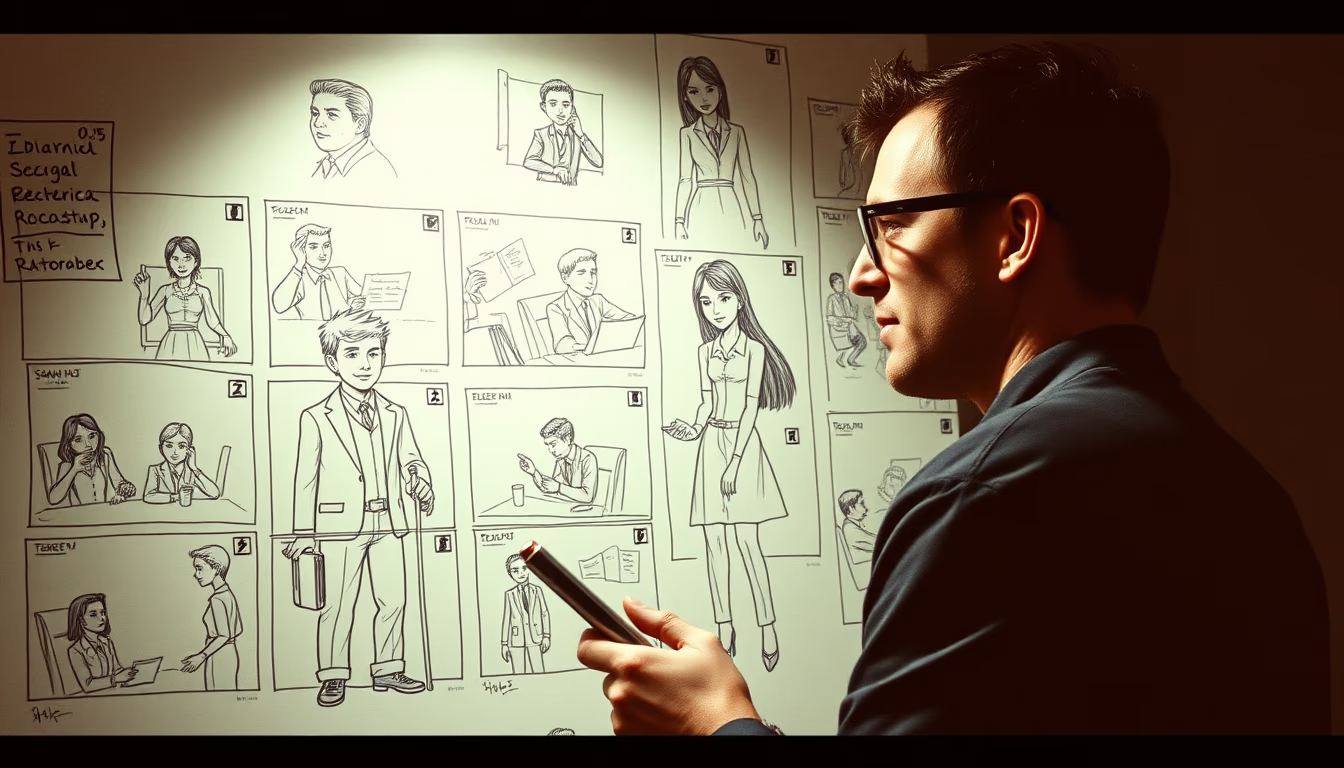
Os painéis de mangá em preto e branco são uma marca registrada da arte japonesa, com técnicas de hachura e uso expressivo de contrastes.
Sobre o tema
A estética preto e branco dos mangás não é mera ausência de cor, mas uma escolha artística deliberada que remonta às origens da indústria no Japão pós-guerra. Influenciada pela escassez de recursos e pela tradição do sumi-ê (pintura a nanquim), a arte monocromática permite que os traços e as texturas conduzam a narrativa. Mangakás como Osamu Tezuka, considerado o pai do mangá moderno, consolidaram o uso de painéis dinâmicos e expressões faciais exageradas, onde o preto e branco acentua o drama e a ação.
Tecnicamente, os artistas utilizam ferramentas como canetas-tinteiro com bicos flexíveis, pincéis e screentones (retículas adesivas) para criar variações de tom e textura. A técnica de hachura, que consiste em traços paralelos ou cruzados, é amplamente empregada para simular sombreamento e volume. O contraste entre áreas totalmente pretas (como em roupas ou fundos) e brancas (como nos olhos dos personagens) guia o olhar do leitor e enfatiza emoções.
A diagramação dos painéis segue uma lógica de leitura ocidentalizada, mas com convenções japonesas: os quadros são dispostos em sequência vertical ou horizontal, com tamanhos variáveis para controlar o ritmo. O preto e branco também facilita a impressão em larga escala, mantendo o custo acessível, o que foi crucial para a popularização do formato revista (como a Shonen Jump) no Japão e no mundo.
Curiosamente, o uso de páginas coloridas é reservado a aberturas especiais ou capítulos de destaque, para causar impacto. O preto e branco, porém, carrega uma identidade visual tão forte que muitos leitores preferem essa versão à colorizada, sentindo que a arte original transmite melhor a intenção do autor.
Perguntas frequentes
Por que os mangás são em preto e branco?
Historicamente, a produção em preto e branco reduzia custos de impressão e permitia tiragens maiores. Além disso, a técnica realça traços e contrastes, tornando a leitura mais dinâmica e expressiva.
Quais ferramentas os mangakás usam para desenhar em preto e branco?
Canetas-tinteiro com bicos flexíveis, pincéis, nanquim e screentones (retículas adesivas) são comuns. A hachura (traços cruzados) é usada para sombreamento.
Existem mangás totalmente coloridos?
Sim, mas são exceção. Obras coloridas geralmente são edições especiais ou versões digitais. A maioria dos mangás é lançada em preto e branco nas revistas semanais.
URL direta
https://pub-c7d6a6ea828543ac903a74a341ccb2e1.r2.dev/imagens/manga-panels-black-white-macro-closeup-fresh12.avifComo creditar
Inclua um link visível de volta pro UtilizAí. Copie um dos snippets abaixo:
<a href="https://xn--utiliza-eza.com/midia/imagens/manga-panels-black-white-macro-closeup-fresh12">Manga panels black white</a> by <a href="https://xn--utiliza-eza.com">UtilizAí</a>, licensed under <a href="https://creativecommons.org/licenses/by/4.0/">CC BY 4.0</a>.
[Manga panels black white](https://xn--utiliza-eza.com/midia/imagens/manga-panels-black-white-macro-closeup-fresh12) by [UtilizAí](https://xn--utiliza-eza.com), CC BY 4.0
Licença: CC-BY-4.0