Maki rolls colorful
1344×768 · AVIF · CC BY 4.0
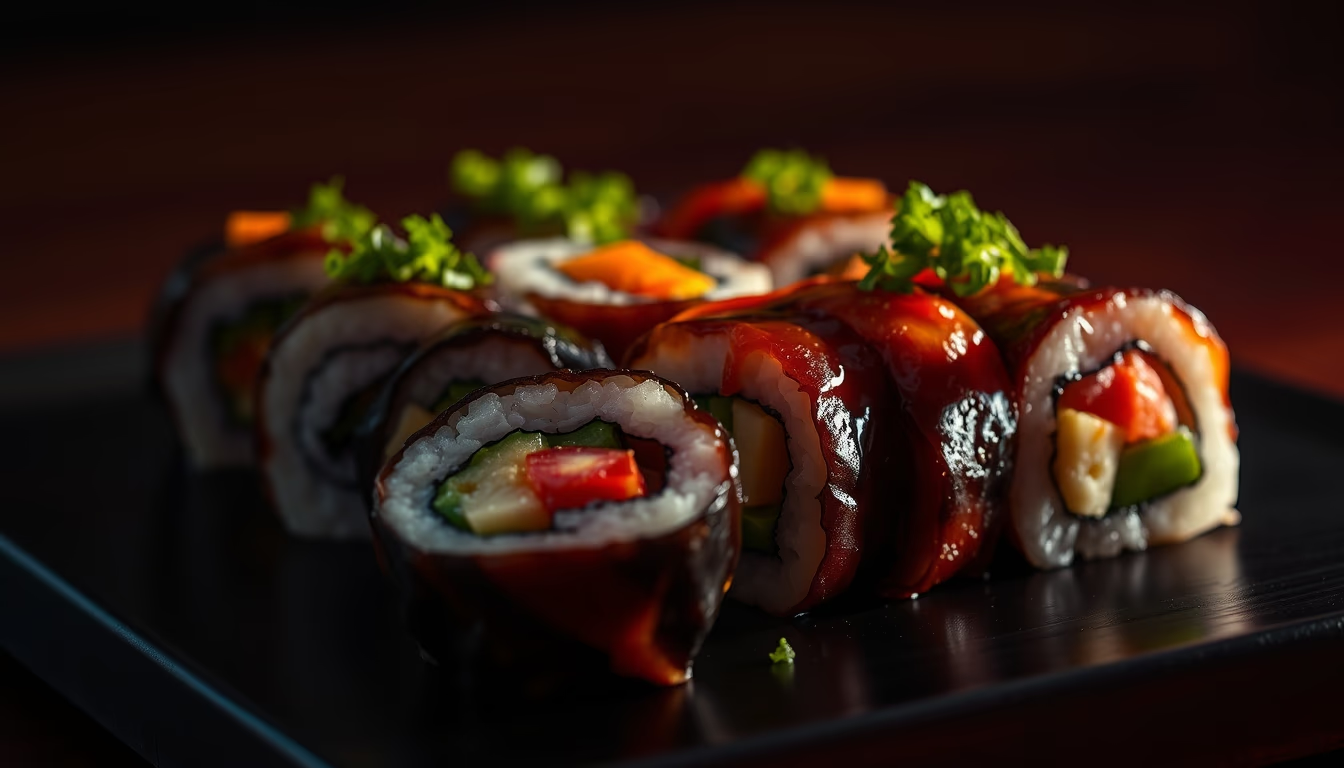
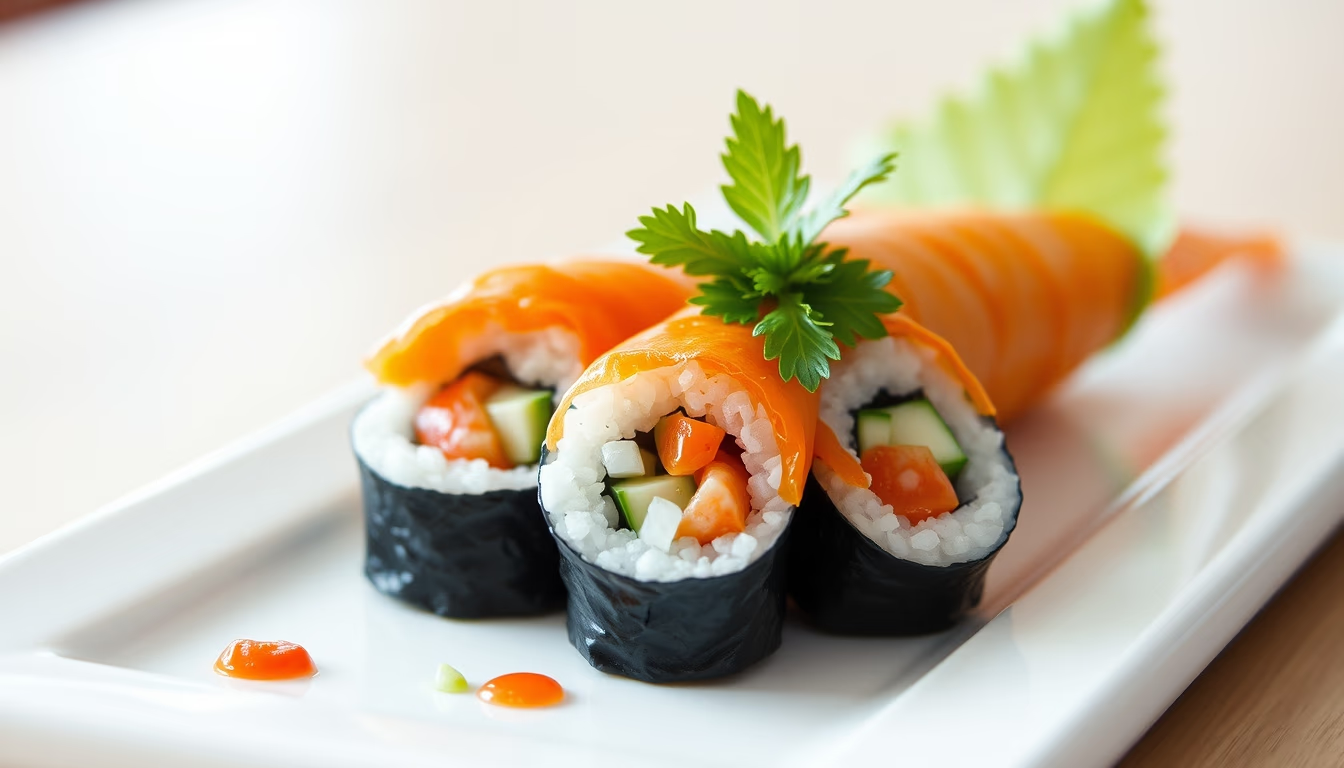
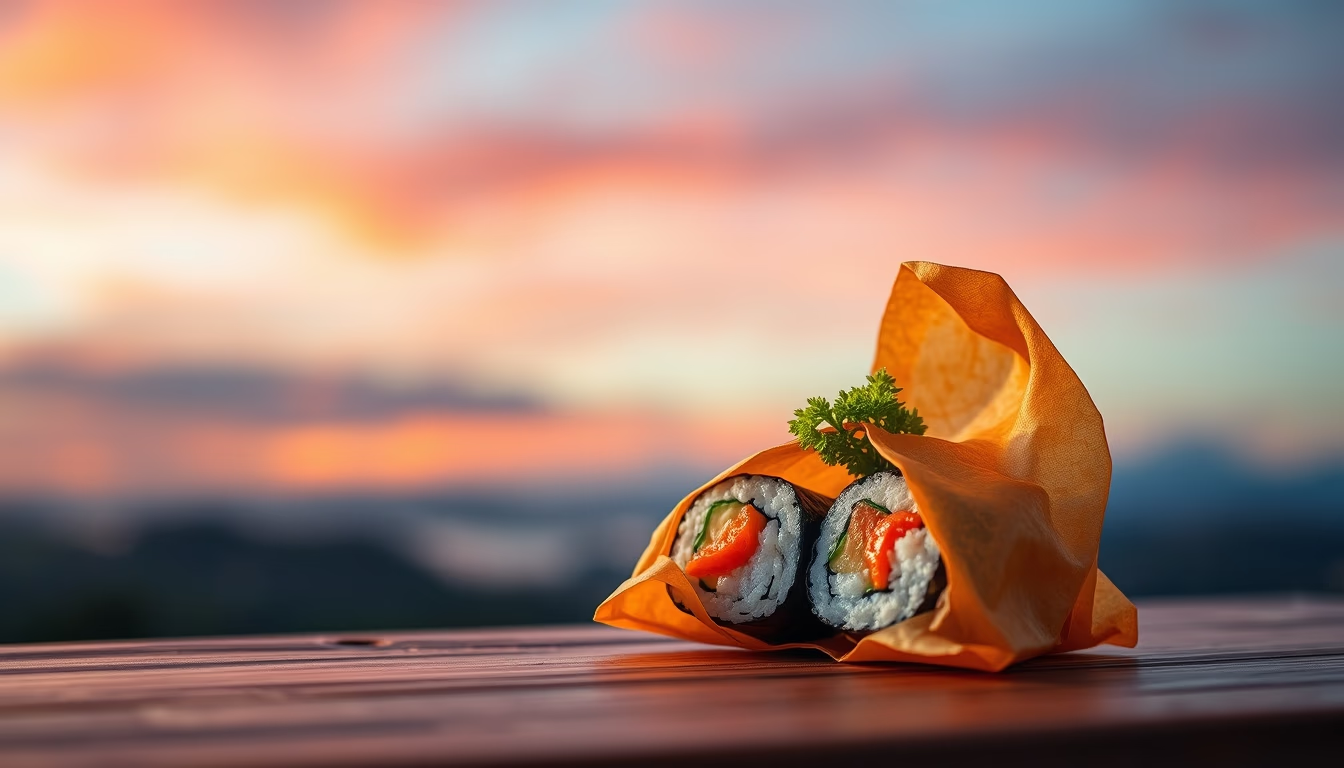
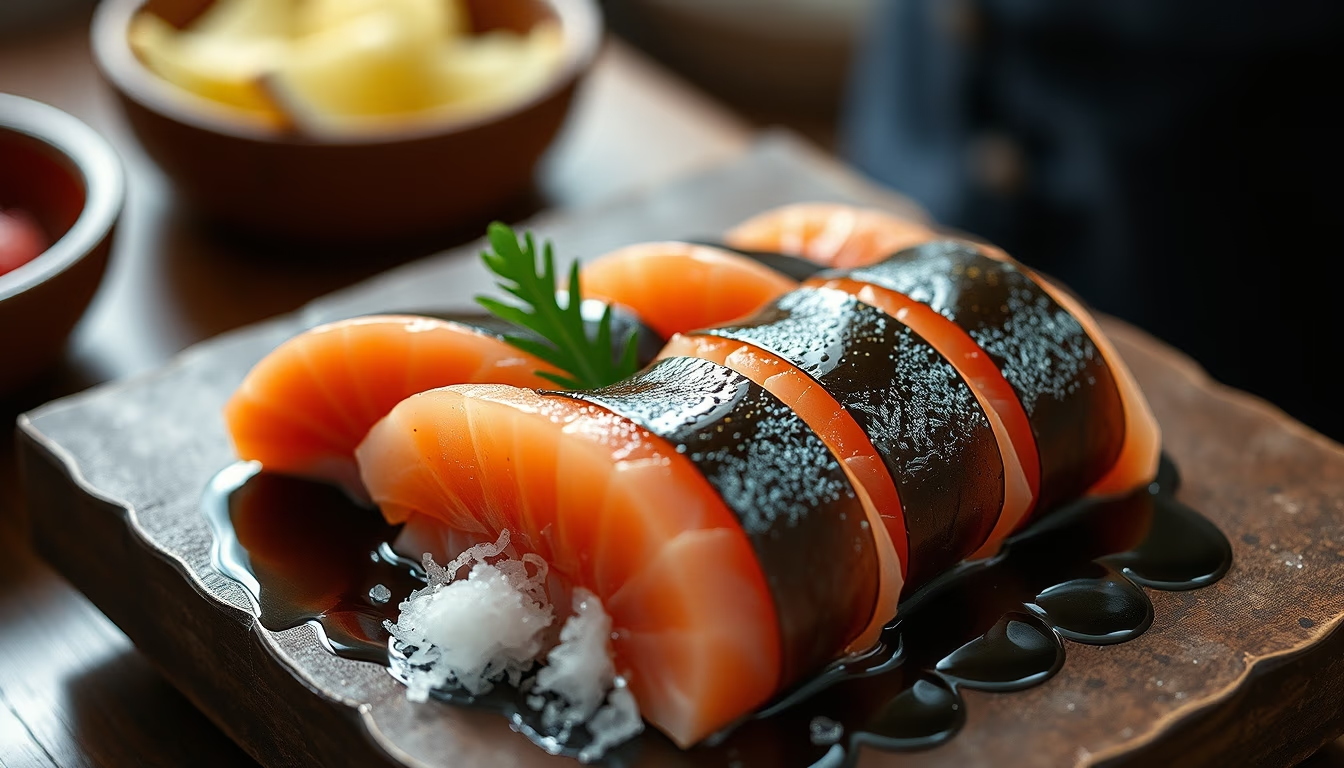
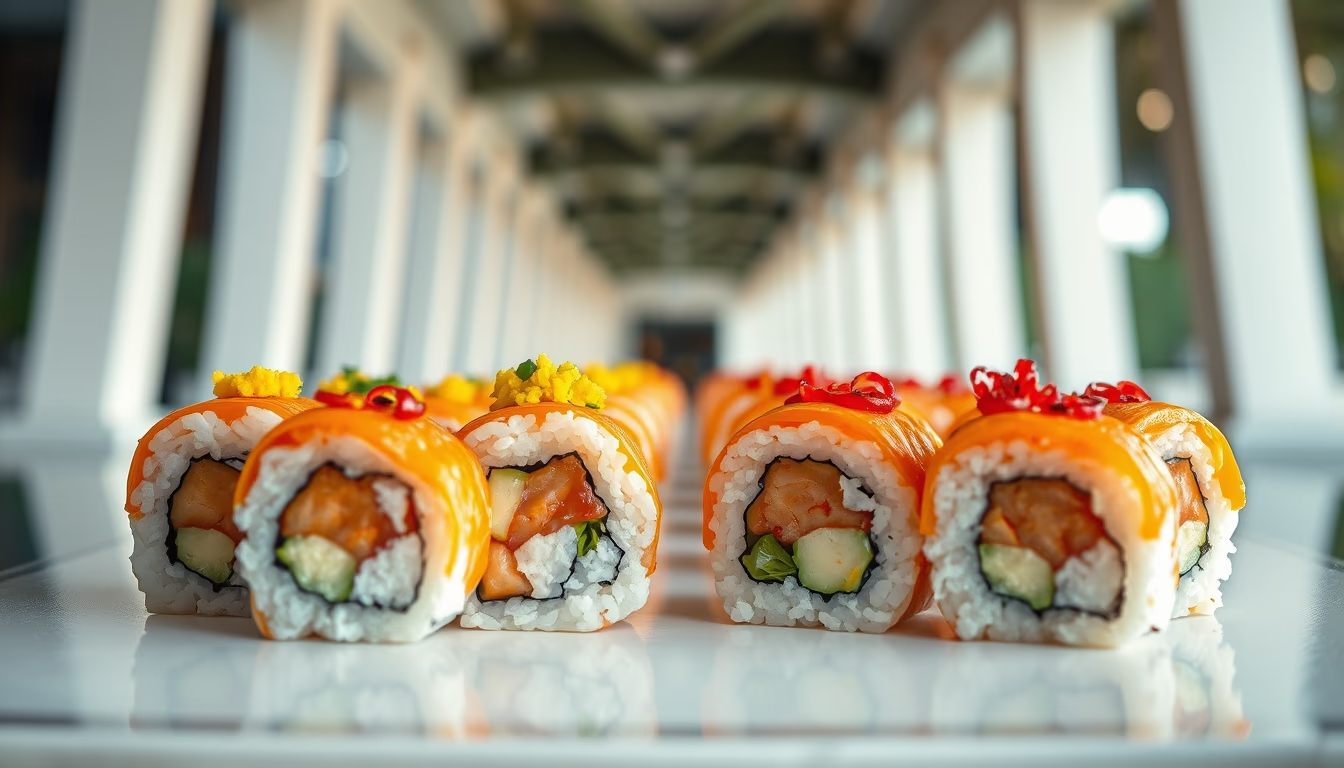
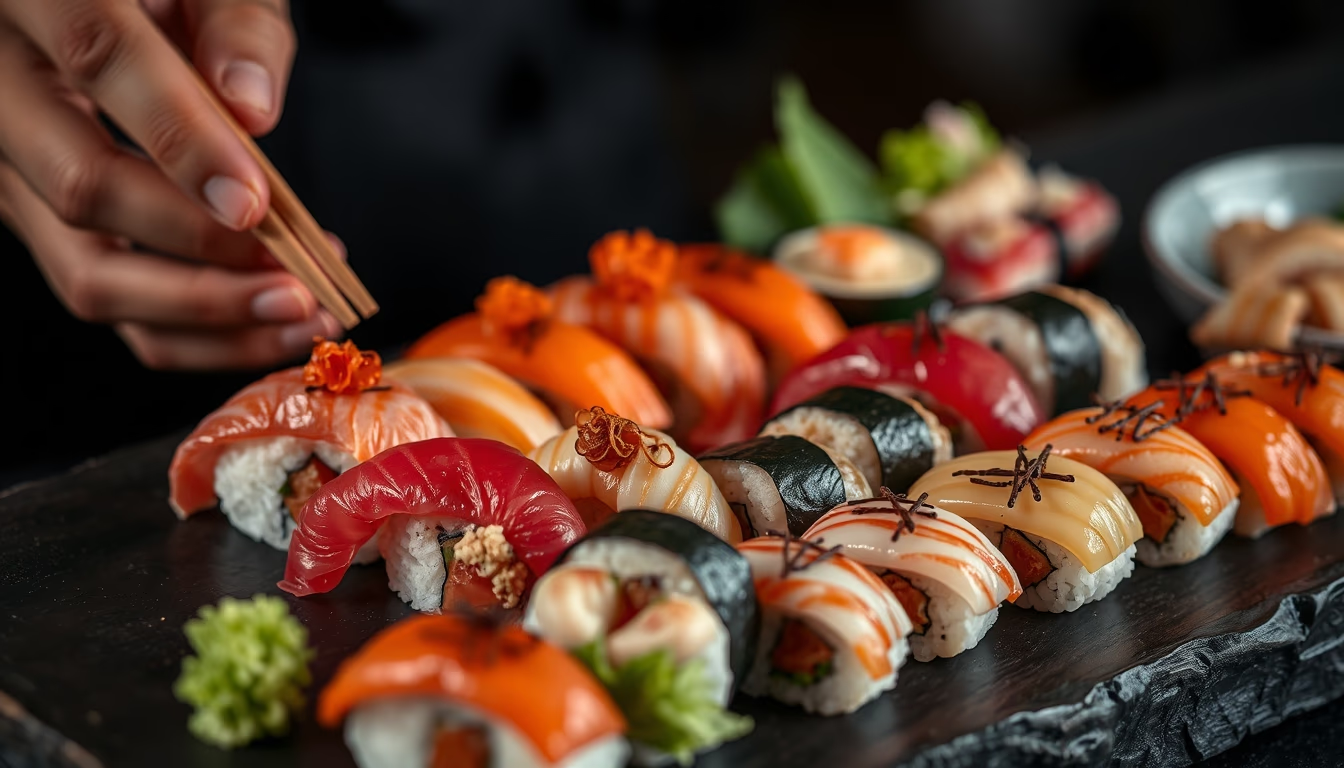
Maki rolls are a type of sushi wrapped in nori seaweed, filled with rice and colorful ingredients like salmon, cucumber and mango, offering a burst of flavors and textures.
About this subject
Maki rolls, also known as makizushi, are one of the most popular forms of sushi worldwide. They differ from nigiri by being rolled in a bamboo mat (makisu) with a layer of rice and various fillings, covered by a sheet of nori seaweed. The colorful version typically includes ingredients such as fresh salmon, crunchy cucumber, creamy avocado, sweet mango, and even cream cheese, creating a visual and gustatory contrast. The rolls are cut into perfect cylinders, exposing vibrant layers.
The origin of maki dates back to 18th-century Japan, when sushi was a method of preserving fish in fermented rice. Over time, it evolved into the quick consumption of fresh fish with seasoned rice. The maki roll gained global popularity in the 1970s, especially in the United States, with variations like the California roll (with kani, avocado, and cucumber) and the Philadelphia roll (with smoked salmon and cream cheese). The colorful version often combines ingredients of different colors to appeal to both palate and eyes.
The preparation technique requires precision: the rice must be at the correct temperature, the nori crispy, and the fillings cut into thin strips. The roll is then tightly wrapped and sliced with a wet knife to prevent the rice from sticking. The colorful presentation is not just aesthetic: each color represents a distinct flavor, and a balanced combination is essential for a complete gastronomic experience. In Brazil, maki is extremely popular in Japanese restaurants and fusion cuisine, often adapted with local ingredients like heart of palm and chili.
Fun facts: the most famous maki roll in the world is the California roll, which reverses the order of rice and nori (ura maki). The traditional maki is called hosomaki (thin roll) or futomaki (thick roll). The colorful version may be finished with black or white sesame seeds, or even tobiko (fish roe) for extra texture. The popularity of sushi in the West has led to creations like the sushi burger and sushi burrito, but the classic maki roll remains a favorite.
Frequently Asked Questions
What is the difference between maki and uramaki?
Maki is sushi rolled with nori on the outside and rice on the inside, while uramaki (like California roll) has rice on the outside and nori on the inside, often coated with sesame seeds or roe.
Can maki rolls be vegetarian?
Yes, vegetarian maki rolls can be made using fillings such as cucumber, avocado, carrot, mango, cream cheese and mushrooms, with no fish or seafood.
How to keep maki rolls fresh?
They are best eaten immediately after preparation. If needed, store in the refrigerator for up to 24 hours in an airtight container, but the nori may soften. Do not freeze.
Direct URL
https://pub-c7d6a6ea828543ac903a74a341ccb2e1.r2.dev/imagens/maki-rolls-colorful-rembrandt-lighting-dramatic-shadows-fresh5.avifHow to credit
Include a visible link back to UtilizAí. Copy one of the snippets below:
<a href="https://xn--utiliza-eza.com/en/midia/imagens/maki-rolls-colorful-rembrandt-lighting-dramatic-shadows-fresh5">Maki rolls colorful</a> by <a href="https://xn--utiliza-eza.com">UtilizAí</a>, licensed under <a href="https://creativecommons.org/licenses/by/4.0/">CC BY 4.0</a>.
[Maki rolls colorful](https://xn--utiliza-eza.com/en/midia/imagens/maki-rolls-colorful-rembrandt-lighting-dramatic-shadows-fresh5) by [UtilizAí](https://xn--utiliza-eza.com), CC BY 4.0
License: CC-BY-4.0