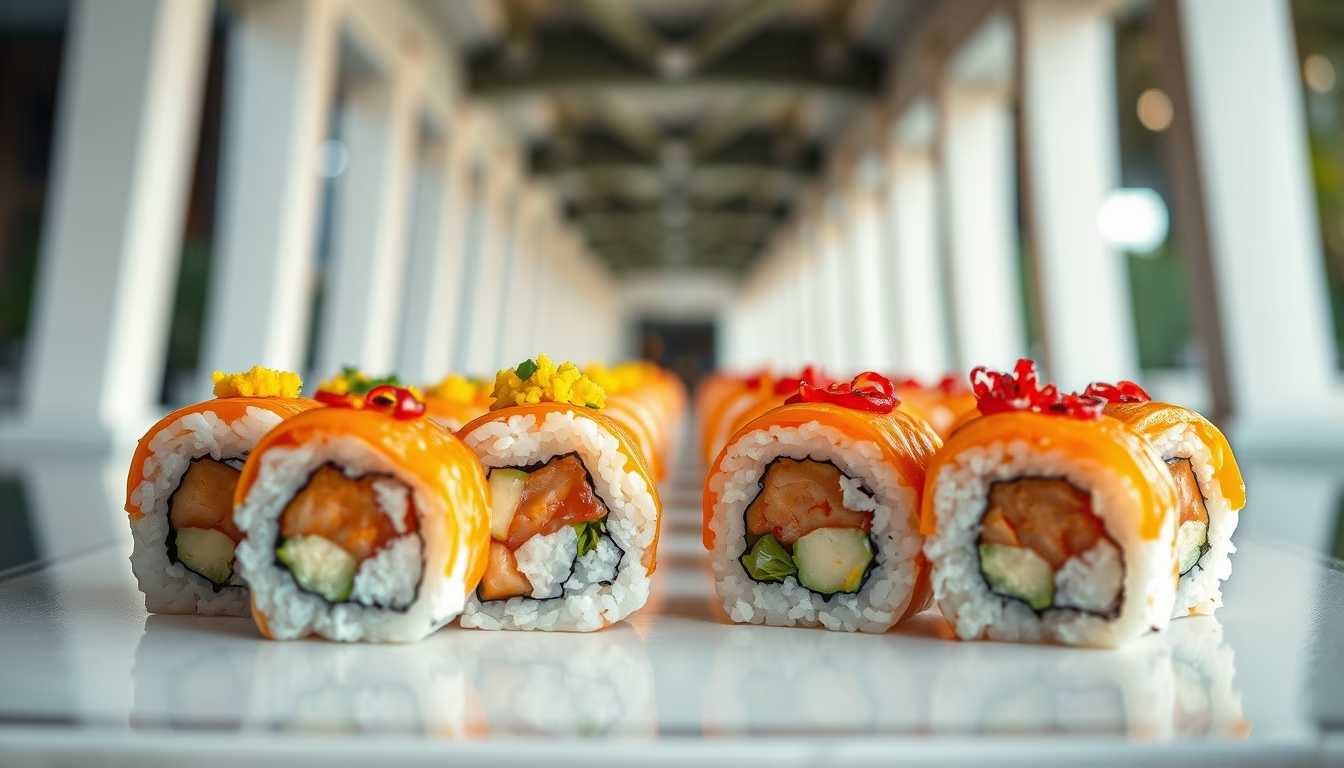
Maki rolls colorful
1344×768 · AVIF · CC BY 4.0
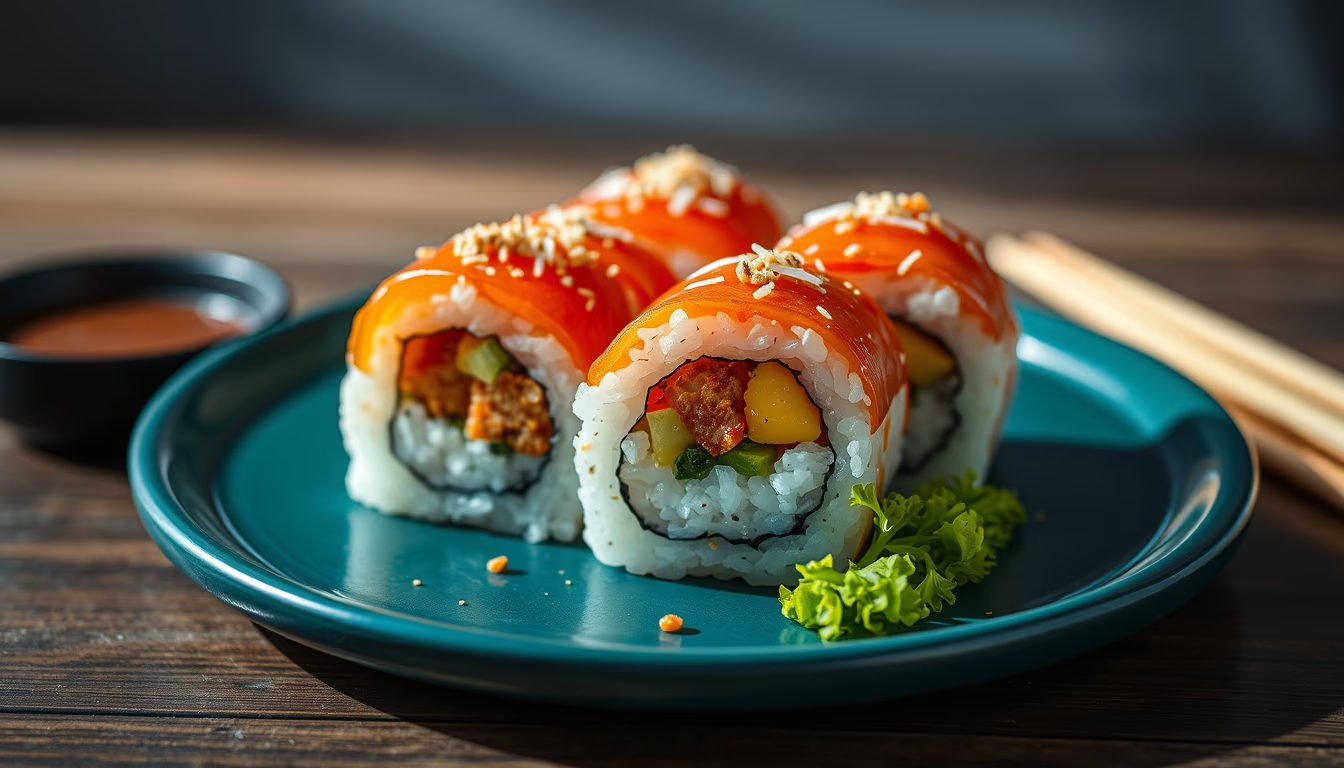
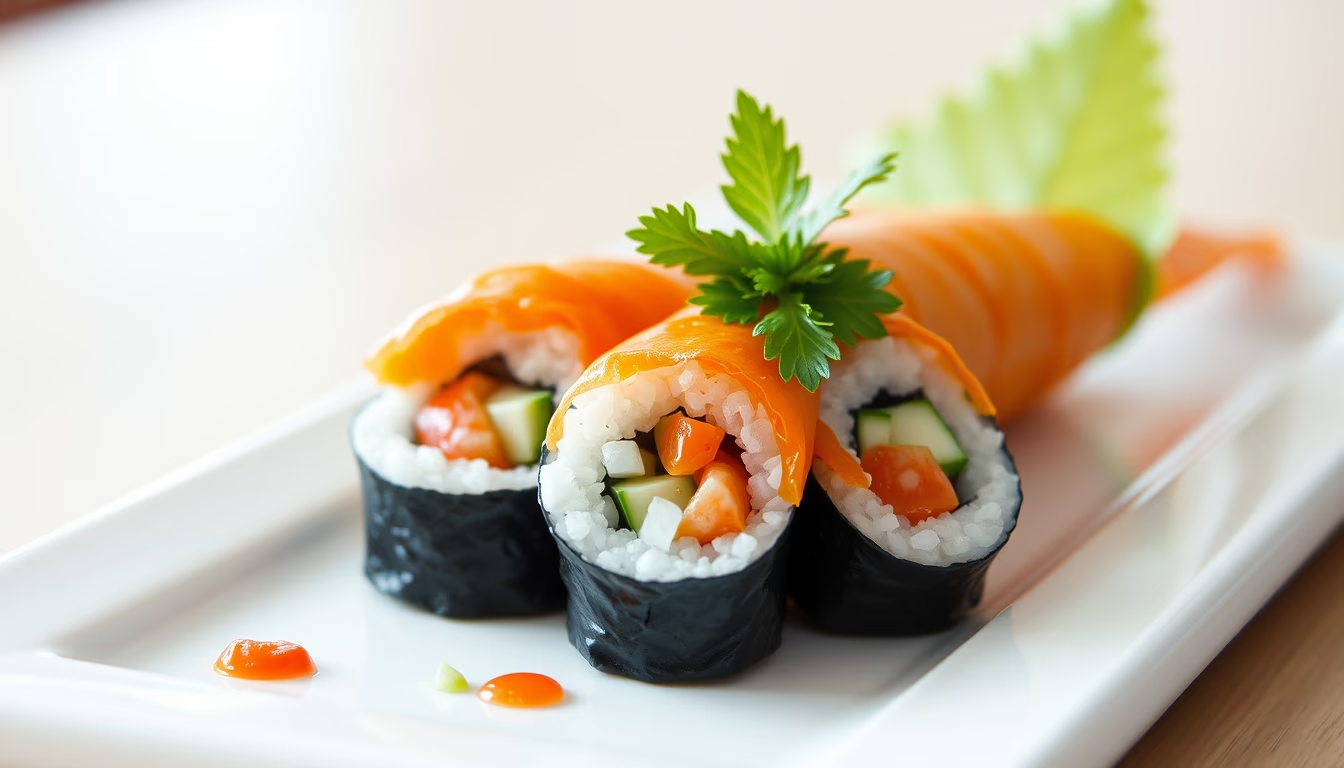
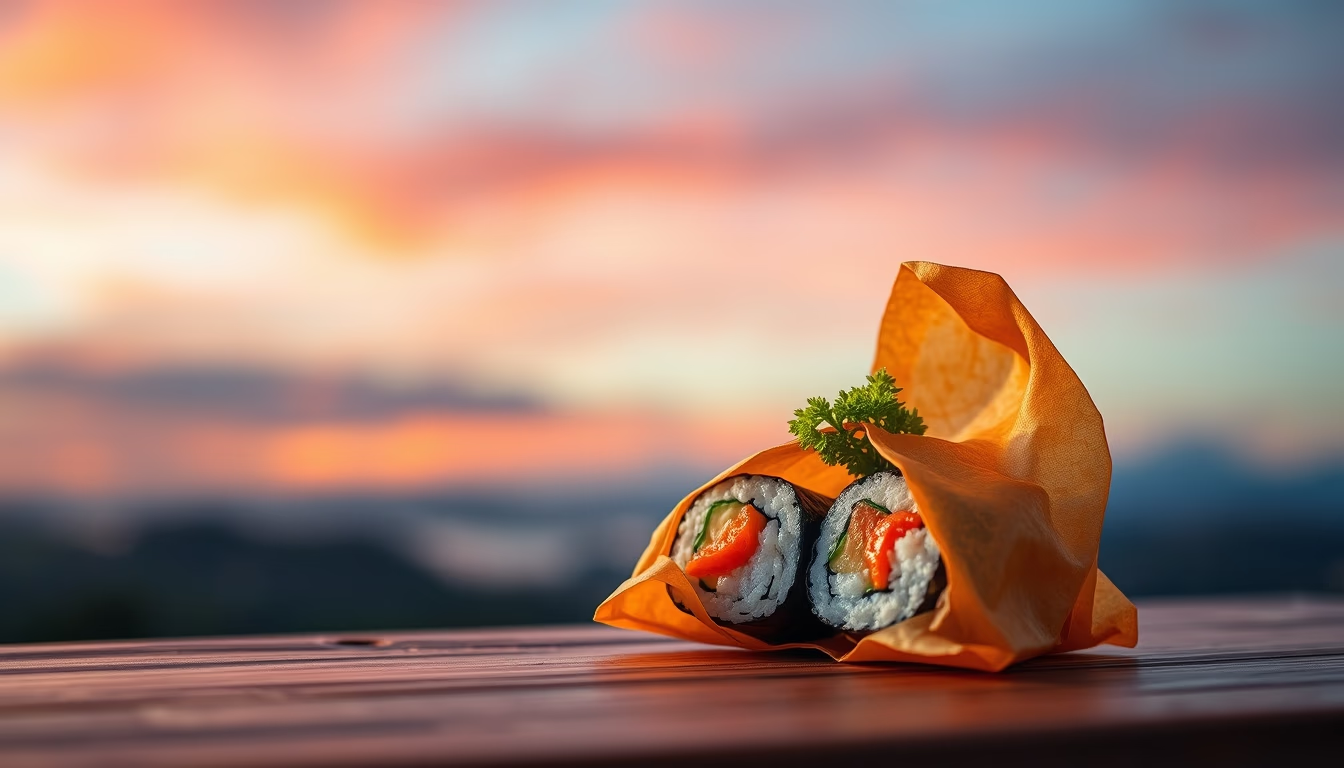
Colorful maki rolls combine fresh ingredients and minimalist presentation, popularizing sushi worldwide.
About this subject
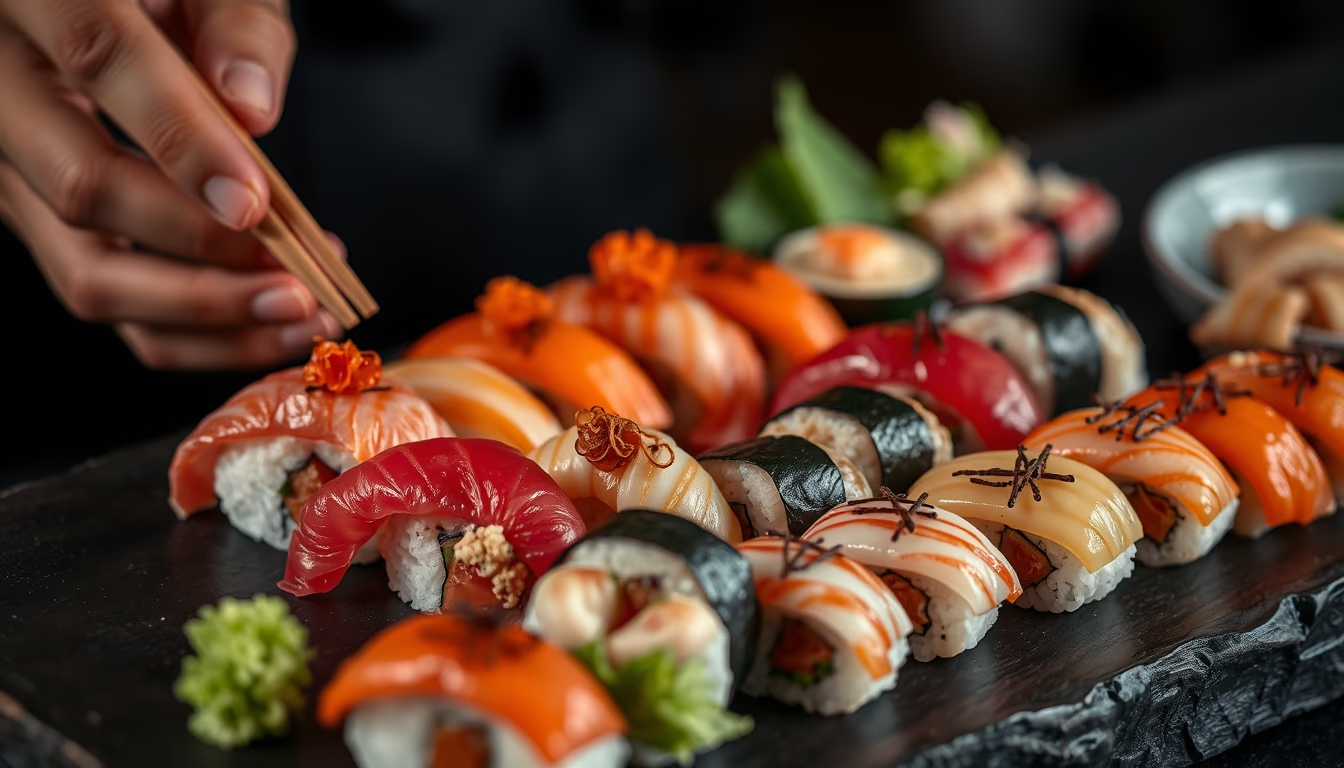
Maki rolls are a type of sushi rolled using a bamboo mat (makisu), with seasoned sushi rice (sushi-meshi) either on the outside or inside the nori seaweed. Colorful versions typically include vegetables such as cucumber, carrot, and avocado, along with raw fish like salmon and tuna, or cooked options like shrimp and kani (crab stick). The vivid colors come from natural ingredients: orange from salmon, green from avocado, red from tuna, and white from rice.
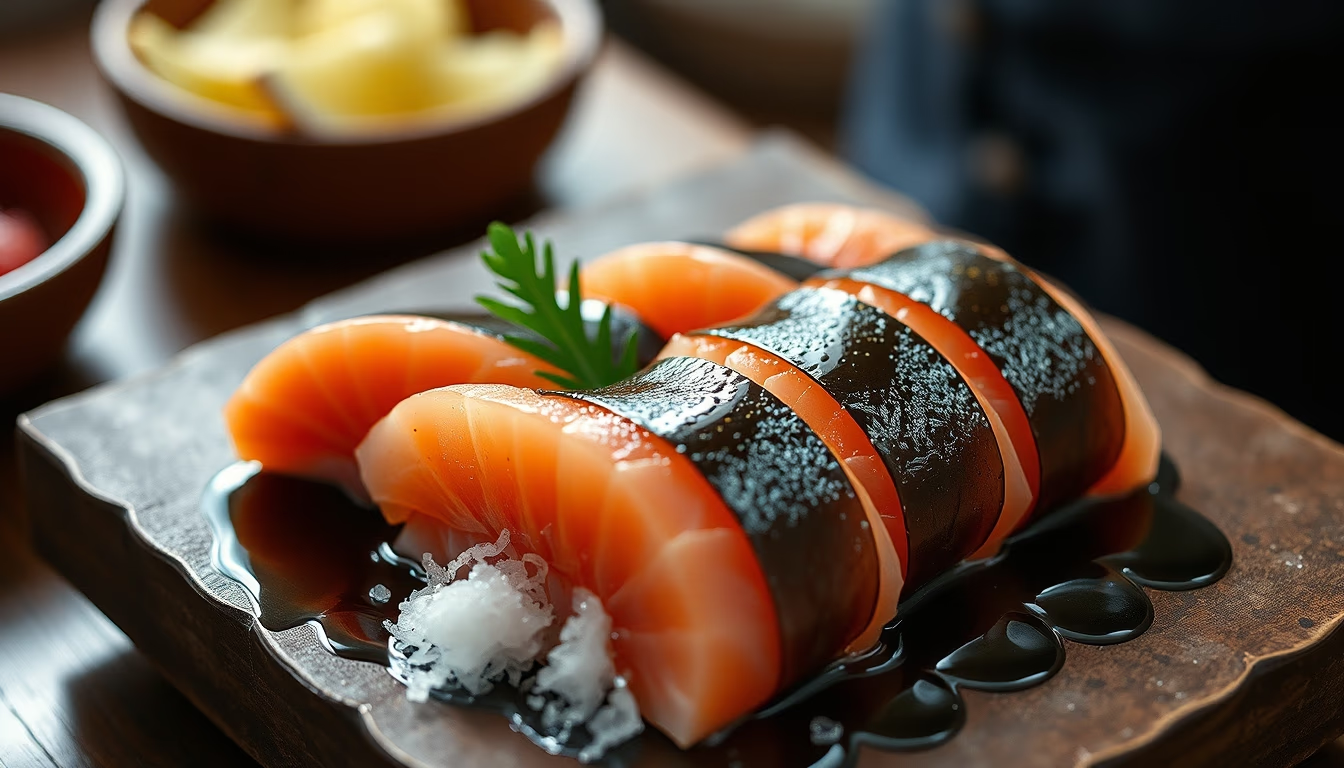
In Brazil, maki became popular in the 1990s with the opening of Japanese restaurants adapting to local tastes. Today it is common to find variations such as cream cheese maki and skin maki (fried salmon skin). The minimalist presentation, with uniform slices arranged in a row, emphasizes aesthetics and practicality, each piece can be eaten in a single bite.
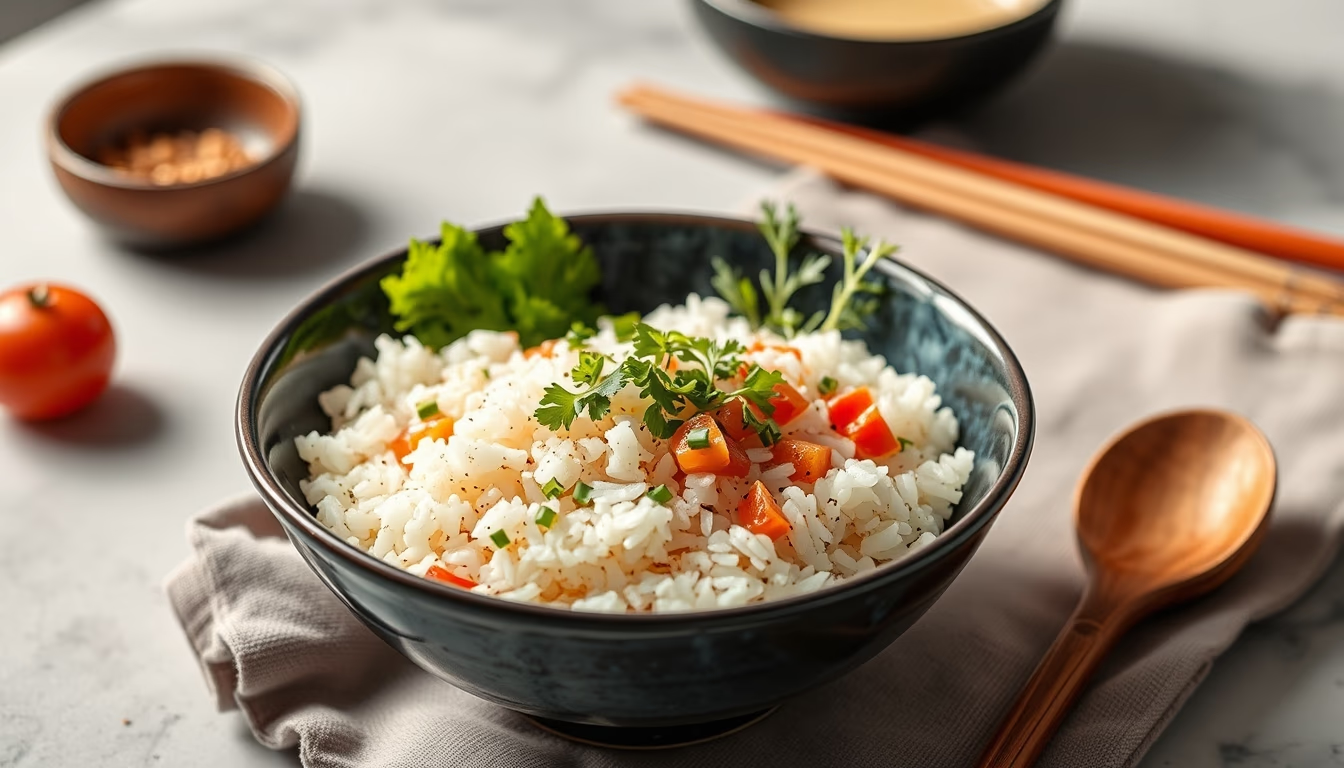
The technique of rolling maki requires precision: the rice must be at room temperature, the nori lightly toasted, and the filling evenly distributed to prevent the roll from falling apart. Colorful maki are especially popular at parties and events buffets, as they visually attract and appeal to diverse audiences, including children. Consumer surveys indicate that sushi has already surpassed Italian cuisine in preference in cities like São Paulo and Rio de Janeiro.
Interesting fact: original Japanese maki (maki-zushi) dates back to the 18th century as a method of preserving fish in vinegared rice. In the West, creativity has led to combinations such as "strawberry maki" (with fruits), although Japanese purists consider these versions sushi in name only. The variety of colors can also come from toppings like black sesame, poppy seeds, or tempura batter (crunchy).
Frequently Asked Questions
What is the difference between maki and uramaki?
In traditional maki, the nori (seaweed) is on the outside, with rice inside. In uramaki, the rice is on the outside and nori inside, often sprinkled with sesame seeds. Colorful rolls can be either type.
Do maki rolls make you gain weight?
It depends on the ingredients. A piece of salmon and avocado maki has around 40, 60 calories. Versions with cream cheese, tempura, or sweet sauces tend to be more caloric. A six-piece serving is equivalent to a light snack.
How to store maki rolls?
They should be eaten on the same day. If storing, wrap in plastic and refrigerate for no more than 12 hours. The rice hardens in the cold, so it is best to take them out 15 minutes before eating.
Direct URL
https://pub-c7d6a6ea828543ac903a74a341ccb2e1.r2.dev/imagens/maki-rolls-colorful-minimalist-composition-fresh11.avifHow to credit
Include a visible link back to UtilizAí. Copy one of the snippets below:
<a href="https://xn--utiliza-eza.com/en/midia/imagens/maki-rolls-colorful-minimalist-composition-fresh11">Maki rolls colorful</a> by <a href="https://xn--utiliza-eza.com">UtilizAí</a>, licensed under <a href="https://creativecommons.org/licenses/by/4.0/">CC BY 4.0</a>.
[Maki rolls colorful](https://xn--utiliza-eza.com/en/midia/imagens/maki-rolls-colorful-minimalist-composition-fresh11) by [UtilizAí](https://xn--utiliza-eza.com), CC BY 4.0
License: CC-BY-4.0