Mai tai tropical garnish
1344×768 · AVIF · CC BY 4.0
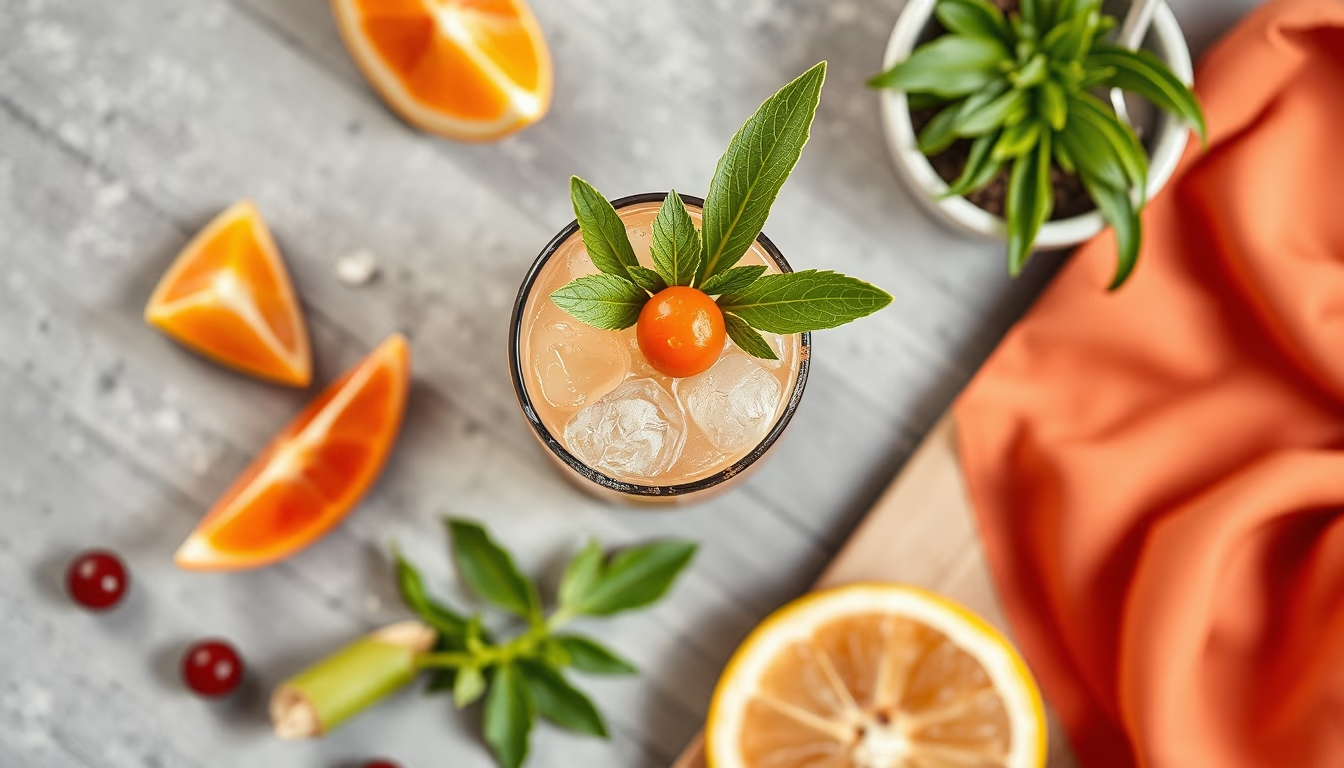
Mai Tai tropical garnish: history, ingredients, and tips for preparing the classic Tahitian cocktail.
About this subject
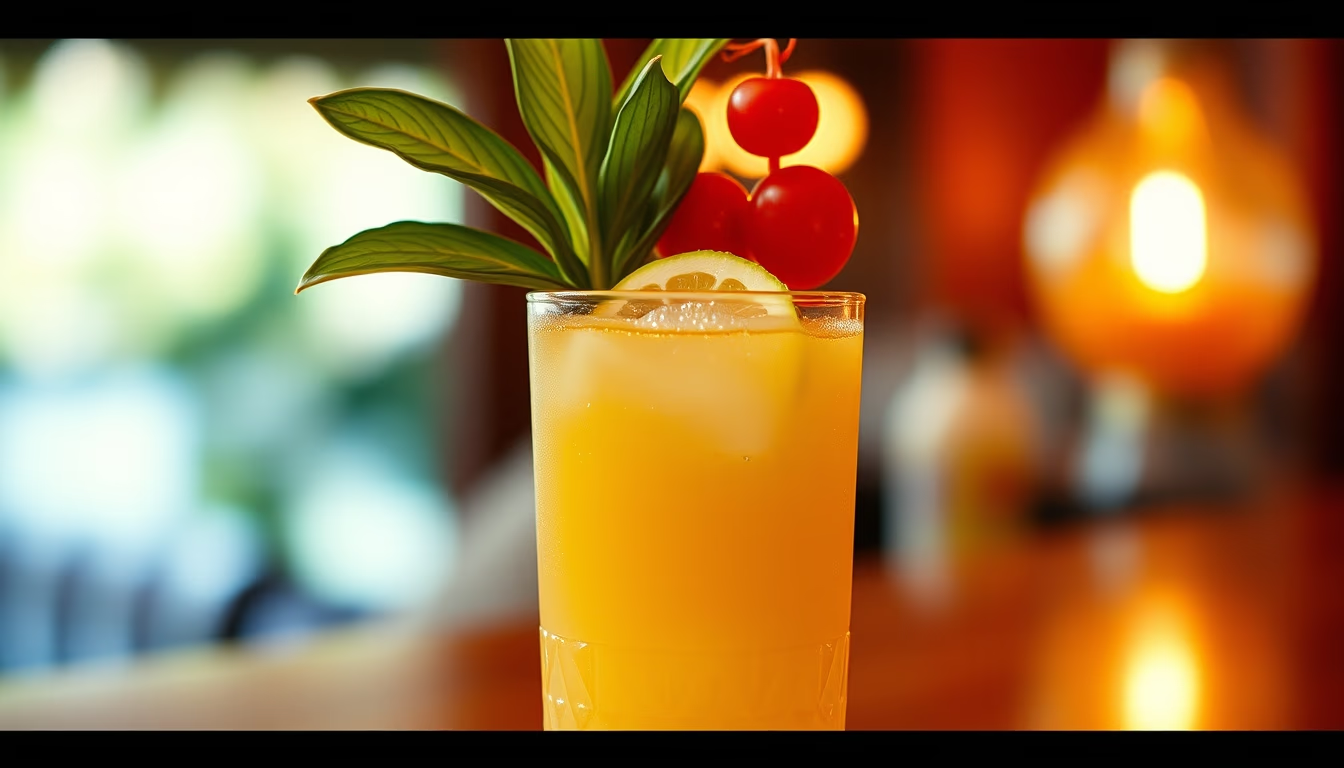
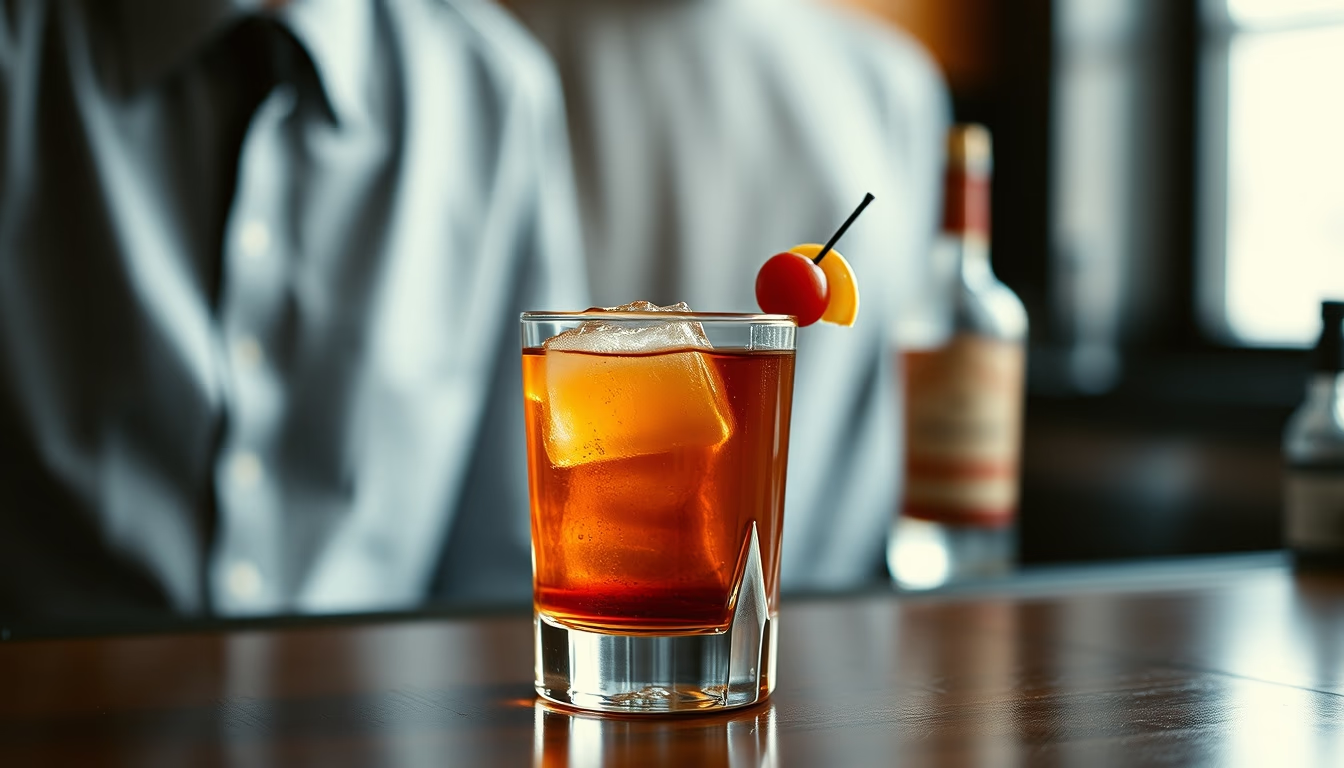
The tropical garnish of the Mai Tai is more than a decoration; it represents the visual and aromatic identity of one of the world's most iconic cocktails. Created in 1944 by Victor J. Bergeron, known as Trader Vic, in Oakland, California, the Mai Tai quickly became a symbol of tiki culture, blending flavors from the Caribbean and the South Pacific. The classic garnish includes a lime wheel, a mint sprig, a cherry, a piece of pineapple, and often an orchid flower, arranged to evoke a tropical island.
Each garnish element has a sensory function. Fresh mint releases essential oils that complement the rum and curacao, while lime provides acidity that balances the sweetness of orgeat syrup. Pineapple and cherry add fruity notes and color, and the orchid, although inedible, recalls the Polynesian aesthetic the cocktail seeks to reproduce. The traditional arrangement follows a pattern: the lime wheel is fixed on the rim, the mint sprig emerges from the liquid, and the remaining items are skewered on a stick or placed over ice.
Historically, Mai Tai garnish varied by region and era. In the 1950s and 1960s, tiki bars in the United States turned it into a visual spectacle, with paper umbrellas and exotic fruits. Today, modern bartenders revisit the recipe, but the garnish remains an essential element for a complete experience. According to the International Bartenders Association (IBA), the official garnish includes a lime wheel and mint sprig, but bar creativity has expanded to include passion fruit, ginger, or even chili pepper for contemporary versions.
The tropical garnish of the Mai Tai is not merely decorative; it influences flavor perception and the drinking ritual. Bringing the glass to the mouth, the aroma of mint and lime prepares the palate for the cocktail's complex flavors. Moreover, the exuberant presentation recalls the escapism that tiki culture proposed in the post-war era, transporting the drinker to an imaginary beach. For those wishing to prepare an authentic Mai Tai, the correct garnish is the finish that distinguishes a homemade cocktail from an experience worthy of the best themed bars.
Frequently Asked Questions
What is the origin of the Mai Tai cocktail?
The Mai Tai was created in 1944 by Victor J. Bergeron (Trader Vic) in Oakland, California. The original recipe combined Jamaican and Cuban rum, curacao, orgeat syrup, lime juice, and sugar, served with crushed ice and a tropical garnish.
What are the ingredients of the classic Mai Tai garnish?
The classic garnish includes a lime wheel, a fresh mint sprig, a cherry, a piece of pineapple, and often an orchid flower. Some bars also add a paper umbrella or a straw.
Does the Mai Tai garnish affect the taste of the drink?
Yes, the garnish contributes to the sensory experience. Mint and lime release aromas that interact with the palate, while elements like pineapple and cherry add subtle flavor notes when they come into contact with the liquid.
Direct URL
https://pub-c7d6a6ea828543ac903a74a341ccb2e1.r2.dev/imagens/mai-tai-tropical-garnish-isometric-flat-lay-fresh0.avifHow to credit
Include a visible link back to UtilizAí. Copy one of the snippets below:
<a href="https://xn--utiliza-eza.com/en/midia/imagens/mai-tai-tropical-garnish-isometric-flat-lay-fresh0">Mai tai tropical garnish</a> by <a href="https://xn--utiliza-eza.com">UtilizAí</a>, licensed under <a href="https://creativecommons.org/licenses/by/4.0/">CC BY 4.0</a>.
[Mai tai tropical garnish](https://xn--utiliza-eza.com/en/midia/imagens/mai-tai-tropical-garnish-isometric-flat-lay-fresh0) by [UtilizAí](https://xn--utiliza-eza.com), CC BY 4.0
License: CC-BY-4.0