Lunar surface astronaut footprint
1344×768 · AVIF · CC BY 4.0
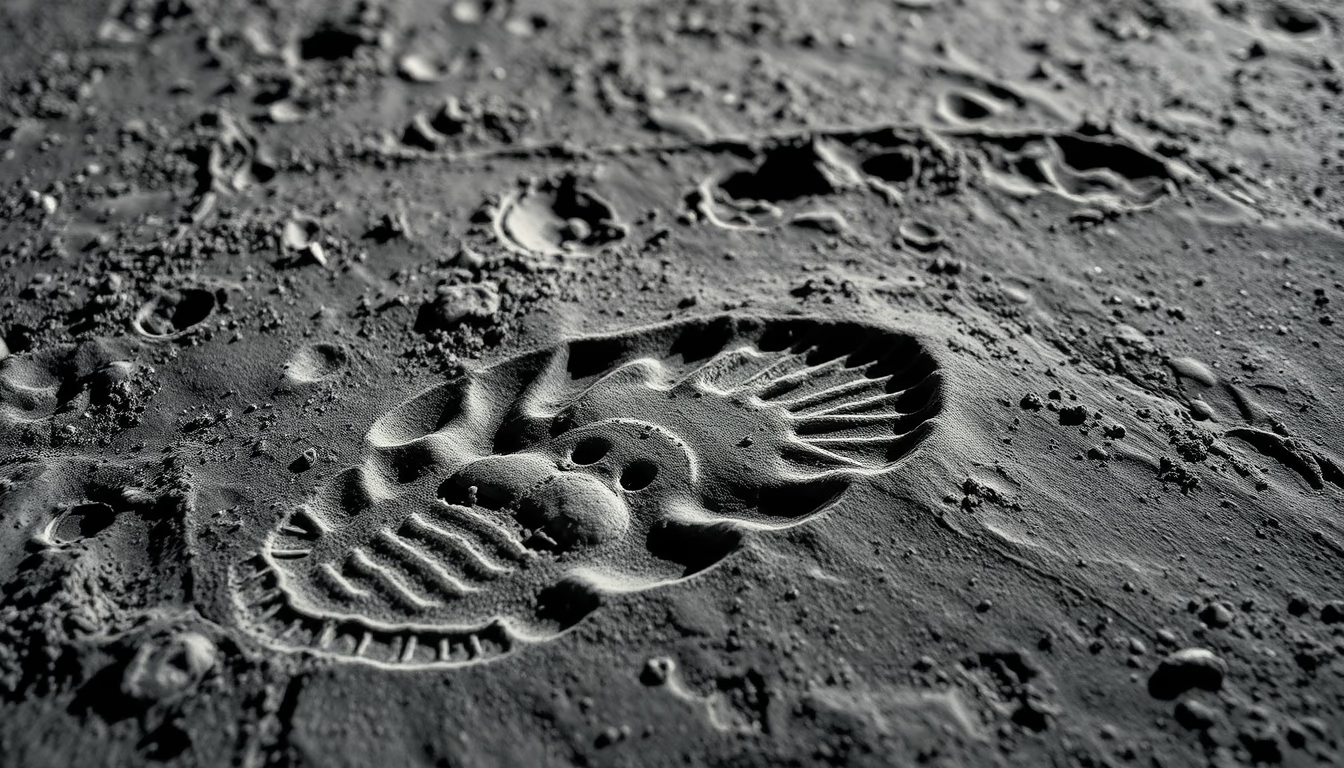
The astronaut footprint on the Moon is one of the most enduring symbols of human space exploration, recorded during the Apollo missions.
About this subject
The footprint left by astronauts on the lunar surface is an iconic symbol of space exploration. The first imprint was made by Neil Armstrong on July 20, 1969, during the Apollo 11 mission. Because the Moon lacks atmosphere and wind, marks on the surface can remain intact for millions of years, unless disturbed by micrometeoroid impacts or future human activity.
Lunar soil, known as regolith, consists of fine, angular silicate particles formed by billions of years of micrometeorite bombardment. The absence of water and erosive processes preserves details such as the texture of astronauts' boots. Each footprint is essentially a space fossil, carrying information about soil composition and spacesuit design.
The Apollo missions left hundreds of footprints at six different locations on the Moon between 1969 and 1972. Recent studies using images from the Lunar Reconnaissance Orbiter (LRO) show that the footprints remain sharp even after decades. Scientists warn that future human or robotic missions could damage these historical sites, sparking debates about preserving lunar heritage.
Beyond scientific value, lunar footprints symbolize humanity's potential to overcome limits. They represent our species' first step on another world, a milestone that inspired generations and continues to drive contemporary space exploration, such as the Artemis program, which plans to return humans to the Moon.
Frequently Asked Questions
Why do footprints on the Moon last so long?
The Moon has no atmosphere, wind, or water, processes that would quickly erase marks on Earth. Lunar regolith is stable and only disturbed by micrometeoroid impacts or future missions.
How many astronaut footprints are on the Moon?
The six Apollo missions that landed on the Moon (Apollo 11, 12, 14, 15, 16, and 17) left hundreds of footprints. It is estimated that over 100 meters of tracks were made by astronauts.
Can lunar footprints be seen from Earth?
No. Even with powerful telescopes, the resolution needed to distinguish footprints is too high. Only orbiting probes like LRO can capture them clearly.
Direct URL
https://pub-c7d6a6ea828543ac903a74a341ccb2e1.r2.dev/imagens/lunar-surface-astronaut-footprint-national-geographic-style-p5.avifHow to credit
Include a visible link back to UtilizAí. Copy one of the snippets below:
<a href="https://xn--utiliza-eza.com/en/midia/imagens/lunar-surface-astronaut-footprint-national-geographic-style-p5">Lunar surface astronaut footprint</a> by <a href="https://xn--utiliza-eza.com">UtilizAí</a>, licensed under <a href="https://creativecommons.org/licenses/by/4.0/">CC BY 4.0</a>.
[Lunar surface astronaut footprint](https://xn--utiliza-eza.com/en/midia/imagens/lunar-surface-astronaut-footprint-national-geographic-style-p5) by [UtilizAí](https://xn--utiliza-eza.com), CC BY 4.0
License: CC-BY-4.0