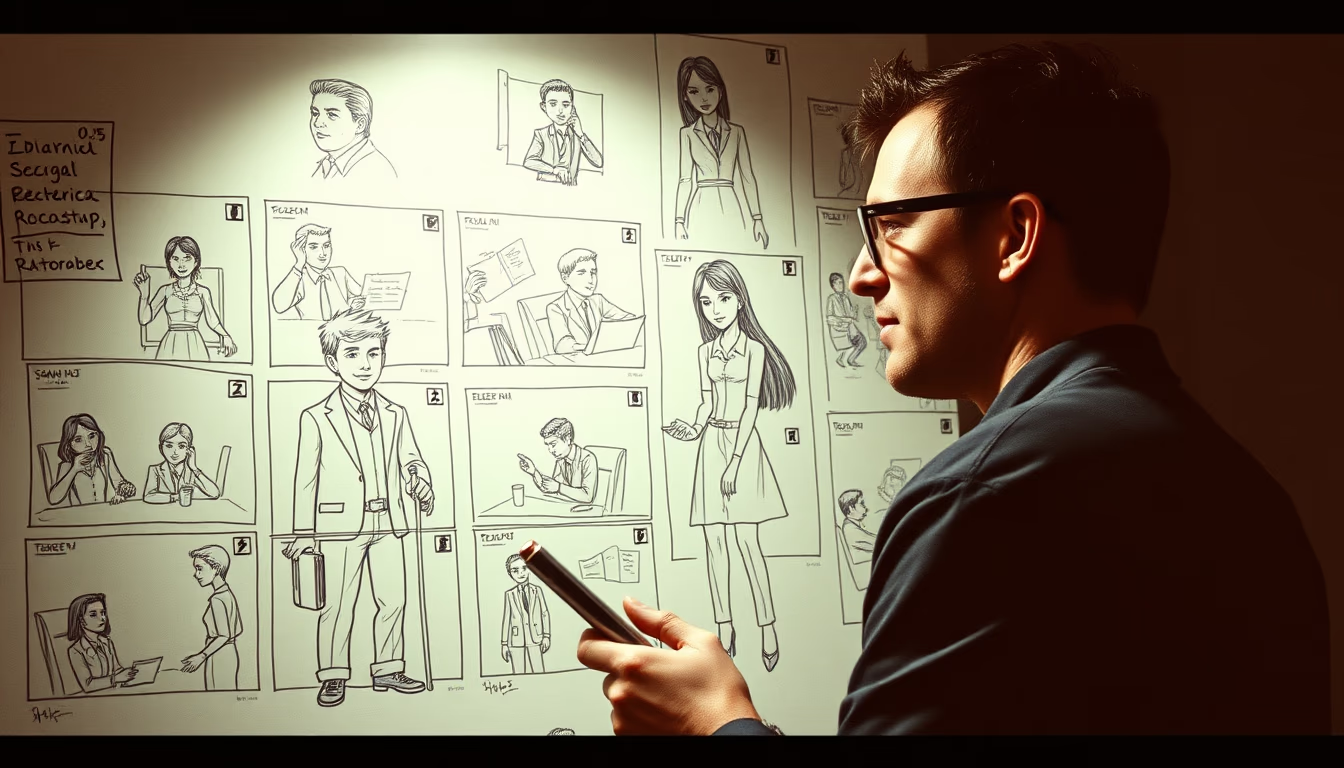
Lightbox tracing
1344×768 · AVIF · CC BY 4.0

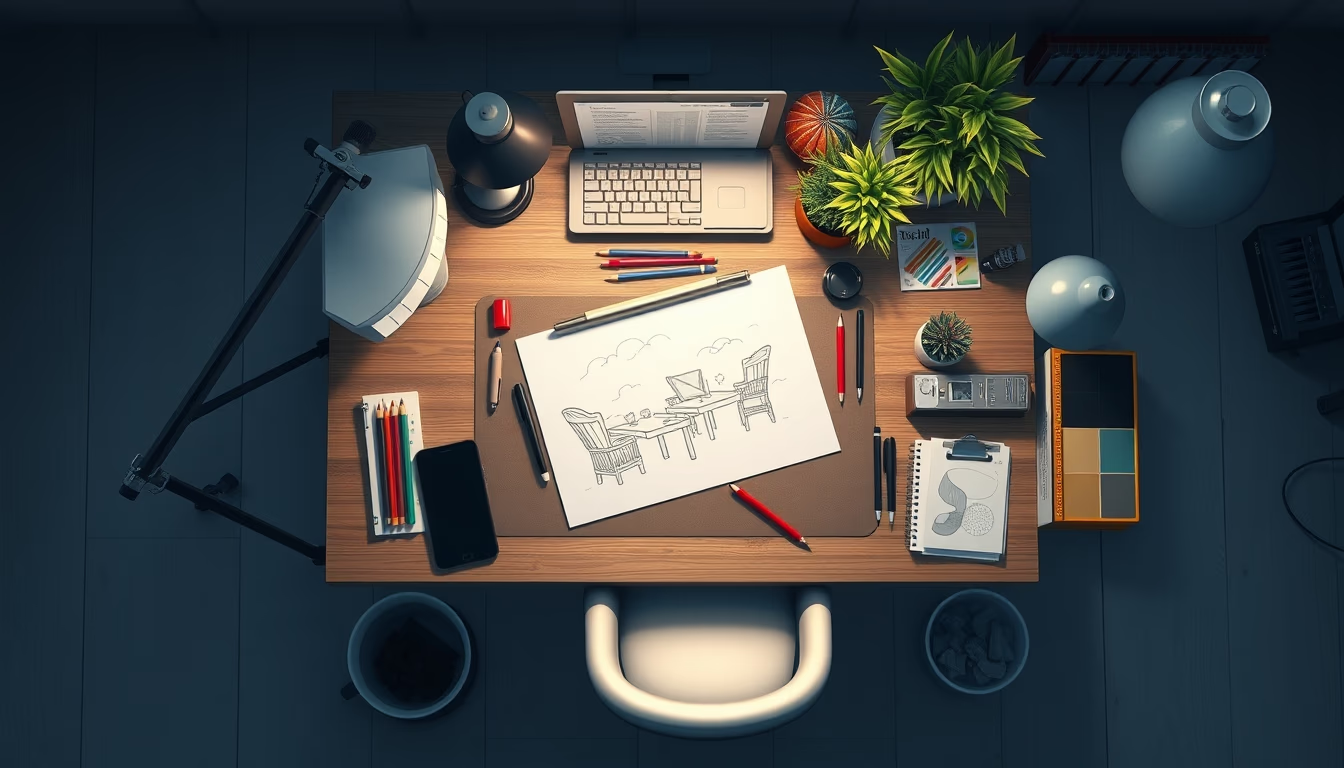
Lightbox tracing is a fundamental technique in sequential art, used to transfer sketches with precision and efficiency.
About this subject
Lightbox tracing is a technique widely used by comic artists and illustrators to transfer drawings from one sheet to another without losing detail. It involves placing the original sketch on the illuminated surface of the lightbox and a blank sheet on top. The light shows the original lines through the paper, making it easy to trace manually. This method is especially useful for refining final art, correcting proportions, or creating variations of the same drawing.
The history of the lightbox dates back to early animation studios, where artists used tables with glass and incandescent bulbs to copy keyframes. Over time, the equipment evolved into portable LED versions, more efficient with adjustable light. Today, many artists have switched to tablets with illuminated screens (like the iPad) that serve the same function with the added benefit of digital editing. However, traditional lightboxes are still preferred by those who value the tactile feel of pencil and paper.
In the context of the tilt-shift miniature tag, the lightbox can be used to create exaggerated perspectives that resemble models. Artists working in this style often trace scenes with forced vanishing points, and the lightbox helps maintain geometric consistency. The tilt-shift technique, originally photographic, is adapted in drawing to simulate miniatures, and the precision of tracing on a lightbox is essential for the realism of the illusion.
Frequently Asked Questions
What is lightbox tracing and what is it used for?
Lightbox tracing is the act of copying a drawing using a light table. It is used to transfer sketches with accuracy, refine lines, or create multiple versions of the same illustration.
How to use a lightbox for drawing?
Place the original drawing on the illuminated surface and a blank sheet on top. The light shines through the paper, allowing you to see the lines and trace them with pencil or pen.
What is the difference between traditional and digital lightbox?
A traditional lightbox uses LED or fluorescent lamps under an acrylic surface, while a digital lightbox is a tablet with an illuminated screen that also allows digital editing. The traditional one maintains the tactile feel of paper, while digital offers more features.
Direct URL
https://pub-c7d6a6ea828543ac903a74a341ccb2e1.r2.dev/imagens/lightbox-tracing-tilt-shift-miniature-fresh2.avifHow to credit
Include a visible link back to UtilizAí. Copy one of the snippets below:
<a href="https://xn--utiliza-eza.com/en/midia/imagens/lightbox-tracing-tilt-shift-miniature-fresh2">Lightbox tracing</a> by <a href="https://xn--utiliza-eza.com">UtilizAí</a>, licensed under <a href="https://creativecommons.org/licenses/by/4.0/">CC BY 4.0</a>.
[Lightbox tracing](https://xn--utiliza-eza.com/en/midia/imagens/lightbox-tracing-tilt-shift-miniature-fresh2) by [UtilizAí](https://xn--utiliza-eza.com), CC BY 4.0
License: CC-BY-4.0