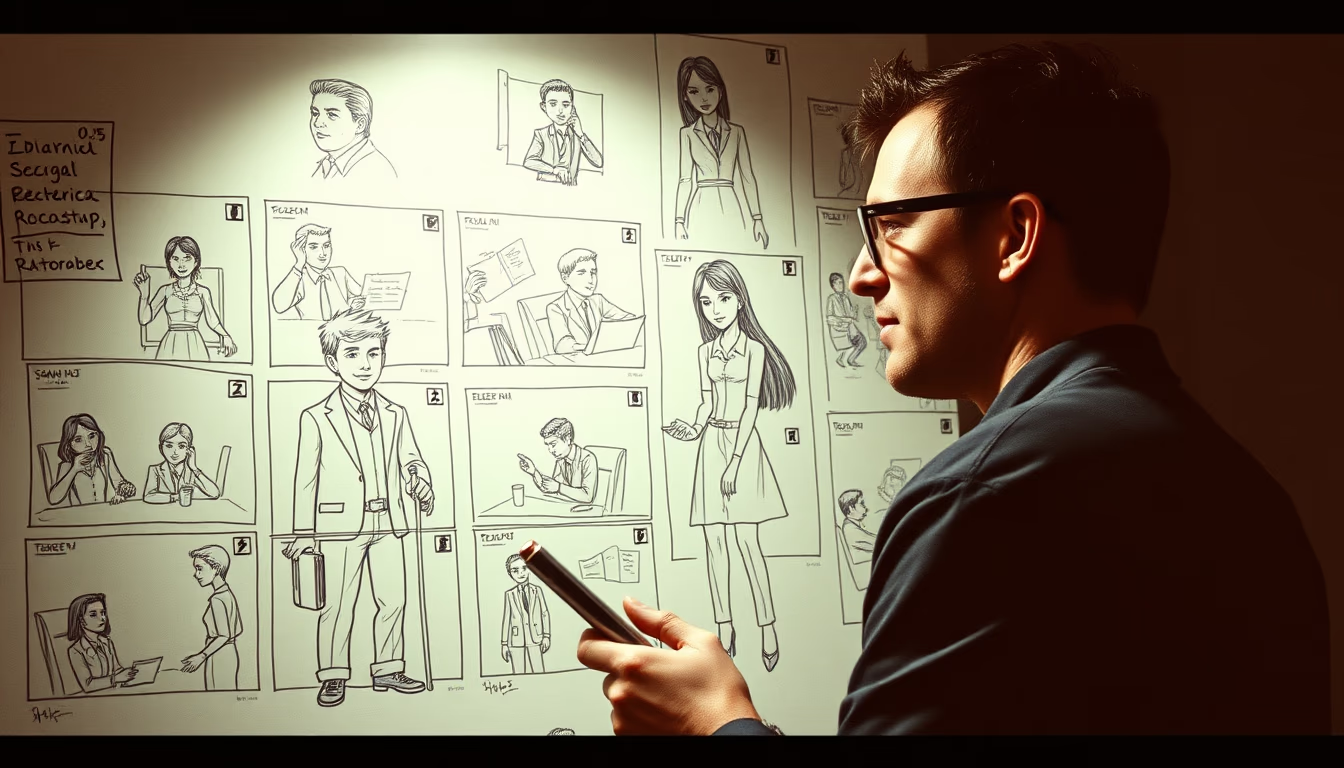
Lightbox tracing
1344×768 · AVIF · CC BY 4.0
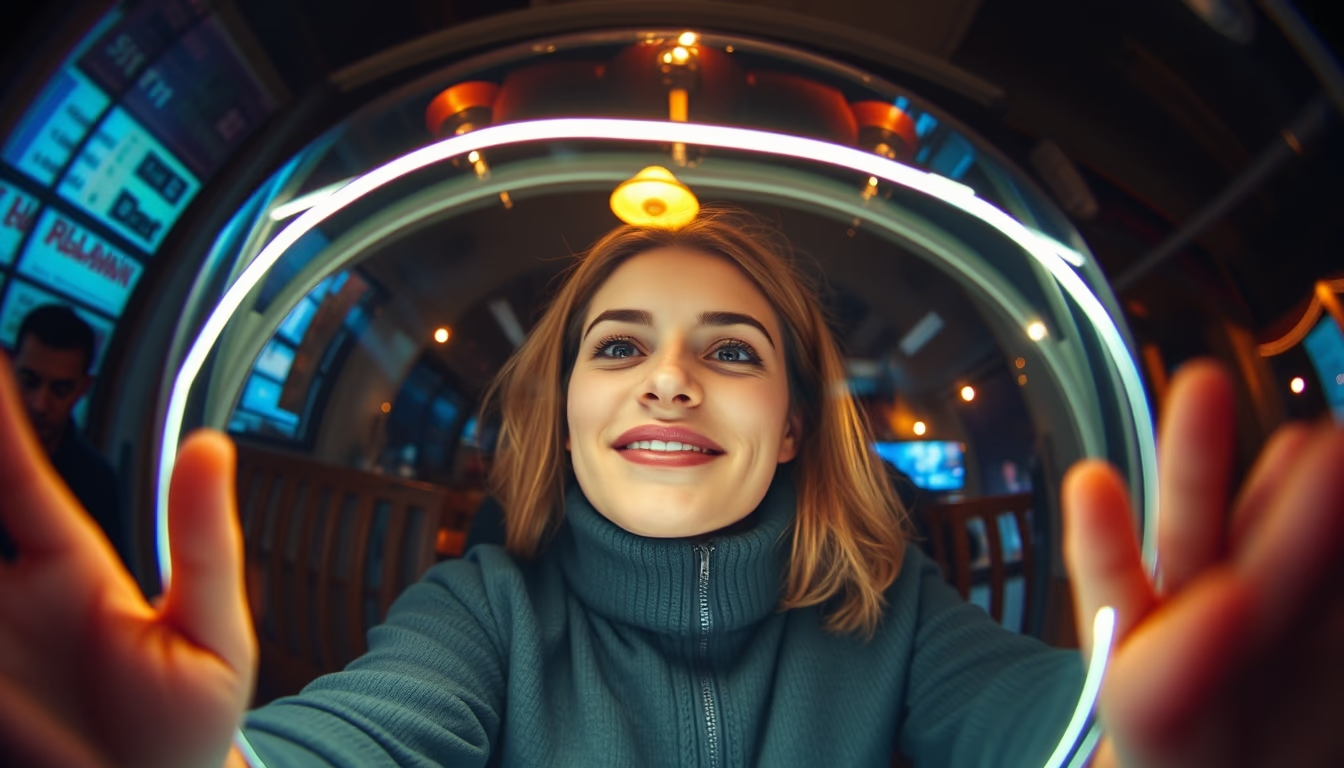
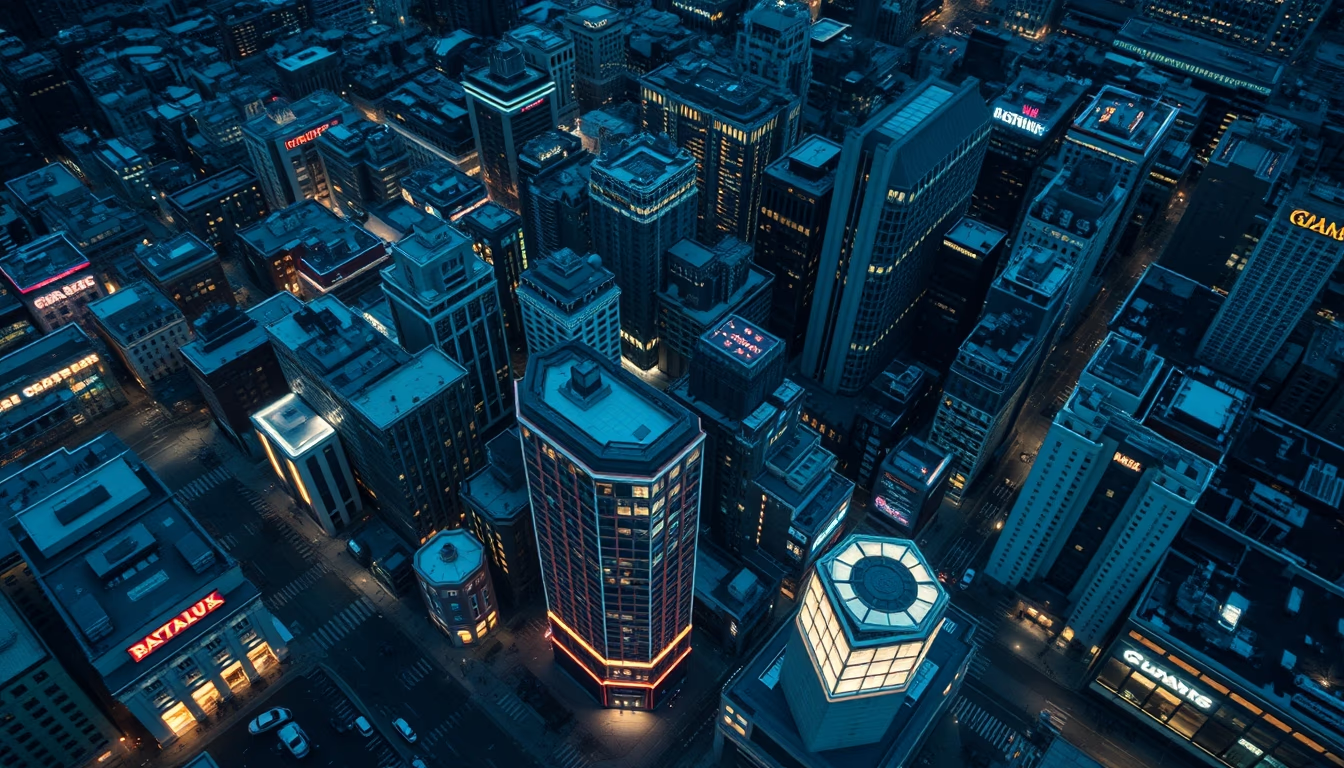
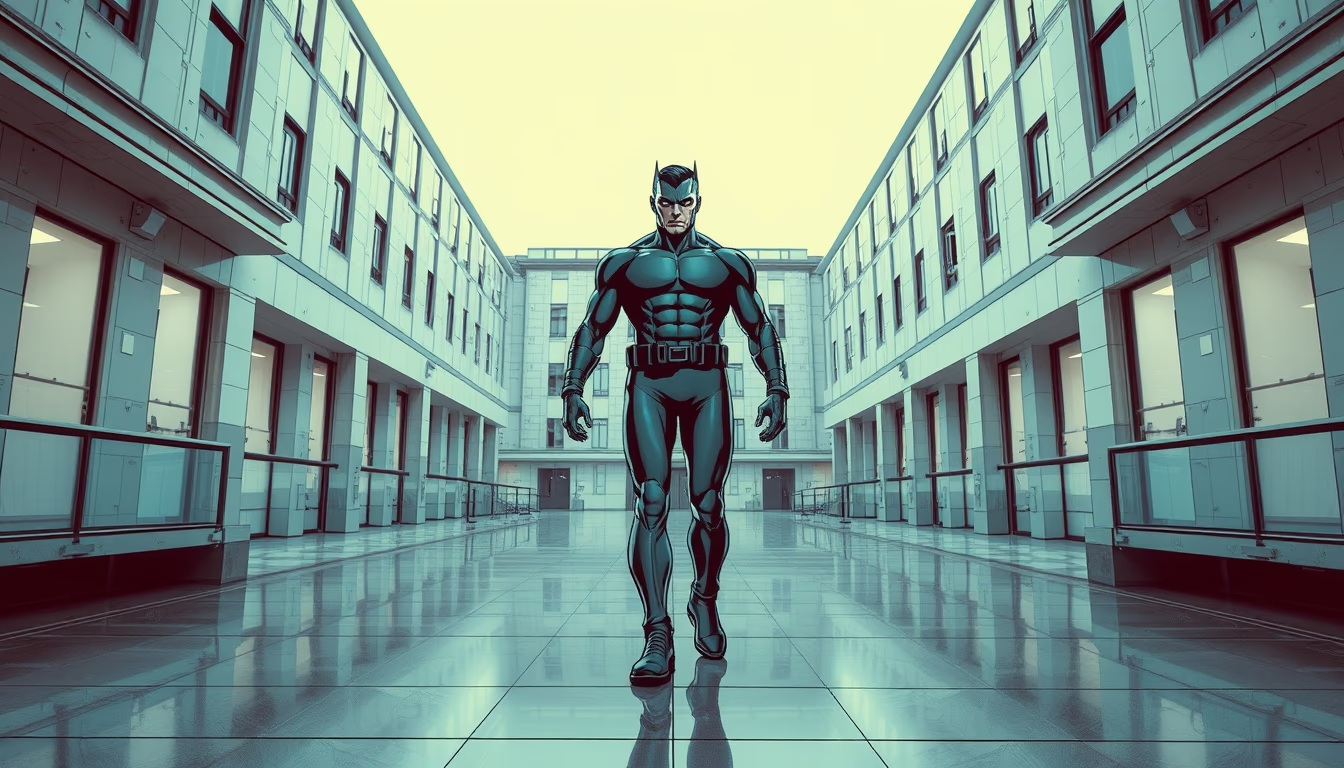
A lightbox is an essential tool for comic artists, used to transfer drawings, refine lines, and create effects like fisheye distortion.
About this subject
A lightbox, also known as a light table, is a device that illuminates a translucent surface from below, allowing the artist to see through layers of paper. In comics, it is indispensable for tracing sketches, transferring inked lines over pencils, or adjusting poses without losing alignment. Pioneers like Will Eisner and Jack Kirby used handmade versions before professional light tables became widespread.
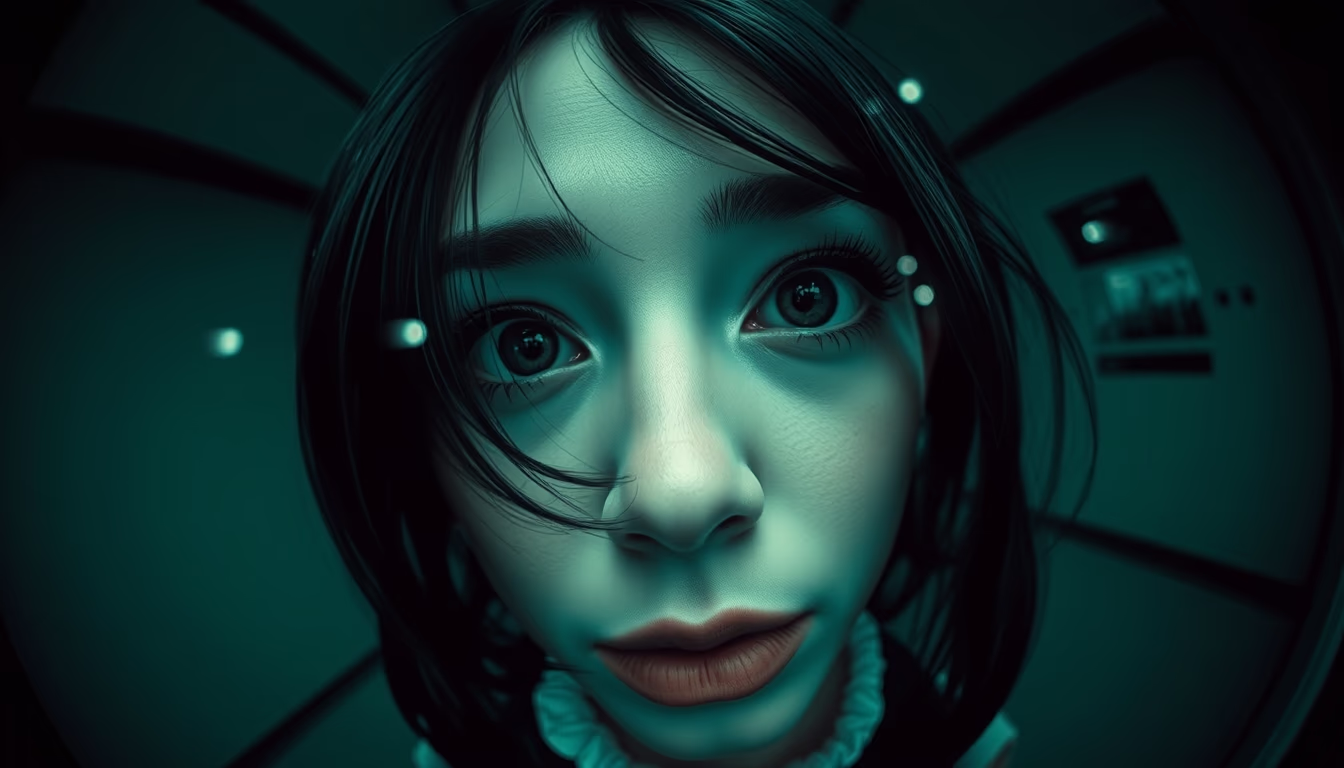
With the rise of tablets and digital software, the traditional lightbox faces competition, but many illustrators still prefer the analog method for the tactile feel and direct contact with paper. The tracing technique is especially useful for composing complex scenes with forced perspective, such as the fisheye effect, which distorts the edges of the image to simulate wide-angle lenses. This effect is common in action and fantasy stories, adding dynamism and depth.
In Brazil, lightboxes are used by both independent comic artists and large studios. Tracing over photographs or references helped consolidate realistic and semi-realistic styles. The 'Wave Fresh 10K' mentioned in the tags refers to a challenge or collective that encourages creating 10,000 drawings on a wave theme, exploring angle and composition variations. The lightbox, in this context, is a central tool for ensuring precision and repeatability in lines.
Fun fact: the first commercial lightbox for artists was patented in 1939 by William T. Golden, but homemade adaptations with wooden boxes and incandescent bulbs existed earlier. Today, LED versions with adjustable color temperature and low energy consumption dominate the market.
Frequently Asked Questions
What is a lightbox used for in comic art?
A lightbox is used to trace or transfer drawings between sheets with precision, allowing artists to refine lines, correct poses, and create perspective effects like fisheye.
What is the difference between analog and digital lightboxes?
Analog lightboxes use paper and physical light, while digital ones use tablets or software layers. Many artists prefer analog for its tactile feedback and lack of latency.
What is the fisheye effect in comics?
It is a perspective distortion that mimics wide-angle lenses, curving the edges of the image to create a sense of immersion and movement, often used in action scenes.
Direct URL
https://pub-c7d6a6ea828543ac903a74a341ccb2e1.r2.dev/imagens/lightbox-tracing-fish-eye-wide-angle-fresh1.avifHow to credit
Include a visible link back to UtilizAí. Copy one of the snippets below:
<a href="https://xn--utiliza-eza.com/en/midia/imagens/lightbox-tracing-fish-eye-wide-angle-fresh1">Lightbox tracing</a> by <a href="https://xn--utiliza-eza.com">UtilizAí</a>, licensed under <a href="https://creativecommons.org/licenses/by/4.0/">CC BY 4.0</a>.
[Lightbox tracing](https://xn--utiliza-eza.com/en/midia/imagens/lightbox-tracing-fish-eye-wide-angle-fresh1) by [UtilizAí](https://xn--utiliza-eza.com), CC BY 4.0
License: CC-BY-4.0