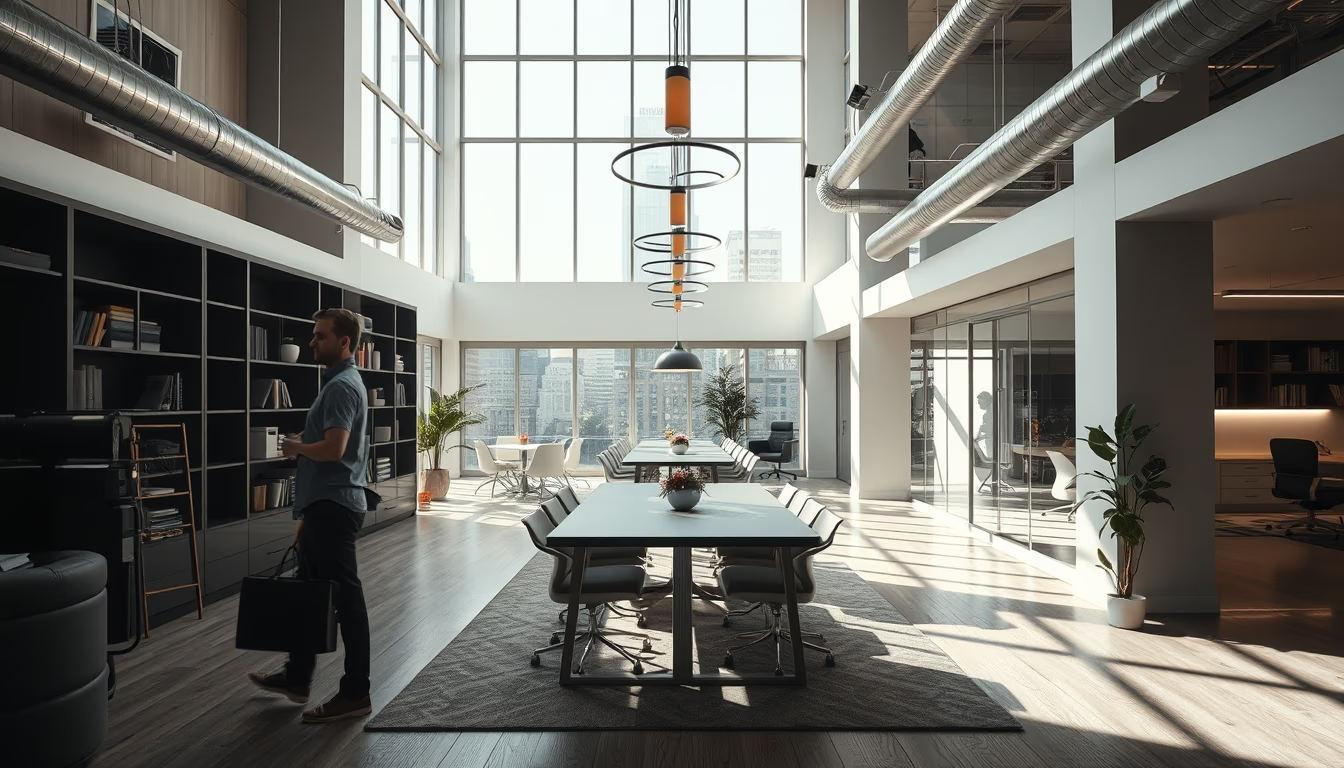
Library study room
1344×768 · AVIF · CC BY 4.0

Library study rooms combine silence, functional design, and aesthetics to create focused environments. Explore the evolution of these spaces.
About this subject
Library study rooms are spaces designed to provide an ideal environment for reading, research, and concentration. They have evolved from simple tables in large silent halls to more private and personalized areas, reflecting the contemporary needs of users. Their importance goes beyond individual study: they also serve as meeting places for academic workgroups, promoting collaboration in a controlled setting.
Historically, public and university libraries have always reserved specific areas for study. In the 19th century, the British Library and the National Library of France already had iconic reading rooms, such as the British Museum Reading Room, which inspired generations of scholars. Over time, the design of these spaces began to incorporate ergonomic, acoustic, and natural lighting principles, influenced by architectural movements like modernism and, more recently, by aesthetic trends such as high-fashion editorial, which values clean lines, noble materials, and dramatic lighting.
In modern design, study rooms prioritize functionality without sacrificing comfort. Adjustable furniture, built-in power outlets, soundproofing, and temperature control are common features. Lighting is carefully planned, combining natural light with directed light points to reduce eye strain. Libraries such as Trinity College (Dublin) and the Seattle Study Library are examples of how design can transform studying into an aesthetic and productive experience.
Interestingly, studies show that the quality of the study environment directly influences information retention and creativity. Well-designed rooms can increase productivity by up to 15%. Moreover, libraries like the Library of Congress (USA) and the Royal Library of Stockholm offer historical rooms that attract tourists and researchers, merging functionality with cultural heritage. With digitization, these rooms have also adapted to provide access to online resources, maintaining their relevance in the 21st century.
Frequently Asked Questions
What are the characteristics of a good library study room?
A good study room should have adequate lighting, soundproofing, ergonomic furniture, available power outlets, and controlled climate. Private or semi-private spaces help with concentration.
How does design influence concentration in study rooms?
Design affects concentration through colors, furniture layout, and control of visual and auditory stimuli. Minimalist and well-lit environments reduce distractions and increase focus.
Are there famous libraries known for their study rooms?
Yes, examples include the British Museum Reading Room in London, Trinity College Library in Dublin, and the Seattle Study Library, known for their iconic design and functionality.
Direct URL
https://pub-c7d6a6ea828543ac903a74a341ccb2e1.r2.dev/imagens/library-study-room-high-fashion-editorial-p5.avifHow to credit
Include a visible link back to UtilizAí. Copy one of the snippets below:
<a href="https://xn--utiliza-eza.com/en/midia/imagens/library-study-room-high-fashion-editorial-p5">Library study room</a> by <a href="https://xn--utiliza-eza.com">UtilizAí</a>, licensed under <a href="https://creativecommons.org/licenses/by/4.0/">CC BY 4.0</a>.
[Library study room](https://xn--utiliza-eza.com/en/midia/imagens/library-study-room-high-fashion-editorial-p5) by [UtilizAí](https://xn--utiliza-eza.com), CC BY 4.0
License: CC-BY-4.0