Level wooden brass
1344×768 · AVIF · CC BY 4.0
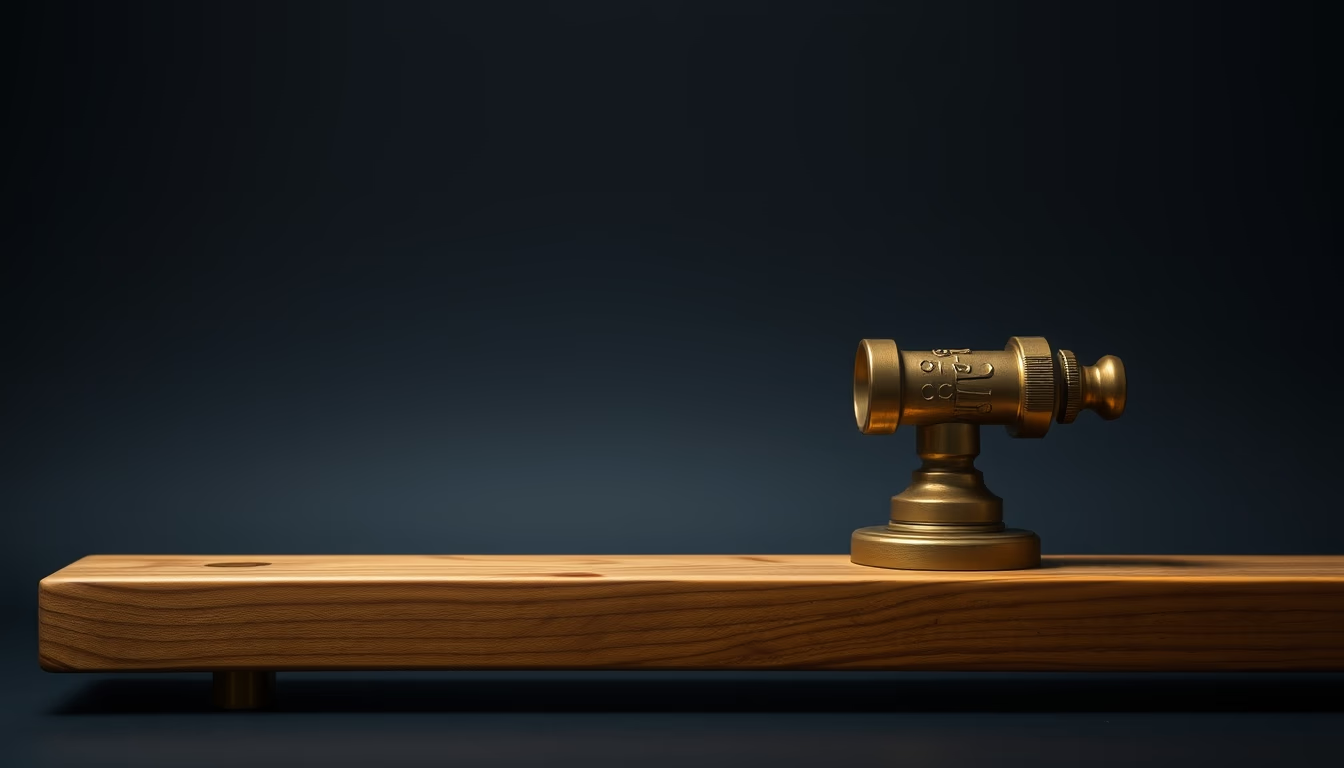
The wooden and brass level is a classic carpentry tool, combining artisanal precision with noble materials from the 19th century.
About this subject
The wooden and brass level, also known as a spirit level or carpenter's level, was an essential tool in construction and woodworking until the mid-20th century. Unlike modern levels made of aluminum or plastic, these instruments were handcrafted from hardwoods such as rosewood or mahogany, with brass reinforcements for durability and dimensional stability. Brass was used at the ends and in moving parts, like the glass tube holders, because it resists corrosion and allows fine adjustments with screws.
The tool works on the principle that an air bubble in a curved glass tube always seeks the highest point. When placed on a surface, the bubble's alignment between two marks indicates whether the surface is level or plumb. Antique versions, such as those made by the Stanley Rule & Level Company, are highly prized by collectors for their precision and aesthetics. Many feature engravings or manufacturer marks, as well as rulers graduated in inches or centimeters.
The shift to lighter, cheaper materials occurred mainly after World War II, with aluminum and plastic becoming widespread. Today, original wooden and brass levels are rare and can fetch high prices at antique auctions. They represent not just a functional tool, but a testament to the skill of blacksmiths and woodworkers of the pre-industrial era. Proper maintenance, such as avoiding moisture and cleaning with linseed oil, preserves both the wood and brass.
Frequently Asked Questions
How to identify an authentic wooden and brass level?
Check for manufacturer markings like 'Stanley' or 'Record', and examine the brass screws. The wood should have natural patina without signs of recent restoration. Original glass tubes usually have minimal bubbles and are secured with glazing putty.
What is the difference between a carpenter's level and a mason's level?
A carpenter's level is typically longer and thinner, with graduated rulers, while a mason's level is sturdier and may have only the central bubble without a scale. Both use the same principle, but materials and finishes vary.
How to preserve an antique wooden and brass level?
Store in a dry environment away from direct sunlight. Clean with a dry cloth, and if needed, apply linseed oil to the wood and polish brass with a suitable product. Avoid disassembling the level, as it may damage the tube alignment.
Direct URL
https://pub-c7d6a6ea828543ac903a74a341ccb2e1.r2.dev/imagens/level-wooden-brass-studio-still-life-fresh10.avifHow to credit
Include a visible link back to UtilizAí. Copy one of the snippets below:
<a href="https://xn--utiliza-eza.com/en/midia/imagens/level-wooden-brass-studio-still-life-fresh10">Level wooden brass</a> by <a href="https://xn--utiliza-eza.com">UtilizAí</a>, licensed under <a href="https://creativecommons.org/licenses/by/4.0/">CC BY 4.0</a>.
[Level wooden brass](https://xn--utiliza-eza.com/en/midia/imagens/level-wooden-brass-studio-still-life-fresh10) by [UtilizAí](https://xn--utiliza-eza.com), CC BY 4.0
License: CC-BY-4.0