Level wooden brass
1344×768 · AVIF · CC BY 4.0
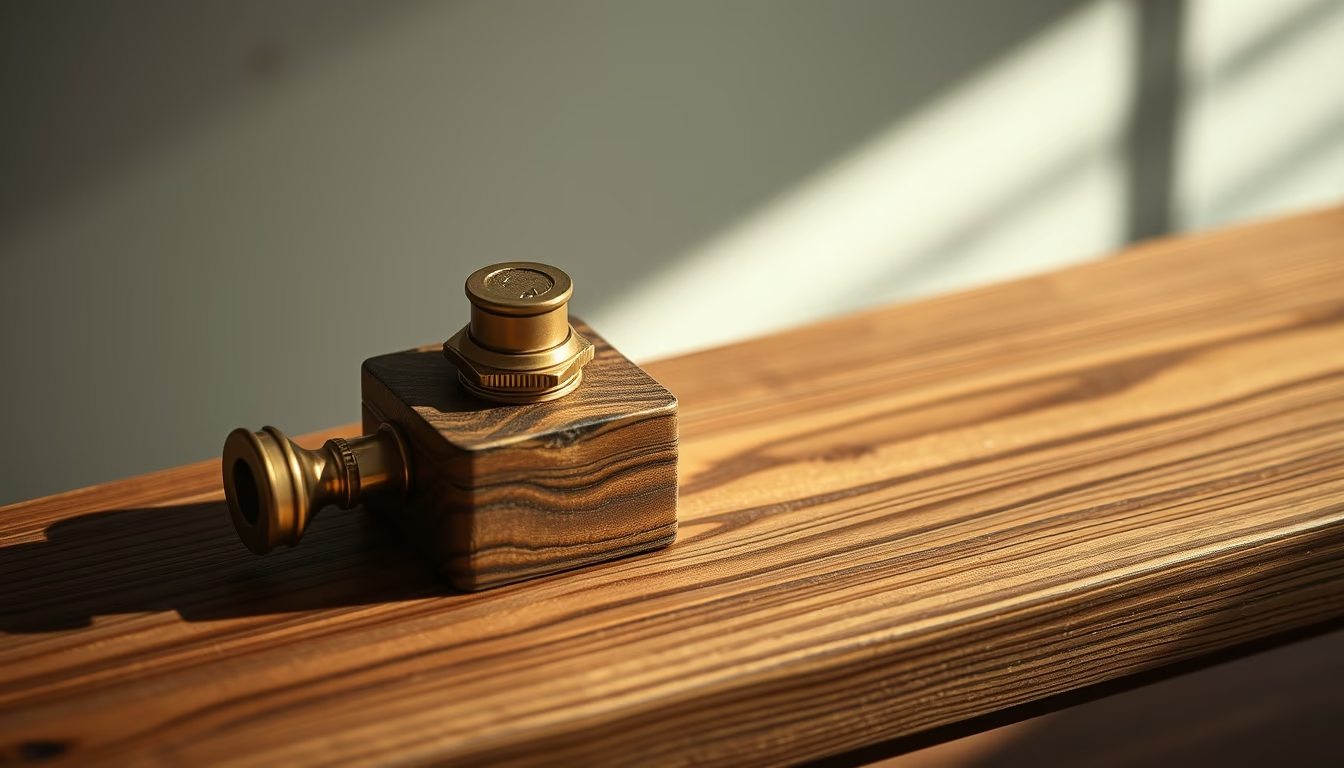
19th-century wooden and brass level, a precision tool used in carpentry and construction.
About this subject
The wooden and brass level is a classic tool for measuring horizontal and vertical alignment, widely used before the advent of laser levels. Handcrafted between the 18th and early 20th centuries, these levels combined a hardwood base, such as rosewood or oak, with cast brass fittings at the ends and center. The brass protected the edges and held the vials, which were filled with alcohol or ether to prevent freezing.
In Brazil, such levels were used by master carpenters and masons in the construction of colonial mansions and baroque churches. Unlike modern industrial models, these levels required manual calibration and often featured three vials: one for level, one for plumb, and one at 45 degrees. Accuracy depended on the quality of the glass and the maker's skill.
Today, antique wooden and brass levels are collector's items, especially those from renowned manufacturers such as Stanley Rule & Level Co. (USA) or Rabone (England). They represent the evolution of metrology before the digital revolution. At antique fairs, a well-preserved example can fetch between $40 and $300, depending on rarity and condition. The brass patina and signs of use are prized by collectors.
Interestingly, many antique levels had a wooden wedge adjustment system to compensate for wear. Handcrafting made each piece unique, with small variations that now serve as hallmarks of authenticity.
Frequently Asked Questions
How can I tell if an antique wooden and brass level is authentic?
Look for manufacturer marks (like Stanley or Rabone) on the brass, original adjustment screws, and natural patina on the metal. The glass vials should be slightly curved and the liquid may have air bubbles, indicating age.
What is the purpose of the three vials on the level?
One vial measures horizontal level, another vertical plumb, and the third at 45 degrees helps check 45° angles, common in window frames and roofs.
Can a wooden and brass level still be used professionally?
Yes, for restoration work or when historical accuracy is desired, but for general use modern levels (laser or digital) are more precise and faster.
Direct URL
https://pub-c7d6a6ea828543ac903a74a341ccb2e1.r2.dev/imagens/level-wooden-brass-magazine-editorial-fresh3.avifHow to credit
Include a visible link back to UtilizAí. Copy one of the snippets below:
<a href="https://xn--utiliza-eza.com/en/midia/imagens/level-wooden-brass-magazine-editorial-fresh3">Level wooden brass</a> by <a href="https://xn--utiliza-eza.com">UtilizAí</a>, licensed under <a href="https://creativecommons.org/licenses/by/4.0/">CC BY 4.0</a>.
[Level wooden brass](https://xn--utiliza-eza.com/en/midia/imagens/level-wooden-brass-magazine-editorial-fresh3) by [UtilizAí](https://xn--utiliza-eza.com), CC BY 4.0
License: CC-BY-4.0