Lens attachment phone
1344×768 · AVIF · CC BY 4.0
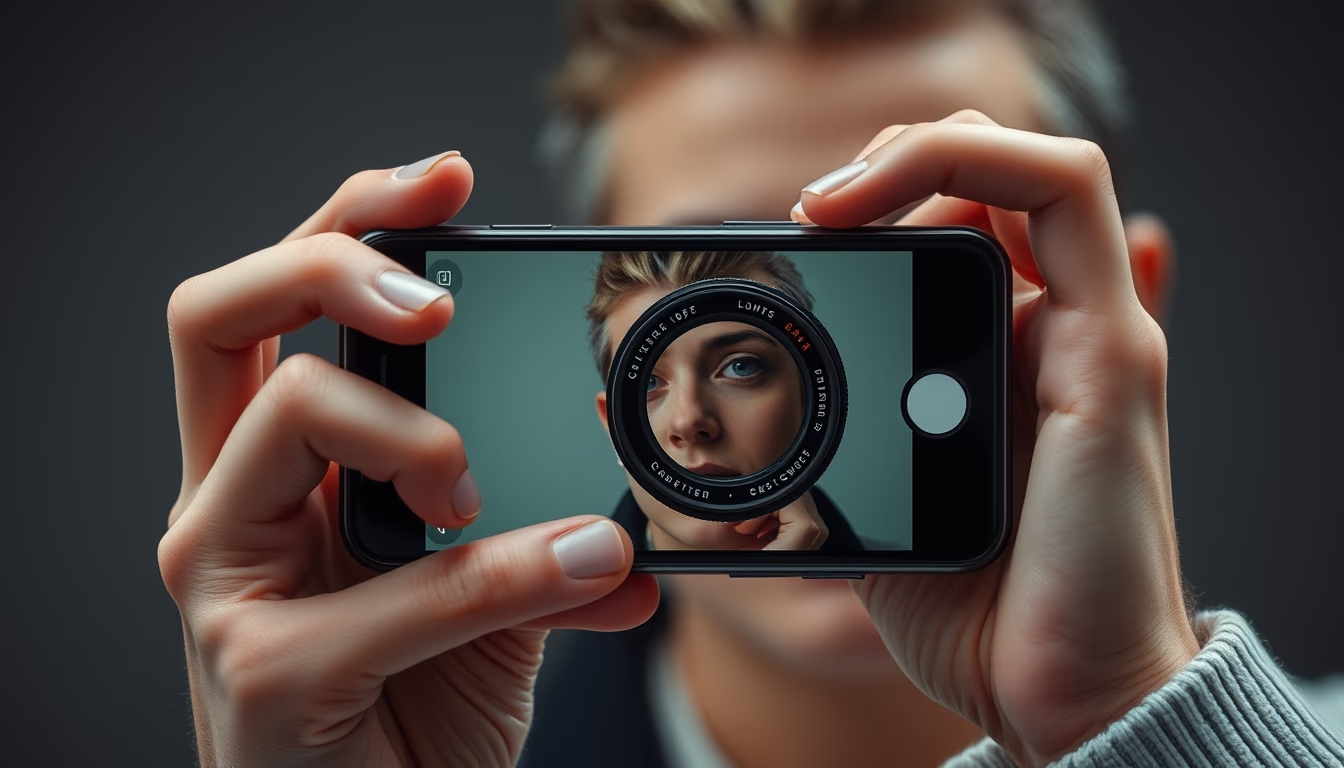
Smartphone lens attachments transform mobile photography, expanding creative possibilities with professional-grade quality.
About this subject
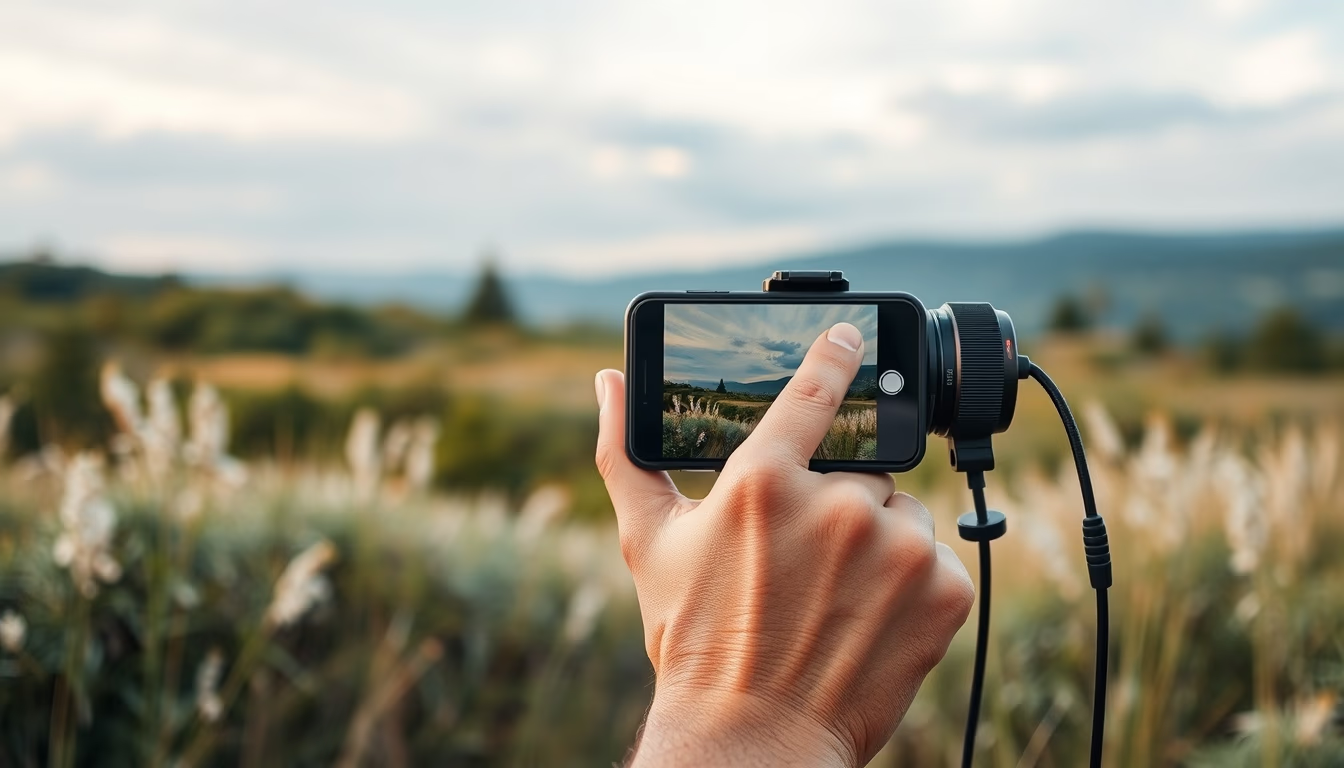
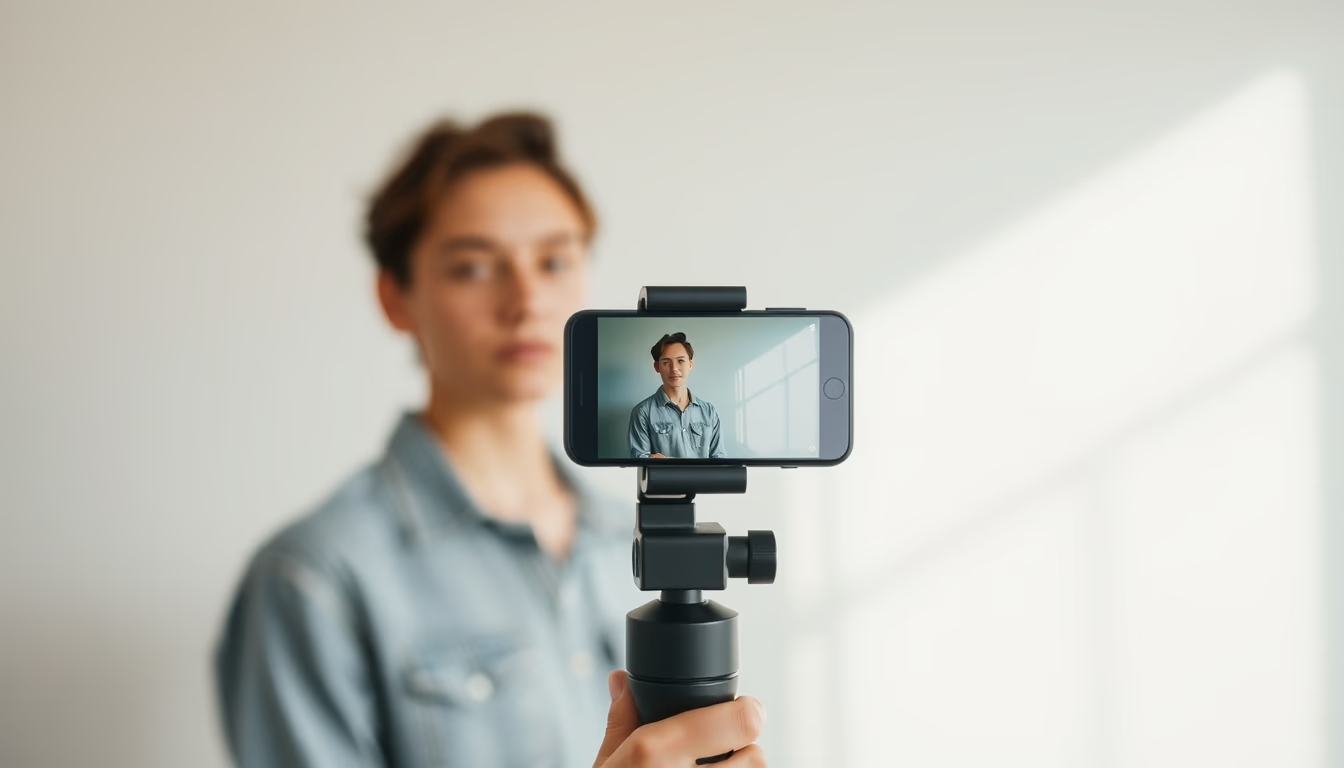
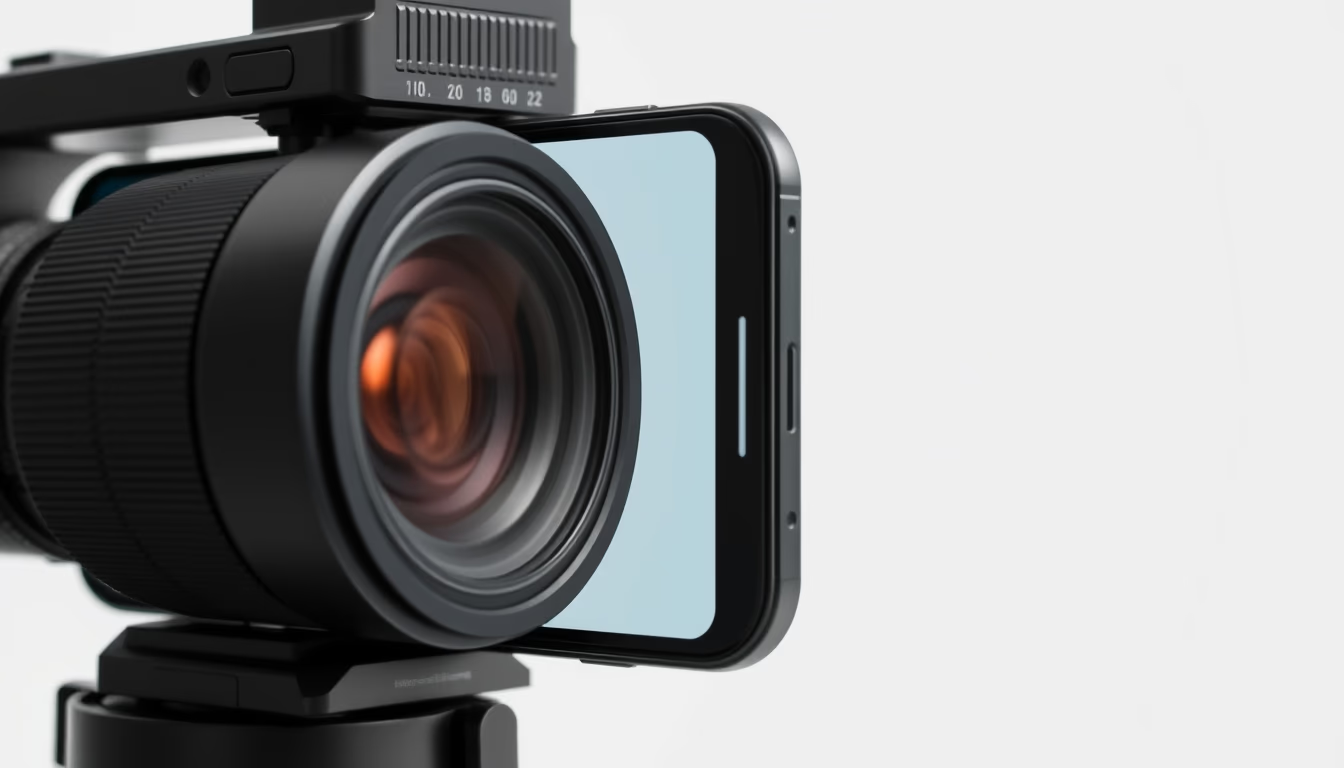
Clip-on lens attachments for smartphones expand the device's photographic capabilities without requiring a dedicated camera. Common types include wide-angle, macro, telephoto, and fisheye, each designed for specific scenarios like landscapes, extreme close-ups, or optical zoom portraits. Their popularity has surged with the rise of social media and mobile photography, making them essential tools for content creators.
The market for smartphone lenses began with early camera phones but gained traction with brands like Moment, Olloclip, and Sandmarc, which introduced high-quality optics. According to Grand View Research, the mobile photography accessories sector is expected to grow at a CAGR of 12.3% through 2027, driven by increased video and image consumption on platforms like Instagram and TikTok. An interesting niche is anamorphic lenses, which distort the image to capture cinematic widescreen proportions, even used in independent filmmaking.
In Brazil, these attachments are popular for travel, events, and everyday recording, with local brands like I2GO and imported ones available on marketplaces. Their portability and lower cost compared to DSLR cameras make them an accessible entry point for enthusiasts wanting to experiment with different perspectives. Optical quality varies based on lens material (glass versus plastic) and the number of elements, directly affecting sharpness and distortion correction.
Frequently Asked Questions
What are the main types of smartphone lens attachments?
The most common are wide-angle (expands field of view), macro (for detailed close-ups), telephoto (optical zoom without quality loss), and fisheye (180-degree distorted effect).
Is it worth investing in lens attachments for smartphones?
Yes, if you want versatility without carrying extra gear. Glass lenses from trusted brands can significantly improve photo quality, especially on phones with already good cameras.
How to choose a quality smartphone lens?
Prioritize lenses with multiple glass elements, metal construction, and a good brand reputation. Avoid cheap plastic lenses, which tend to cause distortions and edge softness.
Direct URL
https://pub-c7d6a6ea828543ac903a74a341ccb2e1.r2.dev/imagens/lens-attachment-phone-film-grain-authentic-fresh1.avifHow to credit
Include a visible link back to UtilizAí. Copy one of the snippets below:
<a href="https://xn--utiliza-eza.com/en/midia/imagens/lens-attachment-phone-film-grain-authentic-fresh1">Lens attachment phone</a> by <a href="https://xn--utiliza-eza.com">UtilizAí</a>, licensed under <a href="https://creativecommons.org/licenses/by/4.0/">CC BY 4.0</a>.
[Lens attachment phone](https://xn--utiliza-eza.com/en/midia/imagens/lens-attachment-phone-film-grain-authentic-fresh1) by [UtilizAí](https://xn--utiliza-eza.com), CC BY 4.0
License: CC-BY-4.0