Leather workshop knives
1344×768 · AVIF · CC BY 4.0
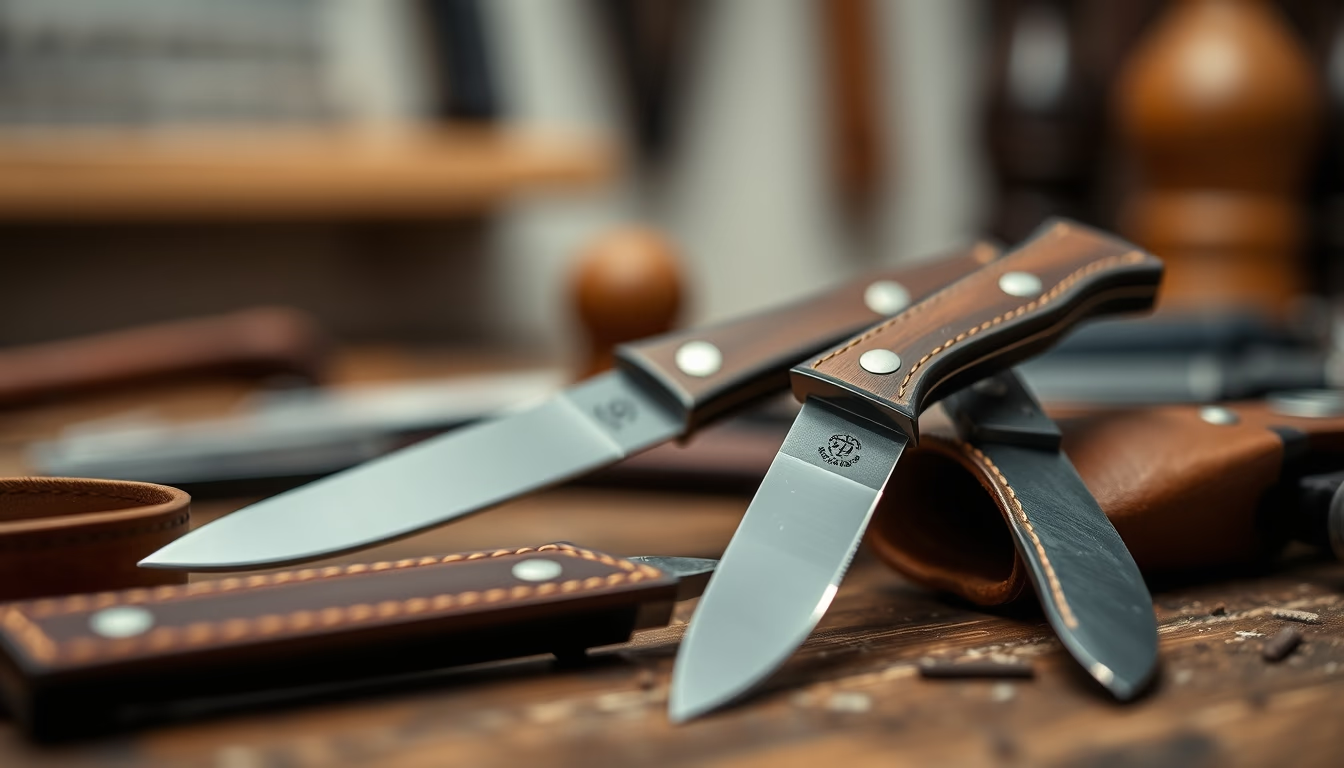
Leather workshop knives are specialized tools for cutting, skiving, and shaping leather pieces in crafts and saddlery.
About this subject
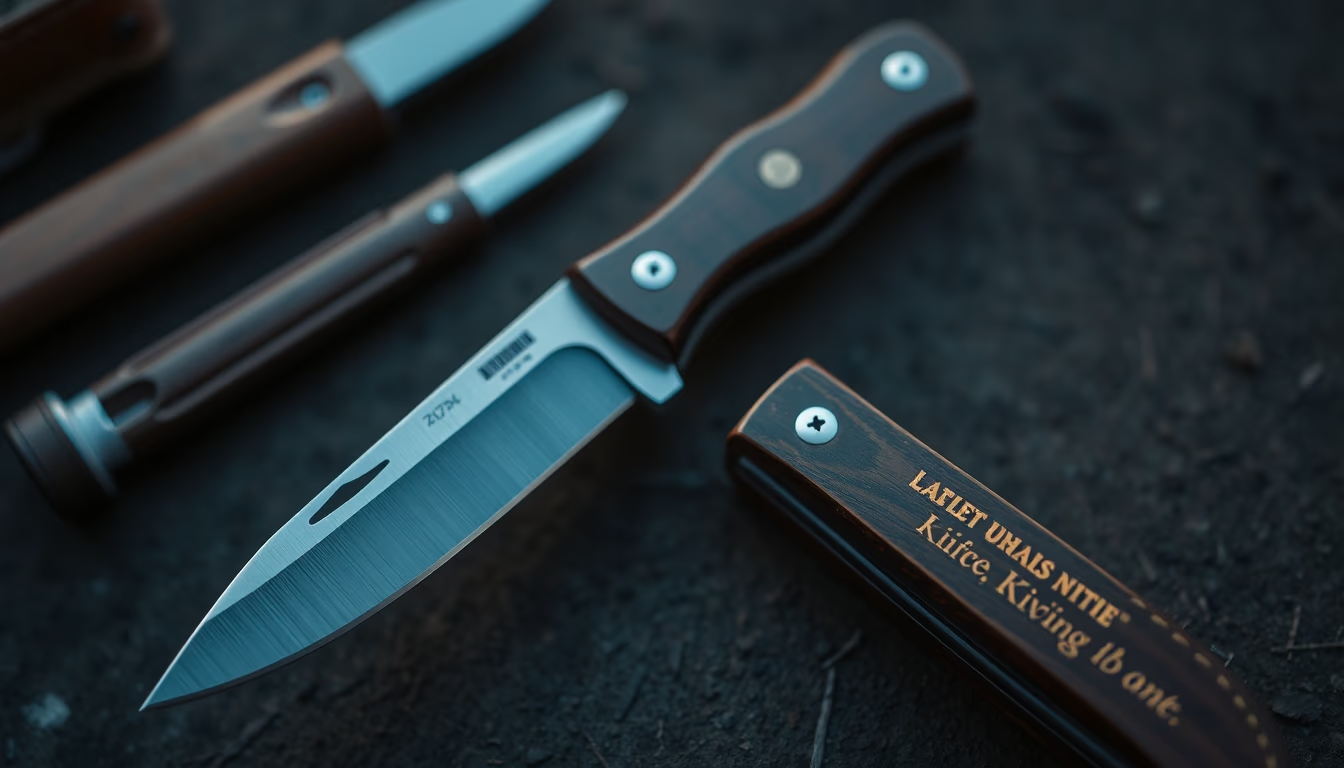
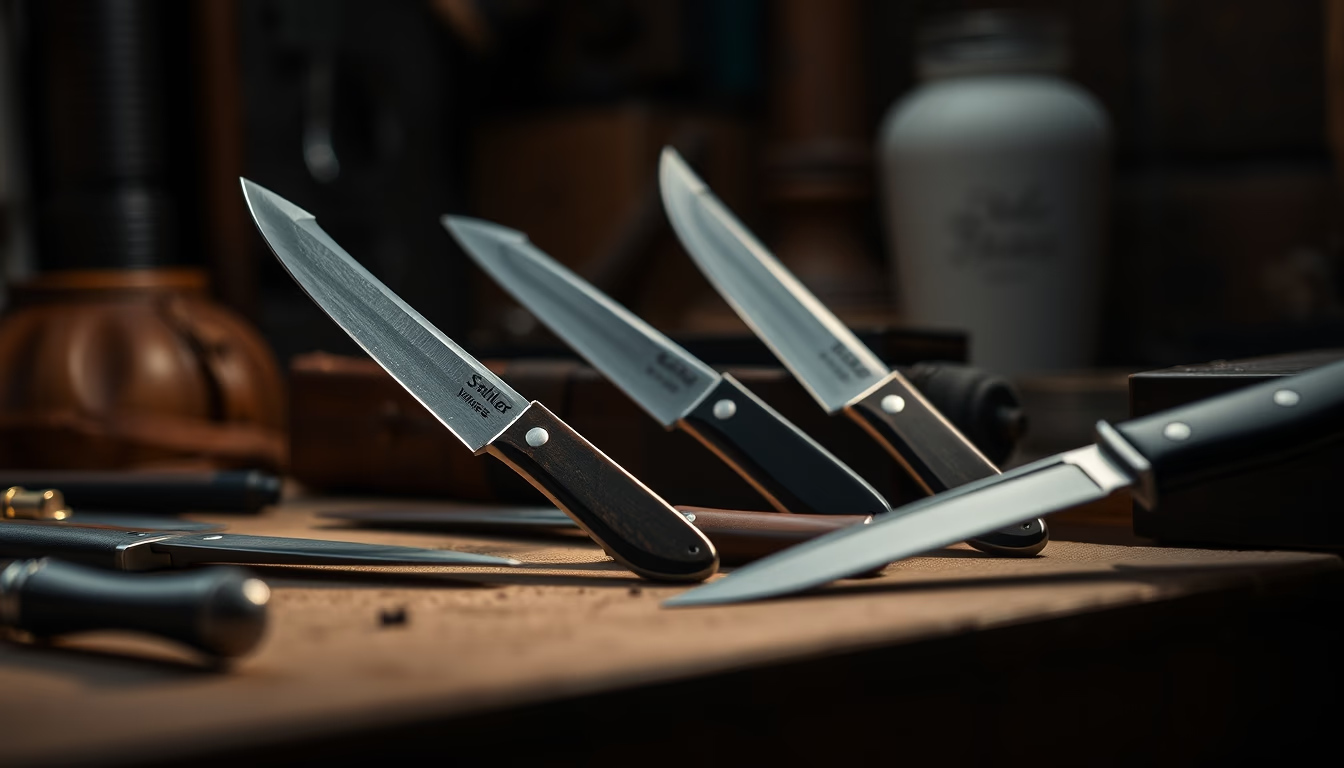
Leather workshop knives form the foundation of leathercraft, used by artisans to turn raw hides into functional and decorative items. Key types include the skiving knife (half-moon knife), essential for thinning edges and reducing leather thickness without cutting through, and the beveler knife, which creates rounded edges on belts and bags. The utility knife, with a straight triangular blade, is used for precise straight cuts and fine details, while the round knife features a curved blade for versatile cutting and skiving large areas. All these tools require blades made of carbon steel or hardened stainless steel, which hold an edge longer and can be resharpened using water stones, files, or leather strops.
The history of leather workshop knives dates back to ancient Egypt, Greece, and Rome, where metal tools were used to process hides. During the Middle Ages, guilds regulated the production of knives for saddlers and shoemakers, often crafting custom handles carved with personal motifs. Proper maintenance is critical: a dull knife can tear leather instead of cutting it, ruining the finish. Experienced craftsmen sharpen blades at angles between 15 and 20 degrees, depending on the intended cut.
Interestingly, the skiving knife is often mistaken for a utility knife, but its function is opposite: while the utility knife separates leather, the skiving knife thins it without separation. The choice of steel also affects performance: carbon steel is easier to sharpen and holds a keener edge but rusts if not cleaned and oiled after use. Stainless steel resists corrosion but is harder to sharpen to the fine edge needed for soft leather. Beginners are advised to start with a basic kit containing a skiving knife, a utility knife, and a dual-grit sharpening stone.
Frequently Asked Questions
What is the main difference between a skiving knife and a utility knife for leather?
A skiving knife (half-moon knife) is designed to thin and reduce leather thickness without cutting through, while a utility knife is used for precise cuts that separate the material.
How can I keep my leather knife sharp?
Use a water stone or file to resharpen the blade regularly at a 15-20 degree angle, finishing with a leather strop to polish the edge. Keep the blade clean and dry to prevent rust.
Which steel is better for leather knives: carbon or stainless?
Carbon steel is easier to sharpen and provides a keener edge but requires maintenance against rust. Stainless steel is more corrosion-resistant but harder to sharpen to the ideal fineness.
Direct URL
https://pub-c7d6a6ea828543ac903a74a341ccb2e1.r2.dev/imagens/leather-workshop-knives-tilt-shift-miniature-fresh17.avifHow to credit
Include a visible link back to UtilizAí. Copy one of the snippets below:
<a href="https://xn--utiliza-eza.com/en/midia/imagens/leather-workshop-knives-tilt-shift-miniature-fresh17">Leather workshop knives</a> by <a href="https://xn--utiliza-eza.com">UtilizAí</a>, licensed under <a href="https://creativecommons.org/licenses/by/4.0/">CC BY 4.0</a>.
[Leather workshop knives](https://xn--utiliza-eza.com/en/midia/imagens/leather-workshop-knives-tilt-shift-miniature-fresh17) by [UtilizAí](https://xn--utiliza-eza.com), CC BY 4.0
License: CC-BY-4.0