Leather dyeing vat
1344×768 · AVIF · CC BY 4.0
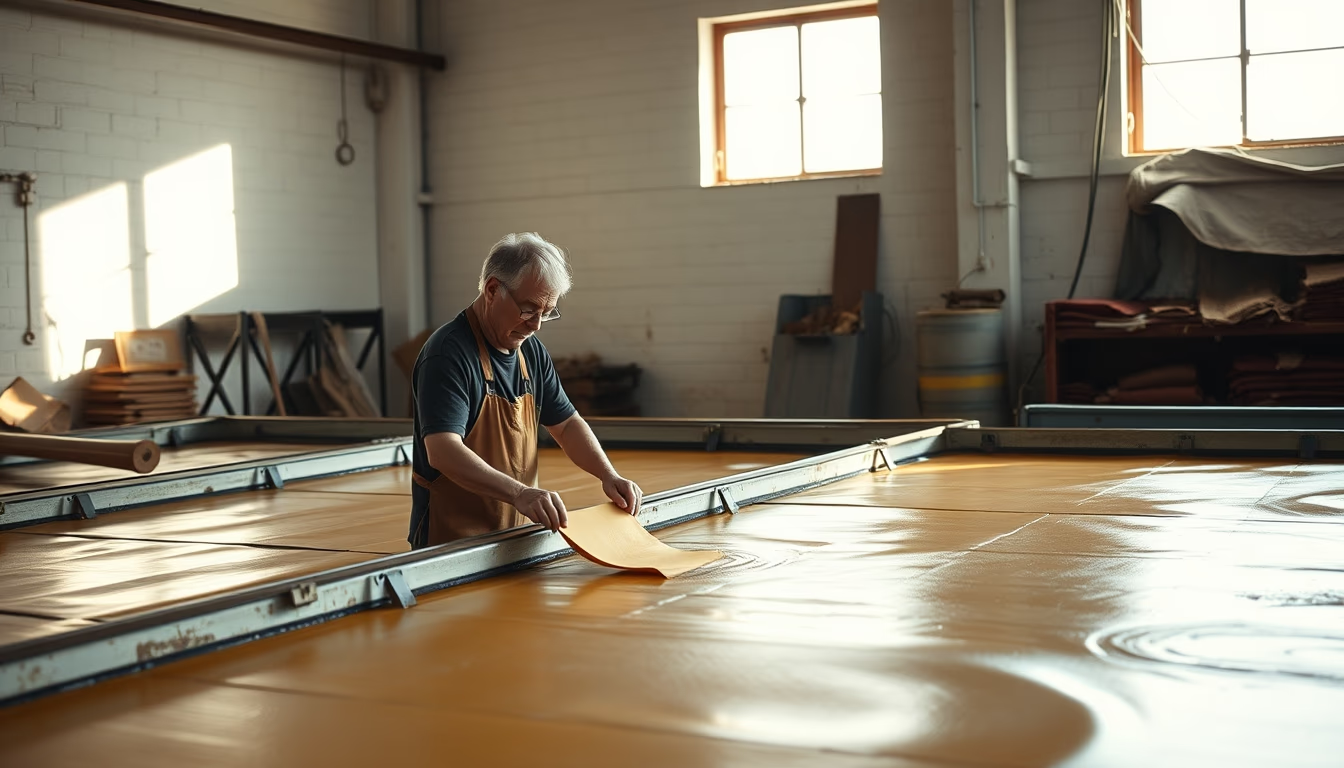
Leather dyeing vat, an essential equipment in the tanning process that ensures color and durability to the material.
About this subject
The leather dyeing vat is a container used in the tanning industry to apply dyes to leather after the tanning process. Traditionally made of wood, such as oak or pine, or stainless steel for greater chemical resistance, the vat can have various shapes: rectangular for manual immersion or cylindrical for rotary systems. The dyeing process involves submerging the leather in a solution of dyes, water, and chemical auxiliaries, such as acids or bases, that regulate color absorption. Temperature and immersion time are controlled to ensure uniformity; longer dyeing produces deeper colors. There are two main methods: drum dyeing in rotating drums, which is more efficient for large batches, and manual dyeing in open vats, common in craftsmanship and specialty leathers. Interestingly, the technique of dyeing leather dates back to ancient civilizations; Egyptians used plant dyes like indigo and henna. Today, synthetic aniline dyes dominate, but there is a movement back to natural dyes, such as walnut hull and annatto, especially in vegan and sustainable leathers. Vat maintenance is critical to prevent cross-contamination of colors and ensure final leather quality.
Frequently Asked Questions
What is the difference between open vat dyeing and drum dyeing?
Open vat dyeing is manual and used for small batches or specialty leathers, allowing greater visual control. Drum dyeing is automated, ideal for large volumes, ensuring uniformity and efficiency.
What types of dyes are used in leather dyeing vats?
They can be synthetic aniline dyes, offering a wide color range and high fixation, or natural vegetable dyes, such as indigo and chestnut extract, used in artisanal and sustainable processes.
How is the maintenance of a leather dyeing vat done?
Maintenance includes regular cleaning to remove dye residues, inspection for corrosion in metal vats, and replacement of damaged parts. Wooden vats need proper drying to prevent mold.
Direct URL
https://pub-c7d6a6ea828543ac903a74a341ccb2e1.r2.dev/imagens/leather-dyeing-vat-documentary-photography-fresh18.avifHow to credit
Include a visible link back to UtilizAí. Copy one of the snippets below:
<a href="https://xn--utiliza-eza.com/en/midia/imagens/leather-dyeing-vat-documentary-photography-fresh18">Leather dyeing vat</a> by <a href="https://xn--utiliza-eza.com">UtilizAí</a>, licensed under <a href="https://creativecommons.org/licenses/by/4.0/">CC BY 4.0</a>.
[Leather dyeing vat](https://xn--utiliza-eza.com/en/midia/imagens/leather-dyeing-vat-documentary-photography-fresh18) by [UtilizAí](https://xn--utiliza-eza.com), CC BY 4.0
License: CC-BY-4.0