Cobbler workbench
1344×768 · AVIF · CC BY 4.0
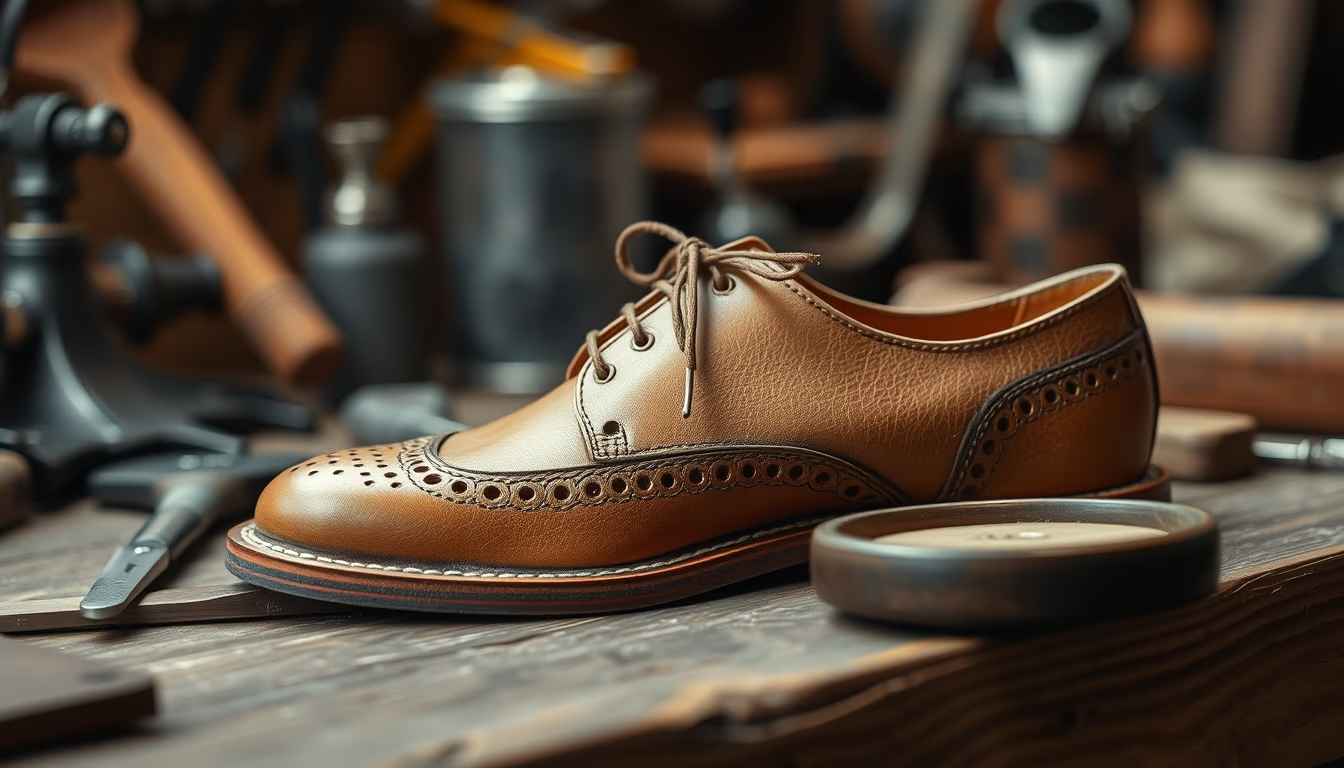
A cobbler's workbench is a workspace full of tools and tradition, where leather is transformed into durable and functional footwear.
About this subject
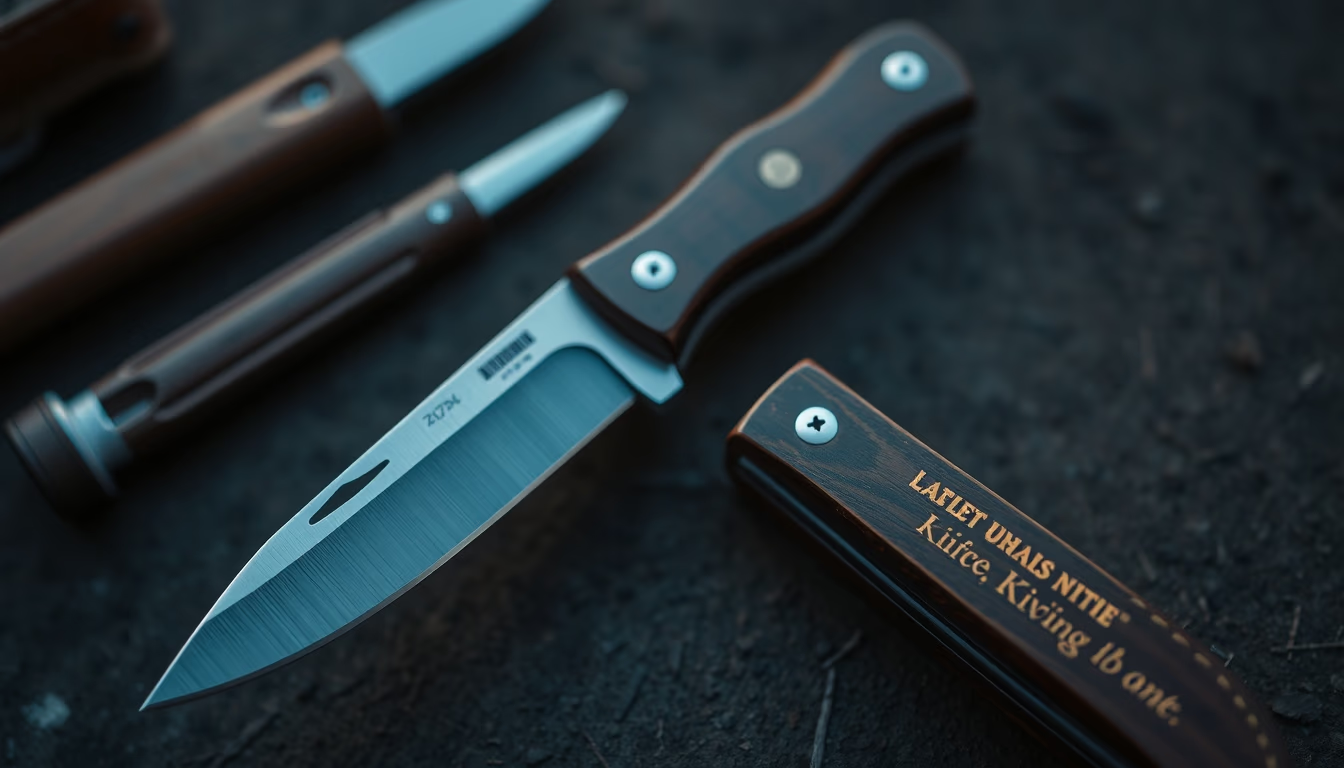
The cobbler's workbench, known as the 'lasting bench', is the heart of handmade footwear production. Traditionally made of solid wood, it is designed to withstand the constant impact of hammers, lasts, awls, and cutting knives. The surface is usually smooth and durable, often covered with a leather apron to protect the wood and prevent the shoe from slipping during work.
Essential tools such as the 'clamp' (or 'horse'), used to hold the shoe while stitching or attaching soles, are fixed to the bench. Other common items include the 'sharpening stone' for keeping blades sharp, the 'wooden last' that gives shape to the shoe, and various needles, waxed threads, and nails. The arrangement of these objects reflects the workflow and the craftsman's experience.
The cobbler profession has ancient roots, dating back to early civilizations. In Brazil, it arrived with European colonizers and adapted to local materials and needs. Despite industrialization, many artisanal shoe shops still operate in fairs and historic centers, preserving techniques such as hand-stitching and custom fitting. The cobbler's workbench is a symbol of this cultural heritage, where each mark and wear tells stories of dedicated craftsmanship.
Frequently Asked Questions
What are the main tools found on a cobbler's workbench?
The main tools include hammers, wooden lasts, awls (curved needles), cutting knives, sharpening stones, clamps or horses, as well as waxed threads, nails, and glue. Each serves a specific function in the process of making or repairing footwear.
Why is the workbench important in handmade shoe production?
The workbench is where all assembly and finishing of the shoe takes place. It provides a stable and durable surface for fixing tools and performing operations such as stitching, sole attachment, and shaping. Its organized layout is crucial for the craftsman's efficiency and precision.
Does the artisanal cobbler profession still exist in Brazil?
Yes, although fewer in number, artisanal cobblers still operate in Brazil, especially in historic cities and craft fairs. They maintain traditional techniques and offer repair services and custom-made footwear, representing a trade that resists industrialization.
Direct URL
https://pub-c7d6a6ea828543ac903a74a341ccb2e1.r2.dev/imagens/cobbler-workbench-macro-closeup-fresh18.avifHow to credit
Include a visible link back to UtilizAí. Copy one of the snippets below:
<a href="https://xn--utiliza-eza.com/en/midia/imagens/cobbler-workbench-macro-closeup-fresh18">Cobbler workbench</a> by <a href="https://xn--utiliza-eza.com">UtilizAí</a>, licensed under <a href="https://creativecommons.org/licenses/by/4.0/">CC BY 4.0</a>.
[Cobbler workbench](https://xn--utiliza-eza.com/en/midia/imagens/cobbler-workbench-macro-closeup-fresh18) by [UtilizAí](https://xn--utiliza-eza.com), CC BY 4.0
License: CC-BY-4.0