Leather workshop knives
1344×768 · AVIF · CC BY 4.0
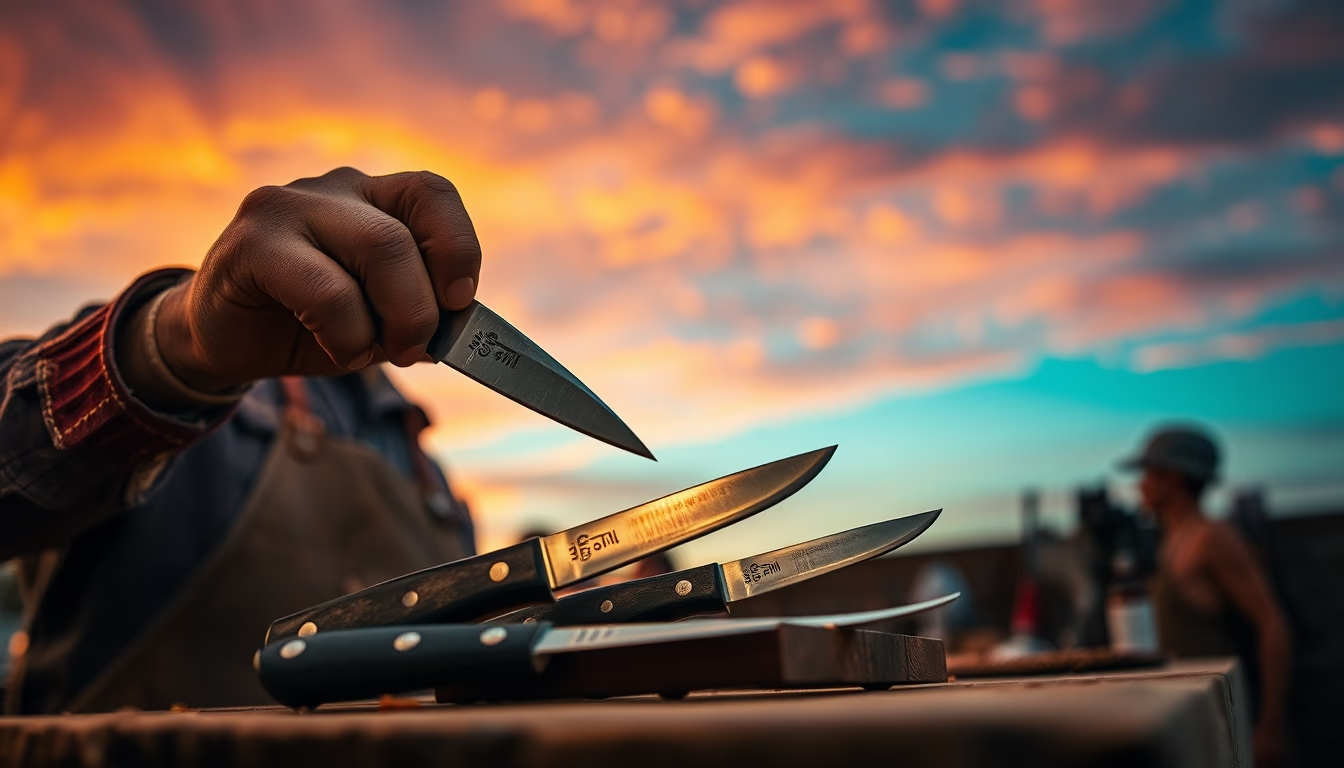
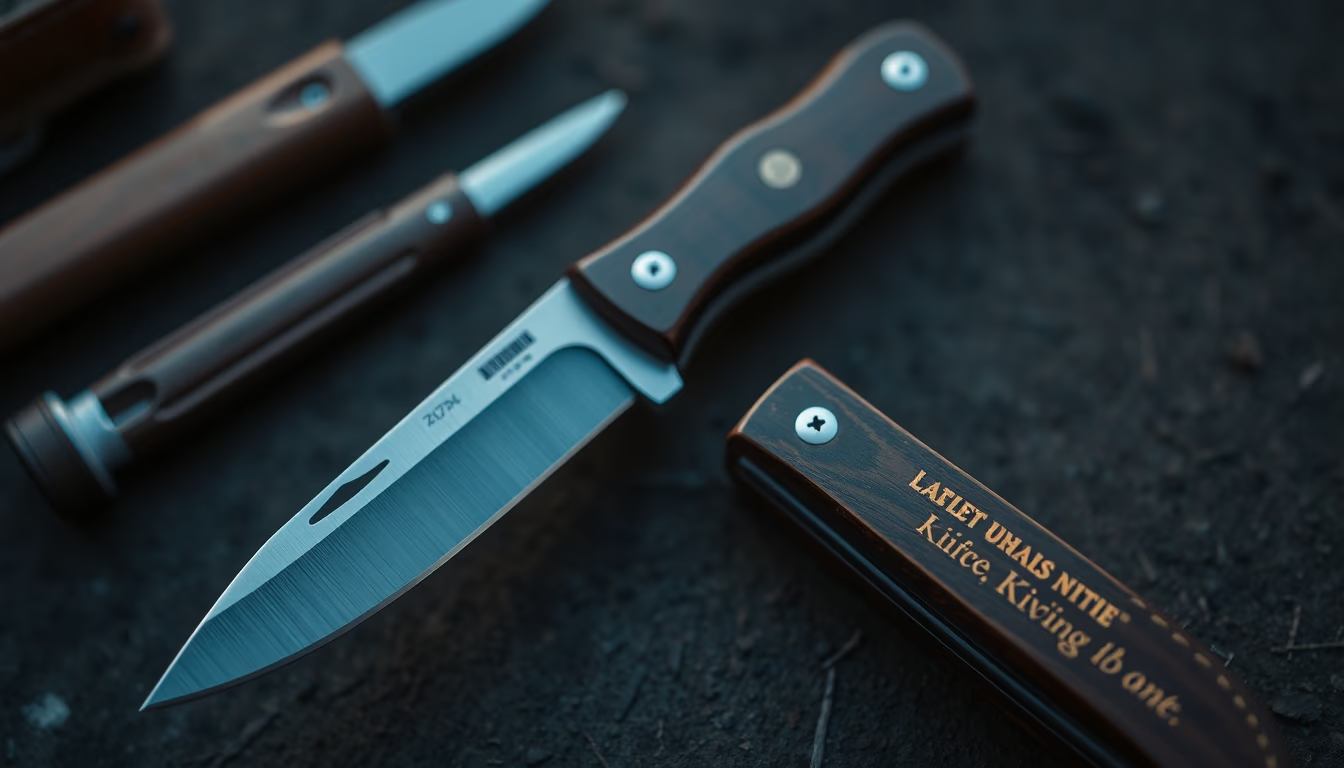
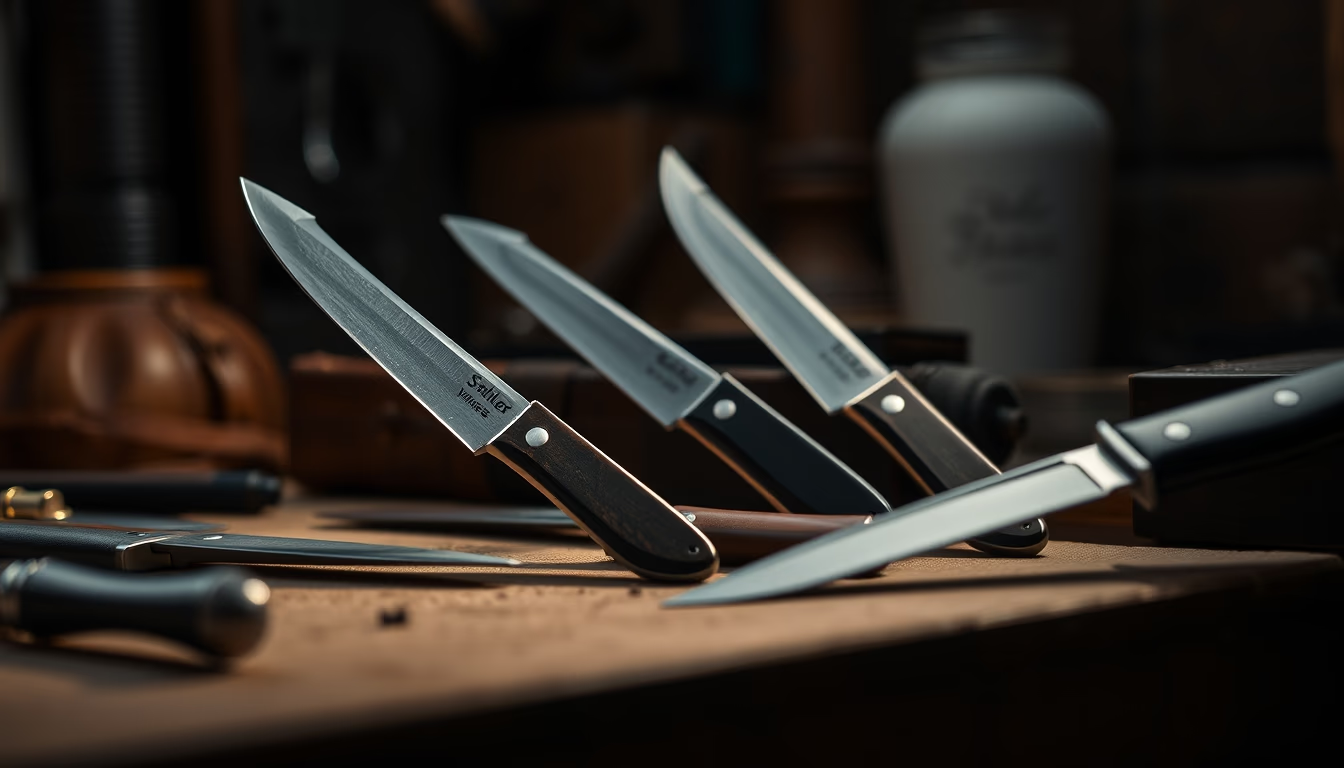
Leather workshop knives are essential tools for cutting, skiving, and shaping leather with precision.
About this subject
In the world of leathercraft, knives are fundamental tools that determine the quality and finish of the pieces. Among the most common models are the skiving knife, used to reduce leather thickness at edges and seams; the head knife, with a wide curved blade ideal for curved cuts and edge finishing; and the round knife, which allows straight and curved cuts with great control. Each has a specific blade profile, typically made of carbon steel or stainless steel, and requires frequent sharpening to maintain its edge.
The round knife, for example, emerged in the 19th century and became a standard in saddleries and leather workshops worldwide. Its crescent-shaped blade enables continuous movements without lifting the tool from the material, speeding up work. The skiving knife, on the other hand, has a straight or slightly curved blade with a bevel on only one side, facilitating depth control when thinning leather. The choice of knife type depends on the process stage: cutting raw pieces, skiving folds, trimming edges, or performing fine finishes.
Maintenance is crucial: knives must be kept sharp with water stones or a strop, and carbon steel requires care against oxidation, such as regular oiling. Many artisans prefer high-carbon steels like O1 or 1095 for their edge retention. Additionally, handle shape affects comfort and safety: ergonomic wooden or plastic handles reduce fatigue during long sessions. Knowledge of these tools distinguishes a seasoned professional from an amateur, as each cut directly impacts the final result of the piece, whether a wallet, belt, or bag.
Frequently Asked Questions
What is the difference between a round knife and a head knife?
A round knife has a crescent-shaped blade used for straight and curved cuts, while a head knife has a wide curved blade ideal for edge finishing and curved cuts. The round knife is more versatile for continuous cuts; the head knife offers greater control in details.
How to properly sharpen a leather knife?
Use water stones with fine grit (1000 to 6000) or a strop with abrasive compound. Maintain the original bevel angle (usually 15 to 20 degrees) and finish with passes on leather to align the edge. Sharpen frequently to avoid a dull blade.
Which steel is best for leather knives?
Carbon steels like O1, 1095, or 1080 are preferred by many artisans for their edge retention and ease of sharpening. Stainless steels like 440C are more corrosion-resistant but can be harder to sharpen. The choice depends on the balance between edge durability and maintenance.
Direct URL
https://pub-c7d6a6ea828543ac903a74a341ccb2e1.r2.dev/imagens/leather-workshop-knives-long-exposure-fresh14.avifHow to credit
Include a visible link back to UtilizAí. Copy one of the snippets below:
<a href="https://xn--utiliza-eza.com/en/midia/imagens/leather-workshop-knives-long-exposure-fresh14">Leather workshop knives</a> by <a href="https://xn--utiliza-eza.com">UtilizAí</a>, licensed under <a href="https://creativecommons.org/licenses/by/4.0/">CC BY 4.0</a>.
[Leather workshop knives](https://xn--utiliza-eza.com/en/midia/imagens/leather-workshop-knives-long-exposure-fresh14) by [UtilizAí](https://xn--utiliza-eza.com), CC BY 4.0
License: CC-BY-4.0