Leather workshop knives
1344×768 · AVIF · CC BY 4.0
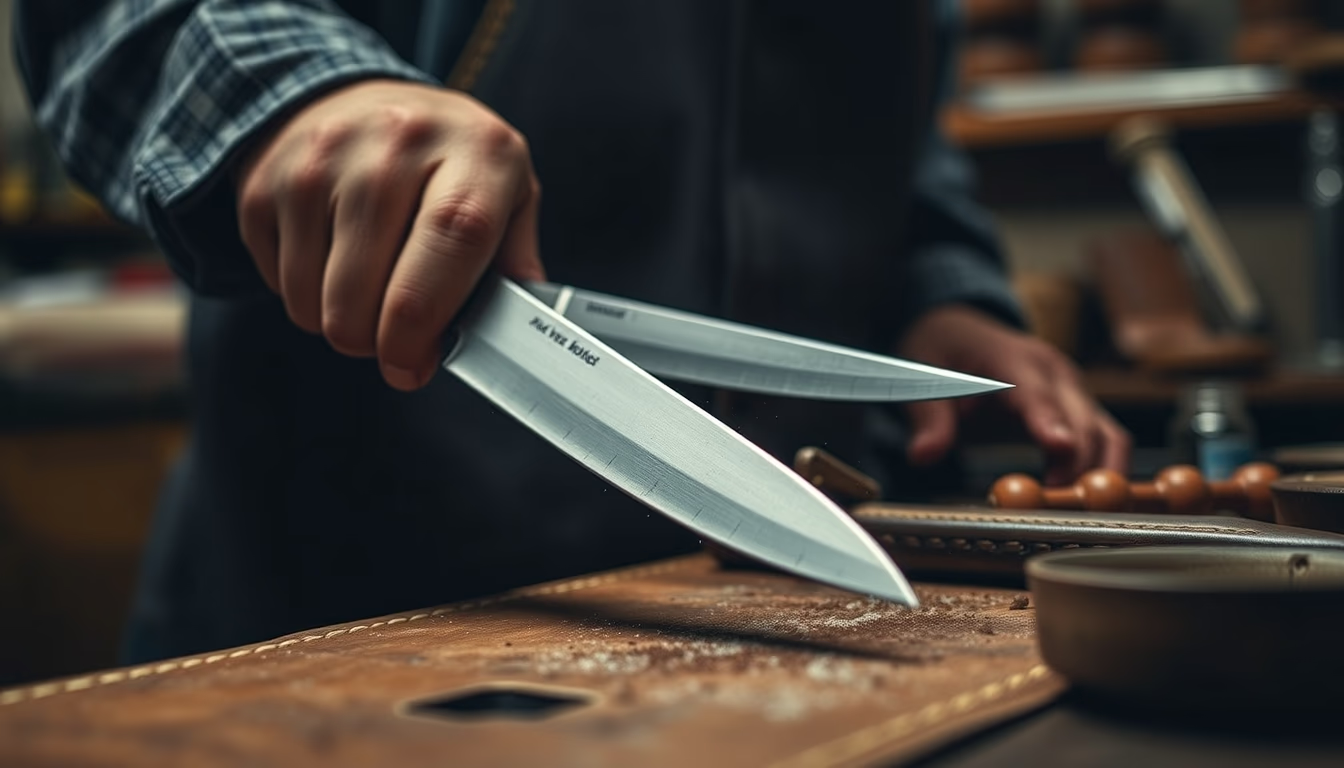
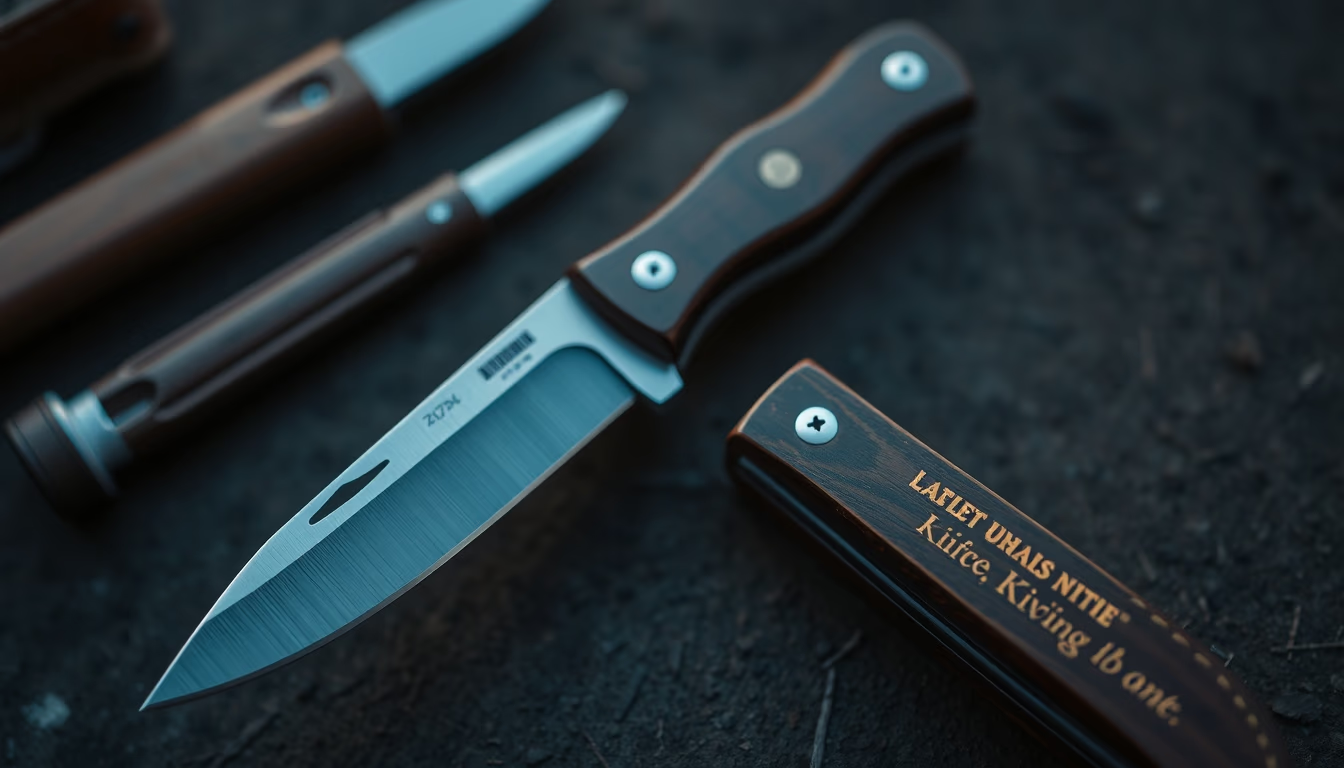
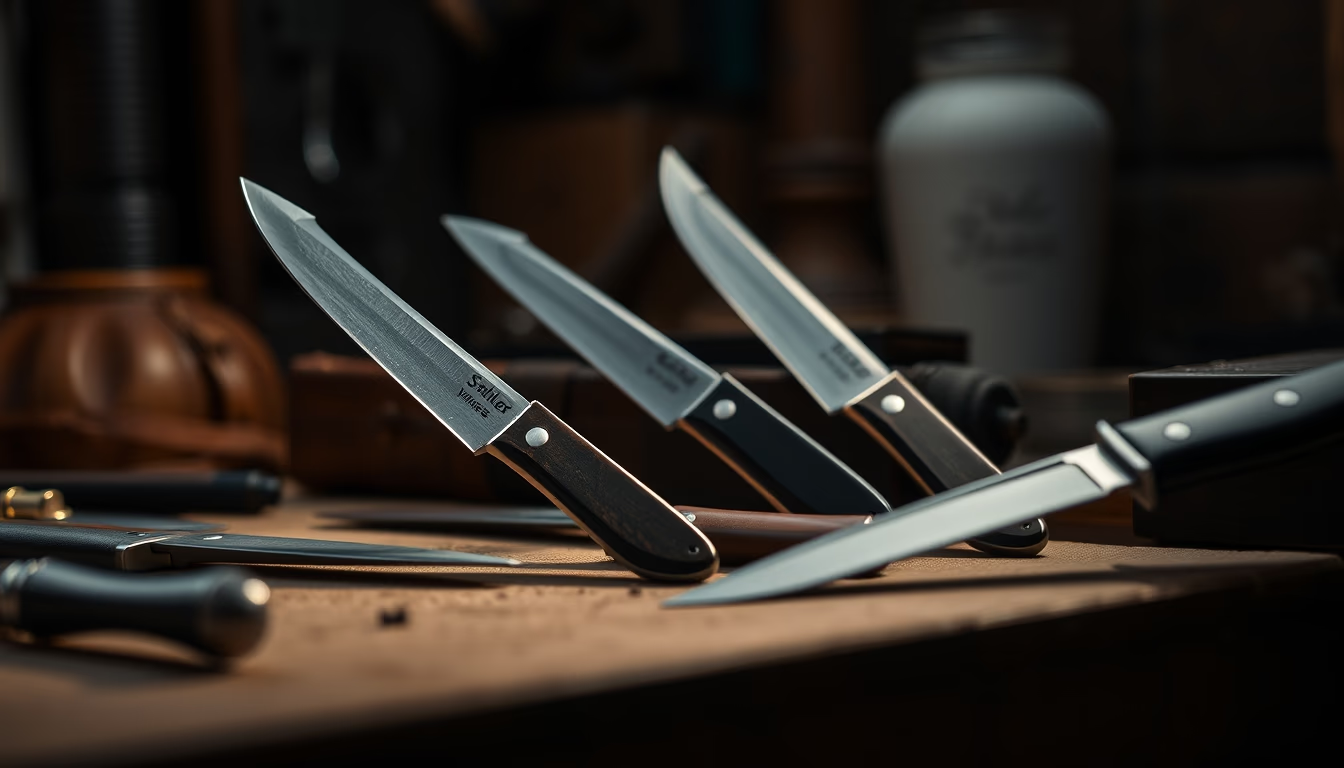
Leatherworking knives are essential tools in the craft, each with a specific design for cutting, skiving, and finishing.
About this subject
Leatherworking knives are indispensable tools in the craft of leatherworking, designed for precise cutting, skiving, and finishing of leather pieces. Common types include the head knife, with its wide curved blade used for cutting patterns and beveling edges; the skiving knife, featuring a straight beveled blade ideal for thinning leather at seams; and the round knife, with a circular blade popular for long, straight cuts. Each model serves a specific purpose, and the choice depends on the technique and desired outcome.
Historically, these tools evolved alongside the leather industry. In medieval Europe, skiving knives were already used by saddlers and shoemakers. The Industrial Revolution standardized many designs, but artisans still value hand-forged knives made from high-carbon steels like 1095 or O1, which hold an edge longer. Blades are typically tempered and sharpened at a 15 to 20 degree angle, depending on application. Handles are traditionally wood (such as walnut or oak) or bone, but today micarta or G10 are also common for durability.
Interestingly, specialized knives exist for decorative techniques, such as the pinking iron for serrated edges and the swivel knife for embossed patterns. Proper maintenance is crucial: after use, blades should be wiped with mineral oil and stored in a leather or cloth case. Frequent sharpening with water stones or diamond stones maintains the edge, and many artisans use a strop with abrasive compound to polish the bevel. In regions like the southern and northeastern parts of Brazil, handcrafted leather knives are produced by local bladesmiths, often with handles made of cattle horn or native woods.
Frequently Asked Questions
What is the difference between a skiving knife and a head knife?
A skiving knife has a straight beveled blade used for thinning leather. A head knife has a wide curved blade ideal for cutting curves and beveling edges.
How to properly sharpen leatherworking knives?
Use water stones or diamond stones with progressive grit (400 to 8000), maintaining a 15 to 20 degree angle. Finish with a strop and abrasive compound to polish the edge.
What steel is best for leather knives?
High-carbon steels like 1095, O1, or A2 are preferred for edge retention. Stainless steels like 440C are also used but are harder to sharpen.
Direct URL
https://pub-c7d6a6ea828543ac903a74a341ccb2e1.r2.dev/imagens/leather-workshop-knives-fine-art-photography-fresh5.avifHow to credit
Include a visible link back to UtilizAí. Copy one of the snippets below:
<a href="https://xn--utiliza-eza.com/en/midia/imagens/leather-workshop-knives-fine-art-photography-fresh5">Leather workshop knives</a> by <a href="https://xn--utiliza-eza.com">UtilizAí</a>, licensed under <a href="https://creativecommons.org/licenses/by/4.0/">CC BY 4.0</a>.
[Leather workshop knives](https://xn--utiliza-eza.com/en/midia/imagens/leather-workshop-knives-fine-art-photography-fresh5) by [UtilizAí](https://xn--utiliza-eza.com), CC BY 4.0
License: CC-BY-4.0