Leather suitcase 1920s
1344×768 · AVIF · CC BY 4.0
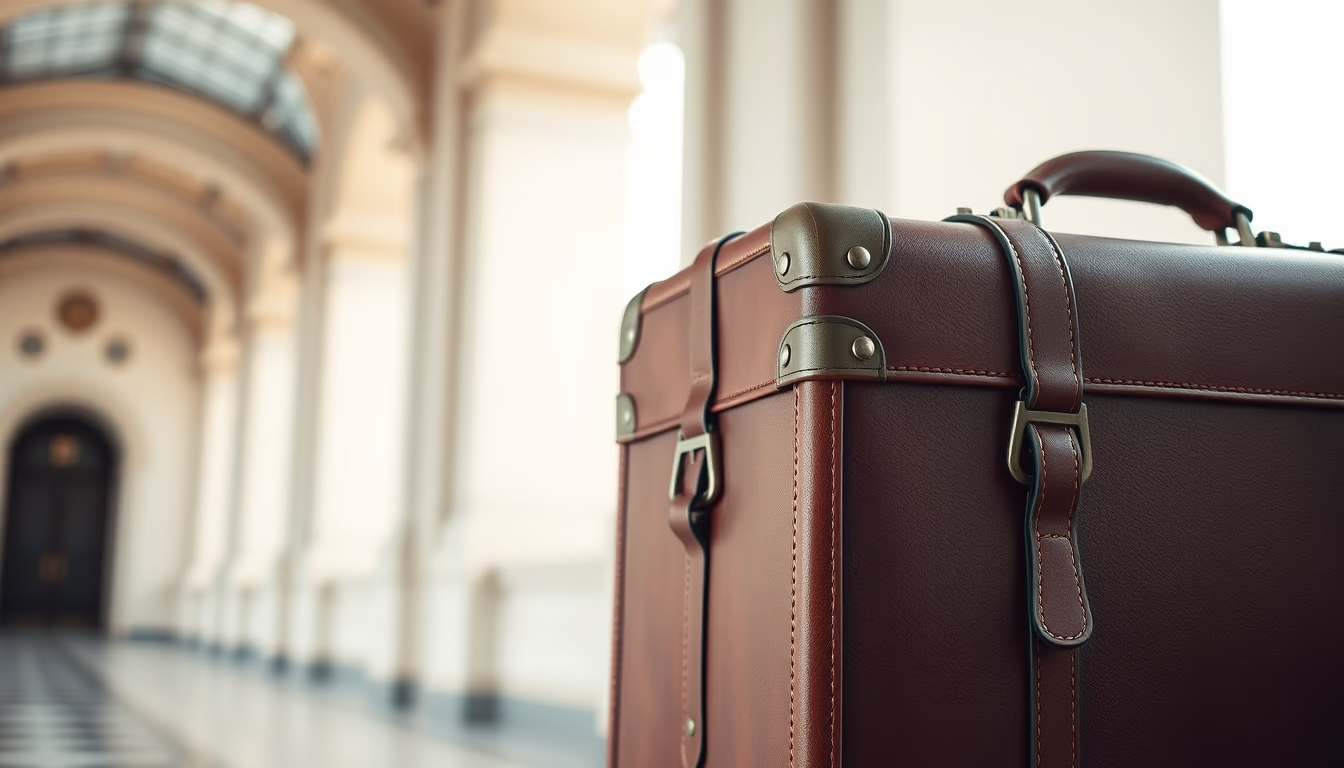
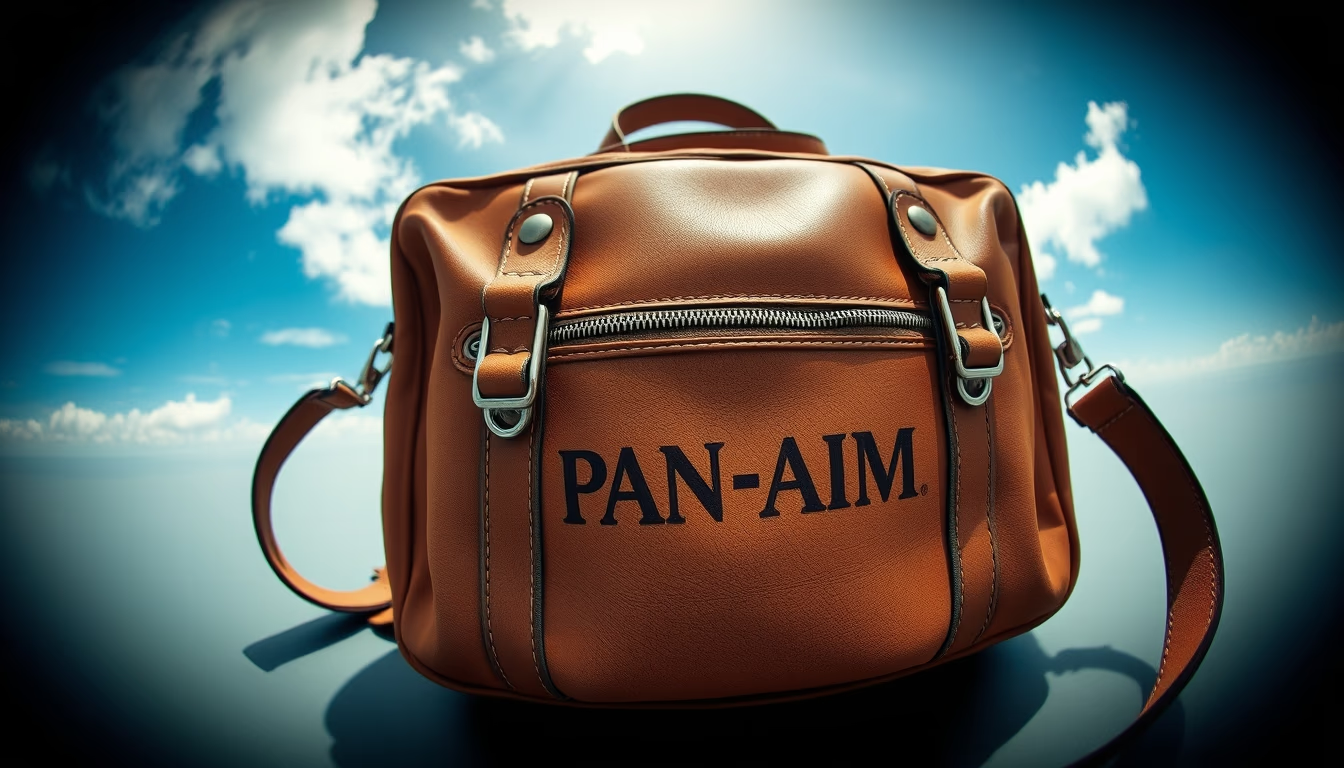
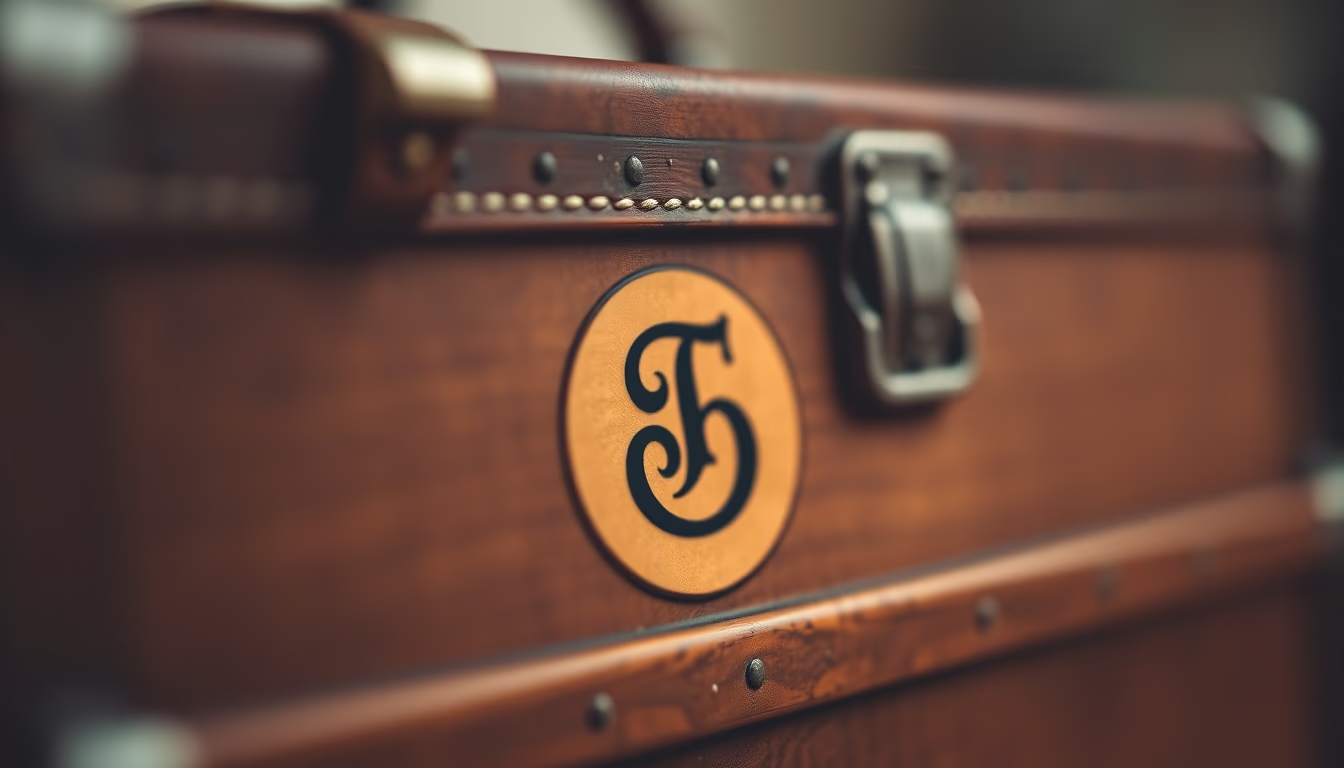
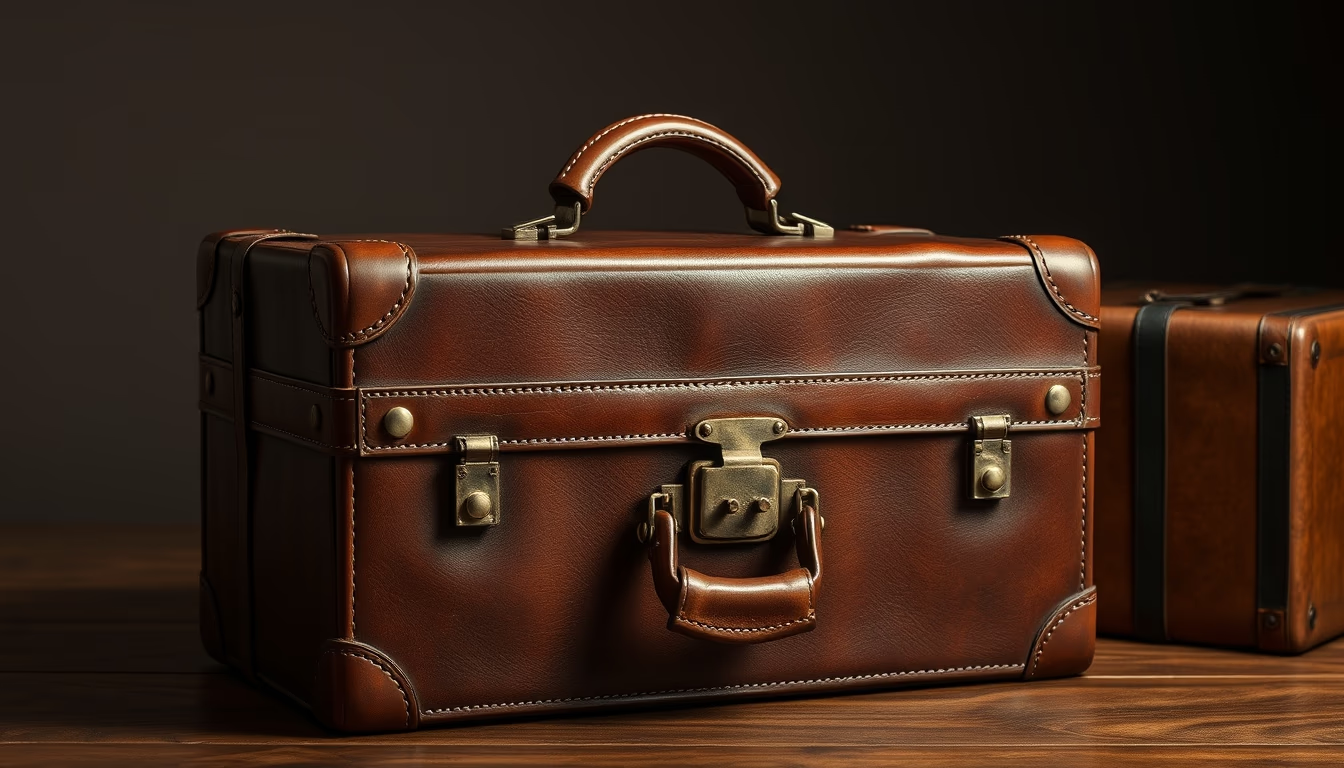
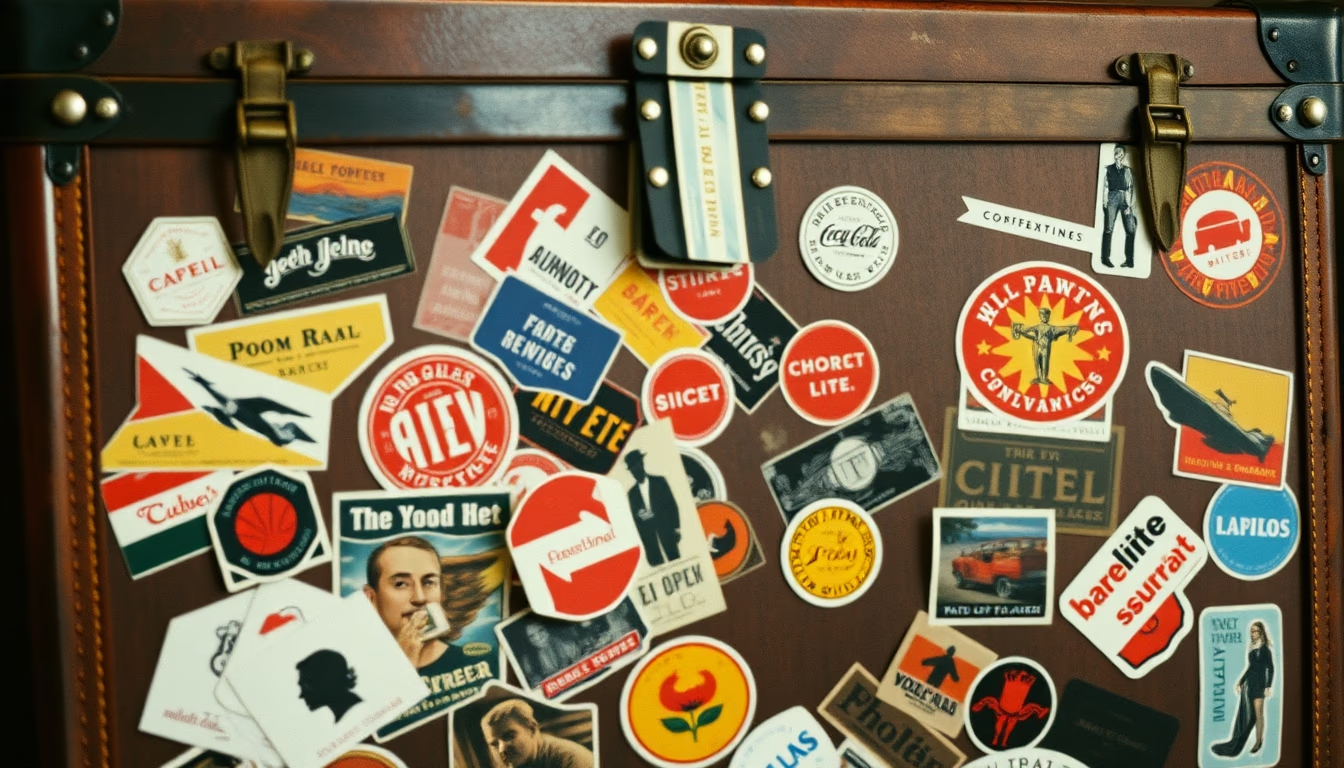
A 1920s leather suitcase, a symbol of luxury travel and Art Deco design, marked the transition to modern tourism.
About this subject
The leather suitcases of the 1920s represent a golden age of travel, when first-class rail and ocean liner journeys demanded robust and elegant luggage. Unlike earlier cardboard or fabric trunks, full-grain cowhide provided durability and weather resistance. Typical design features included metal corners, brass hardware, reinforced handles, and often the owner's embossed monogram.
Inside, these cases were lined with fine fabrics such as silk or linen and had wooden compartments to organize clothes and accessories. Artisanal craftsmanship dominated, with brands like Louis Vuitton, Goyard, and American Hartmann leading the market. The standard size for transatlantic voyages was the steamer trunk, but the handheld suitcase gained popularity with the rise of automobile and train travel.
Culturally, the 1920s leather suitcase is tied to the Jazz Age, Art Deco movement, and the glamour of figures like Coco Chanel and Ernest Hemingway. F. Scott Fitzgerald's 'The Great Gatsby' immortalized the aesthetic of leather luggage, while the 1925 International Exhibition of Modern Decorative and Industrial Arts in Paris cemented the style. Despite World War II introducing synthetic materials, vintage leather suitcases are now collector's items and a source of inspiration for contemporary designers.
Interestingly, the patent for wheeled suitcases would only emerge in 1970, but the 1920s already saw attempts at adaptation, such as luggage carts with small wheels. Maintaining these cases requires knowledge of natural tanning and humidity care, making them family heirlooms sold at specialized auctions.
Frequently Asked Questions
How to identify an original 1920s leather suitcase?
Check for uniformly worn brass hardware, hand or early machine stitching, natural silk or linen lining, and labels from historic makers like Louis Vuitton or Goyard. The leather should have a natural patina and characteristic smell of vegetable tanning.
Why didn't 1920s suitcases have wheels?
Wheels were rare because travel services included porters and baggage carts. The design prioritized aesthetics and durability, and retractable wheel technology was not yet feasible. The first wheeled suitcases appeared in the 1970s.
What is the difference between a 1920s leather suitcase and a modern replica?
Originals use naturally tanned leather, waxed linen stitching, and solid brass hardware. Modern replicas employ bonded leather, metal zippers, and synthetic linings. Antiques are heavier and show wear marks that tell their history.
Direct URL
https://pub-c7d6a6ea828543ac903a74a341ccb2e1.r2.dev/imagens/leather-suitcase-1920s-architectural-photography-fresh15.avifHow to credit
Include a visible link back to UtilizAí. Copy one of the snippets below:
<a href="https://xn--utiliza-eza.com/en/midia/imagens/leather-suitcase-1920s-architectural-photography-fresh15">Leather suitcase 1920s</a> by <a href="https://xn--utiliza-eza.com">UtilizAí</a>, licensed under <a href="https://creativecommons.org/licenses/by/4.0/">CC BY 4.0</a>.
[Leather suitcase 1920s](https://xn--utiliza-eza.com/en/midia/imagens/leather-suitcase-1920s-architectural-photography-fresh15) by [UtilizAí](https://xn--utiliza-eza.com), CC BY 4.0
License: CC-BY-4.0