Leather skiving knife
1344×768 · AVIF · CC BY 4.0
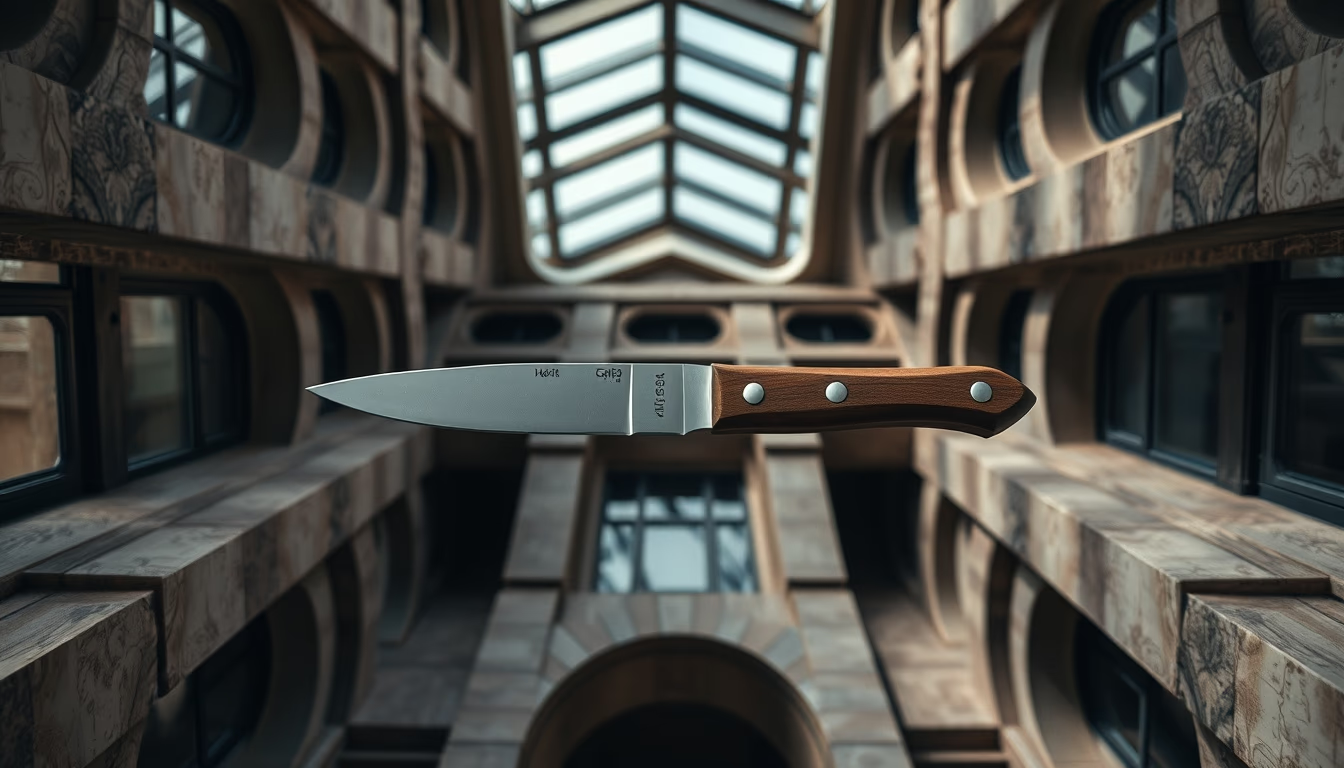
A leather skiving knife is an essential tool in leathercraft, used to thin leather and prepare edges.
About this subject
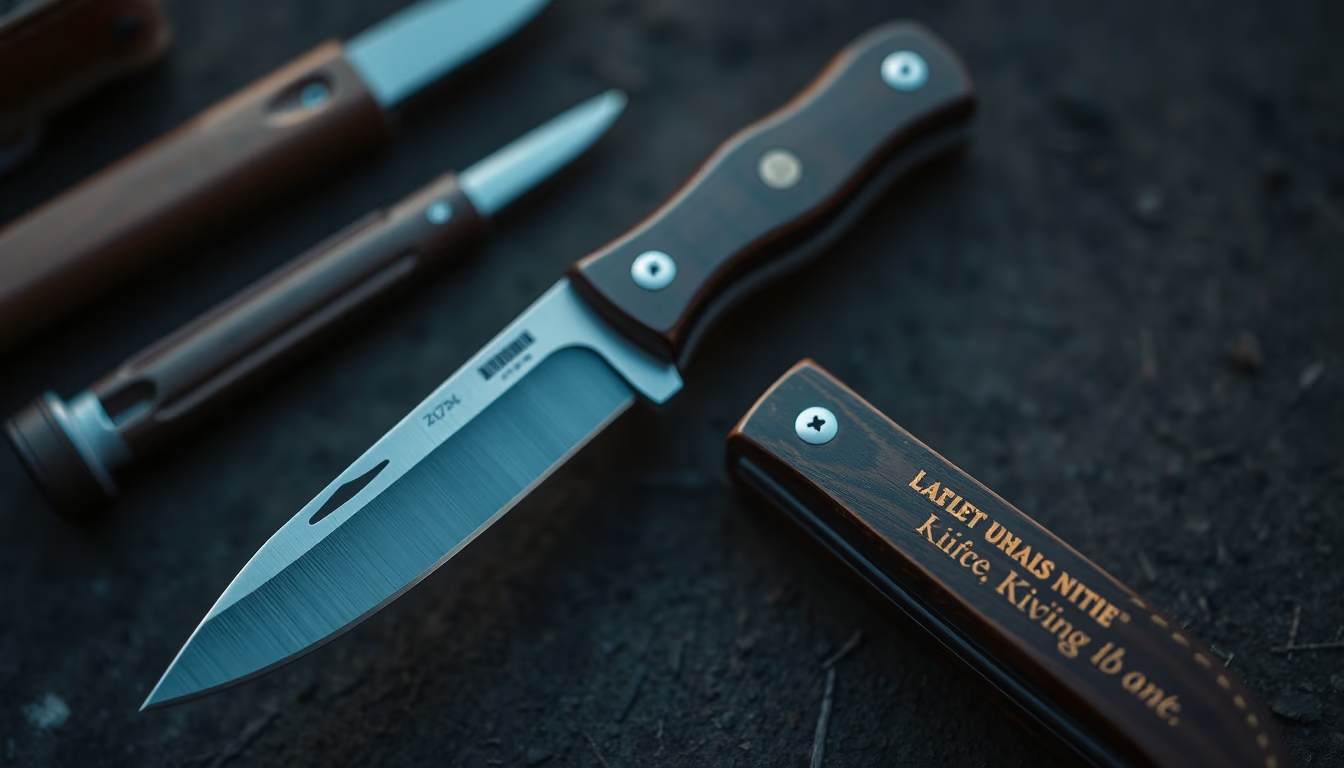
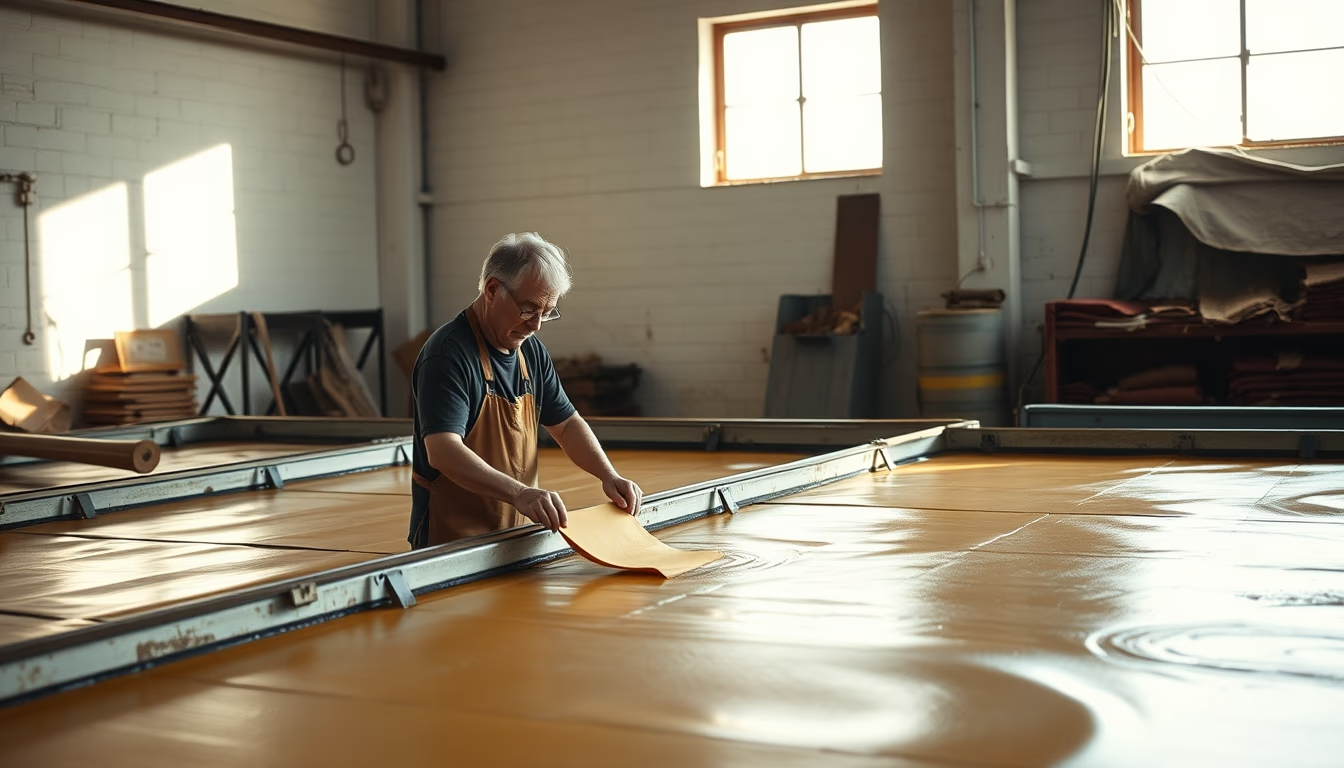
A leather skiving knife, also known as a skiving knife, is an indispensable tool for leathercraft artisans. Its primary use is to reduce the thickness of leather in specific areas, such as edges that will be folded or stitched, ensuring a finer and more professional finish. Unlike utility knives or common blades, the skiving knife blade is typically short and angled, allowing precise control over the depth of the cut.
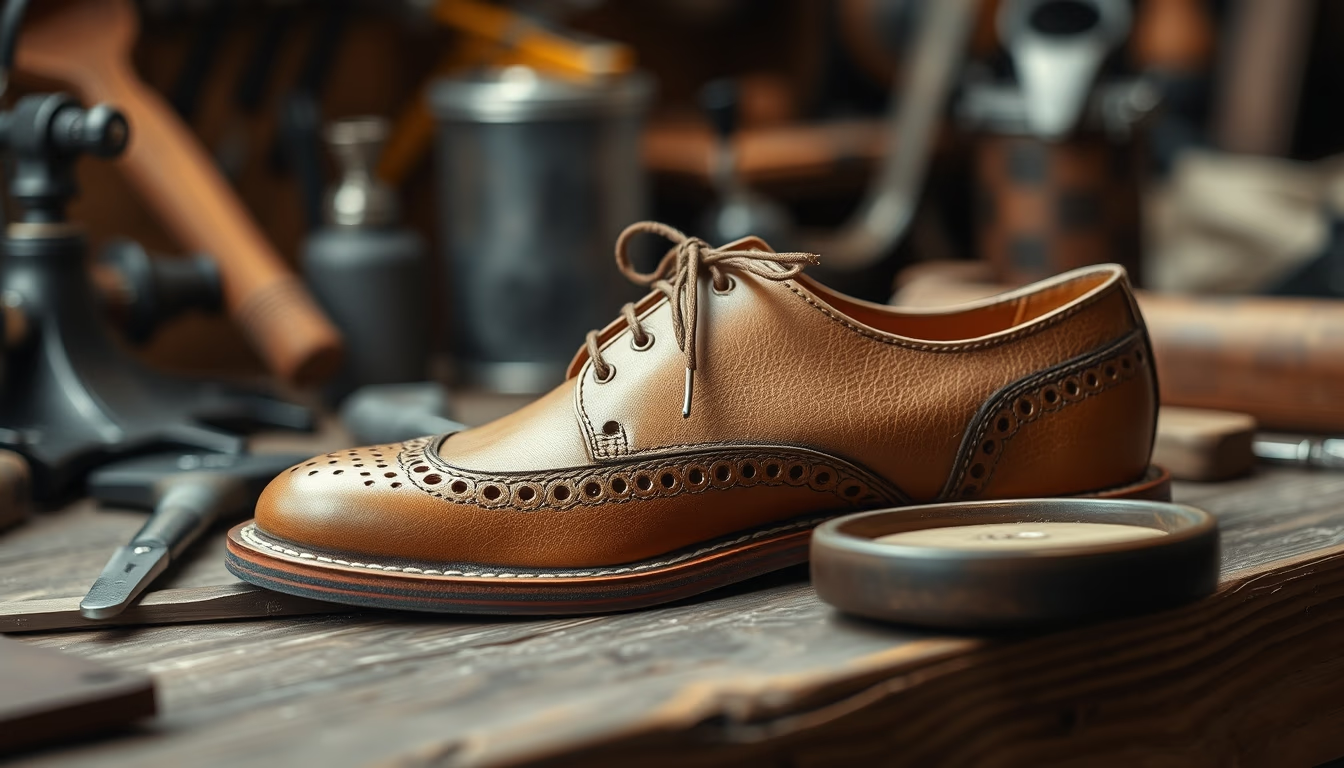
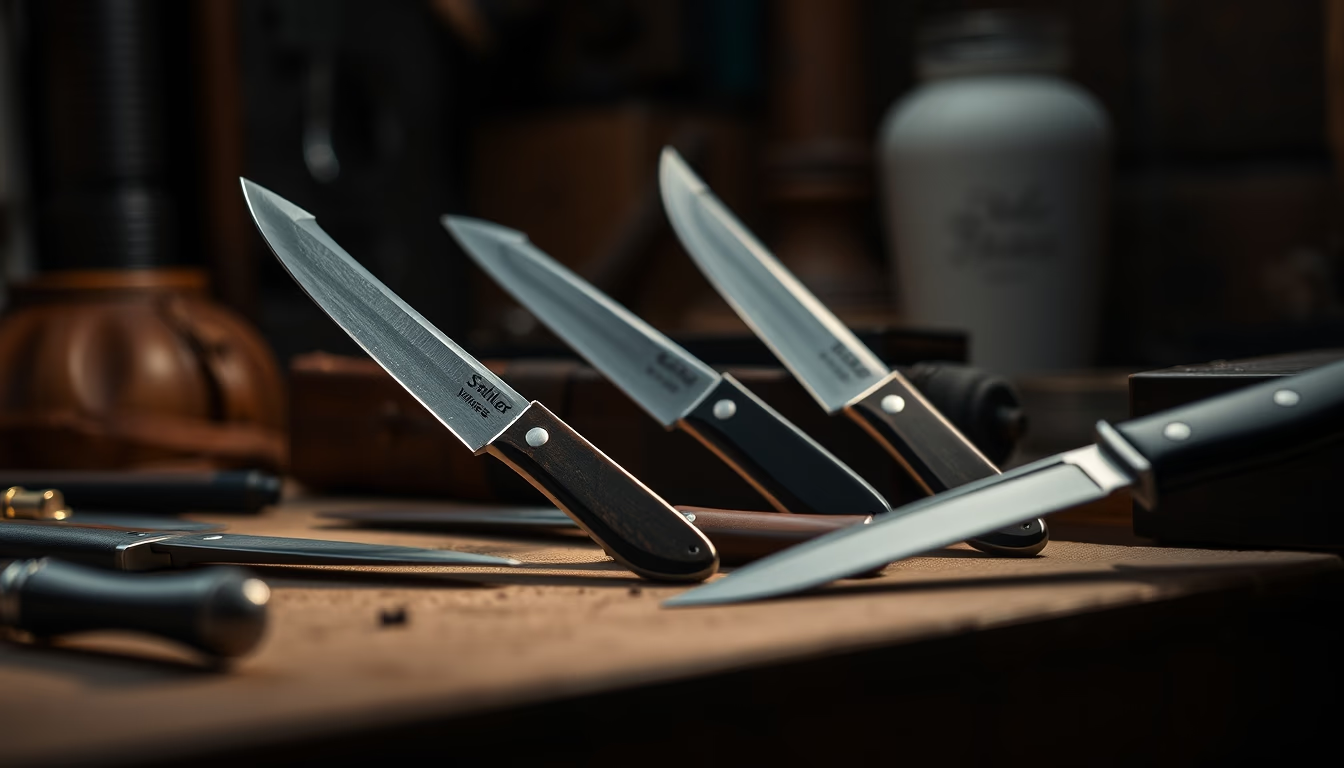
There are various types of skiving knives, from traditional models with wooden handles to modern versions with interchangeable blades. Blades can be straight or curved, depending on the technique and type of leather. Manual tools like this are preferred by many artisans for offering greater tactile sensitivity, unlike electric machines which can be less precise.
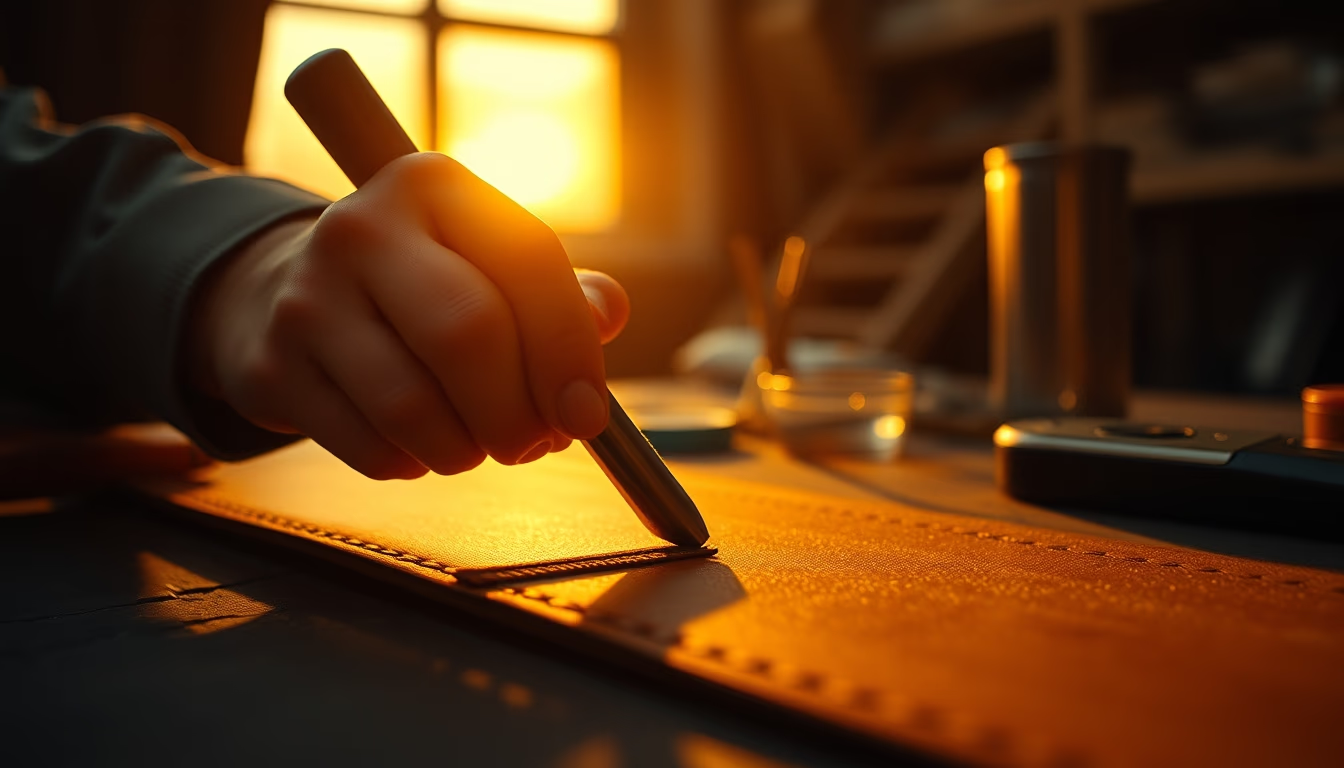
Proper use of the skiving knife requires practice and skill. The craftsman must hold the knife at a shallow angle and apply gentle pressure, removing thin layers of leather. This technique is common in making wallets, belts, bags, and handmade shoes. Blade maintenance is crucial: it must be kept sharp using a whetstone or strop for clean and safe cuts.
Historically, leather skiving is an ancient technique, used since antiquity to prepare hides. Specialized knives have evolved over centuries, with different cultures developing their own variations. In Brazil, leatherwork has a strong tradition in the interior of the Northeast and South regions, where the skiving knife is a key tool in regional craftsmanship.
Frequently Asked Questions
What is the difference between a skiving knife and a utility knife?
A skiving knife has a short, angled blade designed for controlled, shallow cuts, while a utility knife has a straight blade for deep straight cuts. The skiving knife offers greater precision in thinning leather.
How do you sharpen a leather skiving knife?
Use a fine-grit whetstone or a strop with polishing compound. Maintain the original blade angle and make smooth strokes always towards the edge. Lubrication with oil or water helps prevent overheating.
Can you skive leather without a specialized knife?
Yes, but it is more difficult and dangerous. Improvised tools can damage the leather or cause accidents. A proper skiving knife ensures safety and a professional finish.
Direct URL
https://pub-c7d6a6ea828543ac903a74a341ccb2e1.r2.dev/imagens/leather-skiving-knife-architectural-photography-fresh6.avifHow to credit
Include a visible link back to UtilizAí. Copy one of the snippets below:
<a href="https://xn--utiliza-eza.com/en/midia/imagens/leather-skiving-knife-architectural-photography-fresh6">Leather skiving knife</a> by <a href="https://xn--utiliza-eza.com">UtilizAí</a>, licensed under <a href="https://creativecommons.org/licenses/by/4.0/">CC BY 4.0</a>.
[Leather skiving knife](https://xn--utiliza-eza.com/en/midia/imagens/leather-skiving-knife-architectural-photography-fresh6) by [UtilizAí](https://xn--utiliza-eza.com), CC BY 4.0
License: CC-BY-4.0