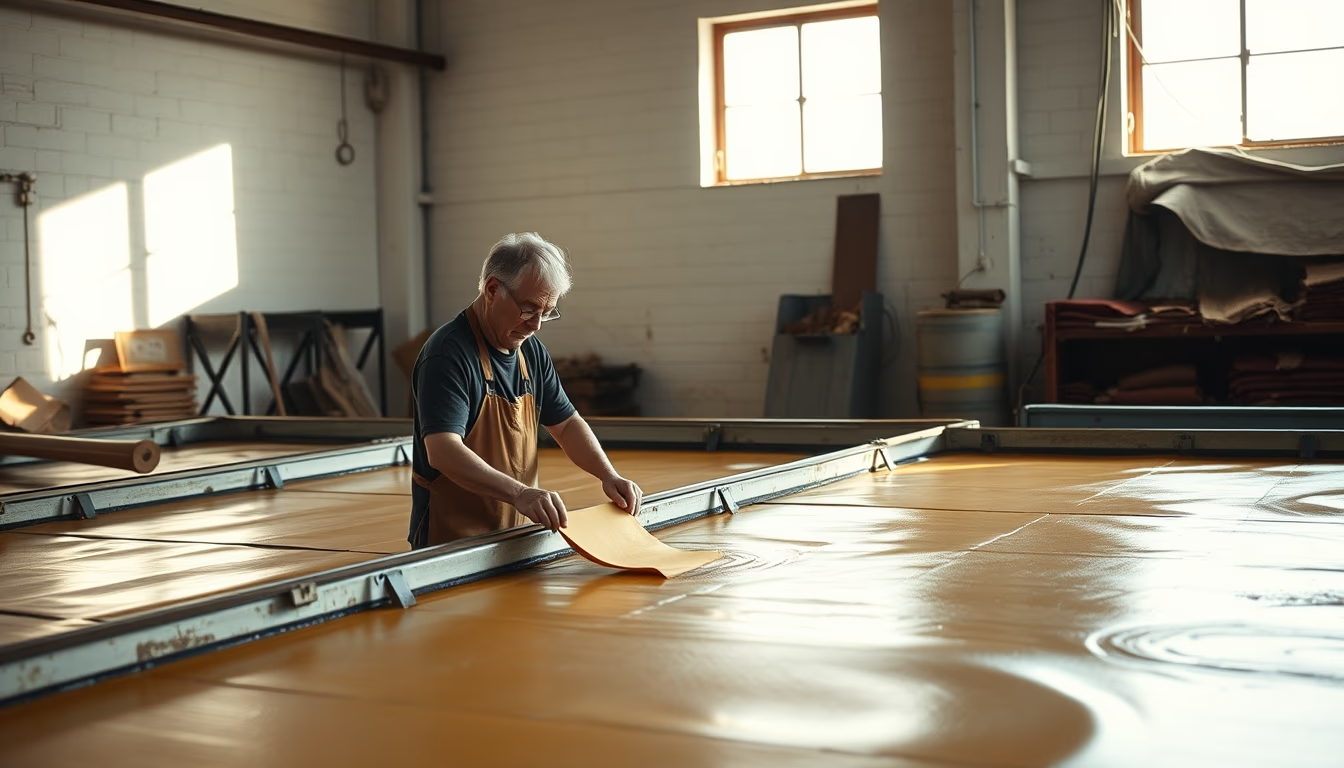
Leather embossing tools
1344×768 · AVIF · CC BY 4.0
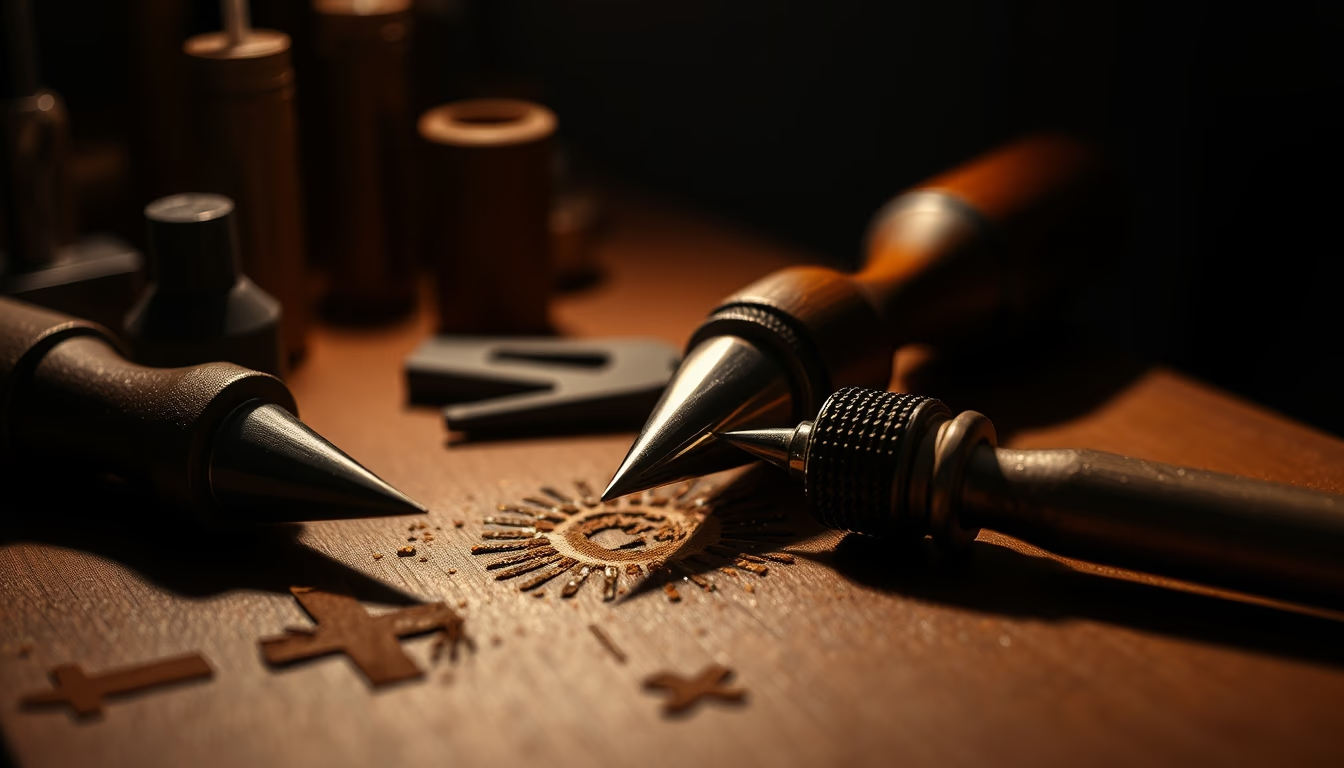
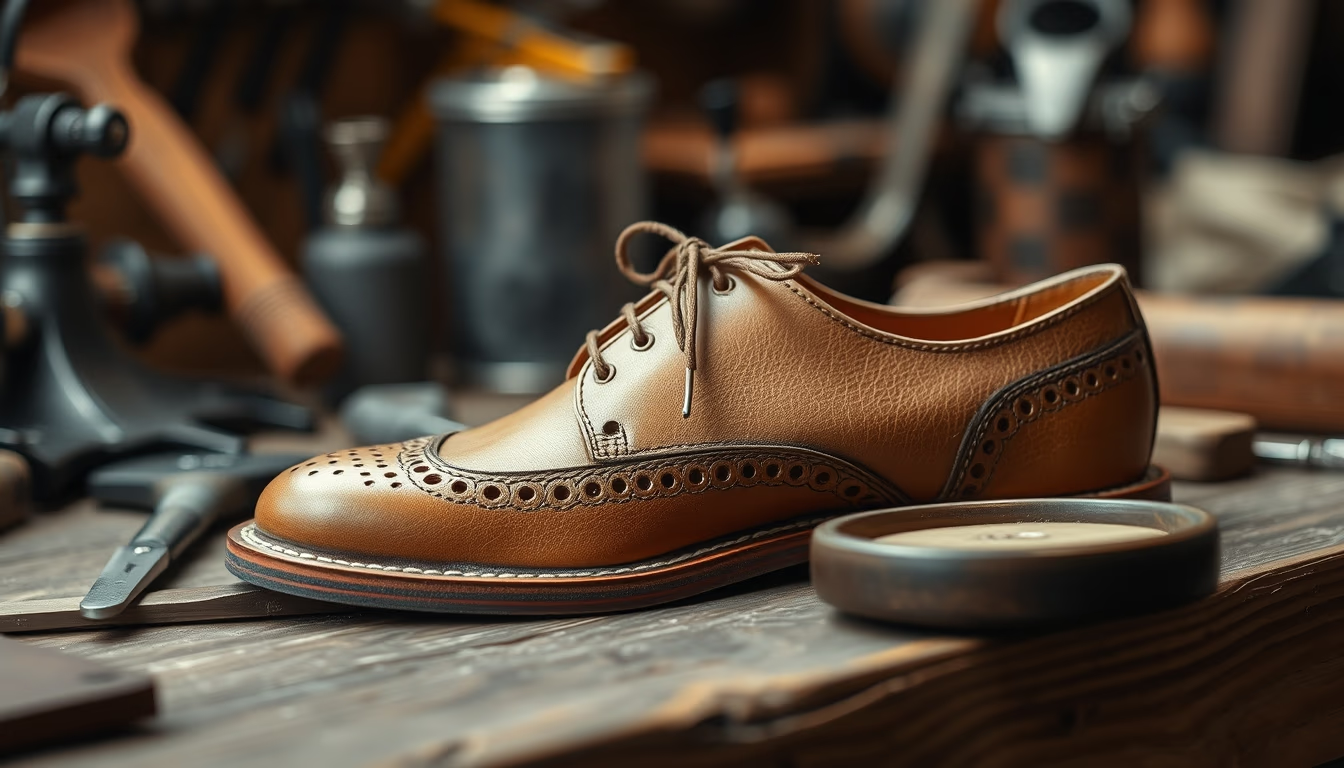
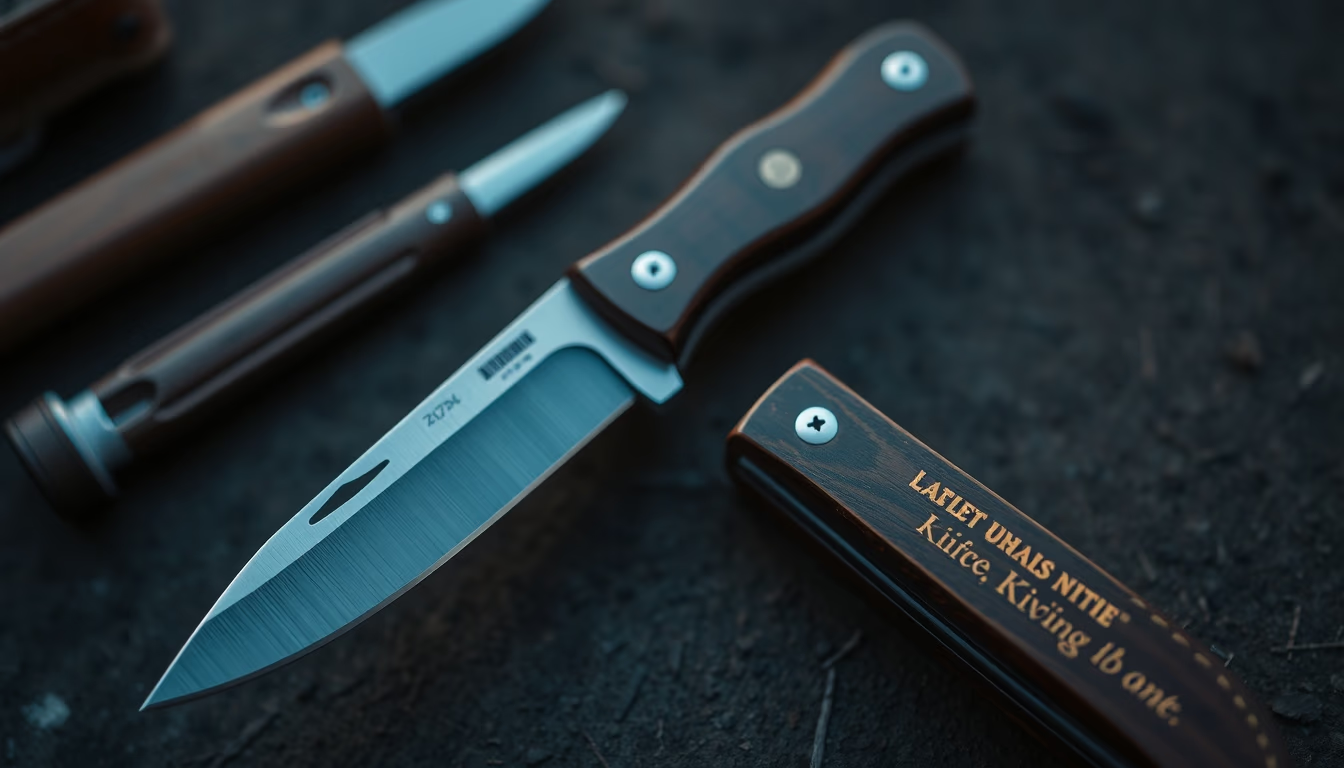
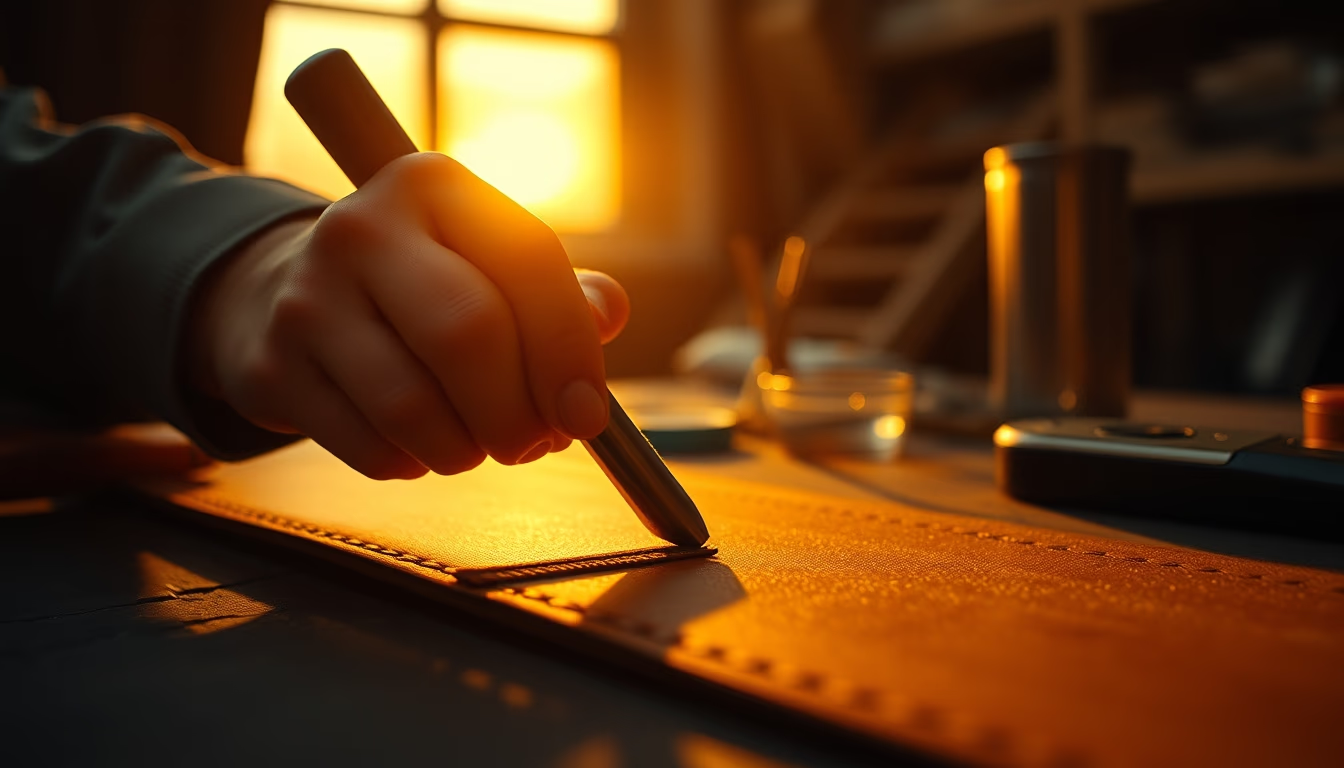
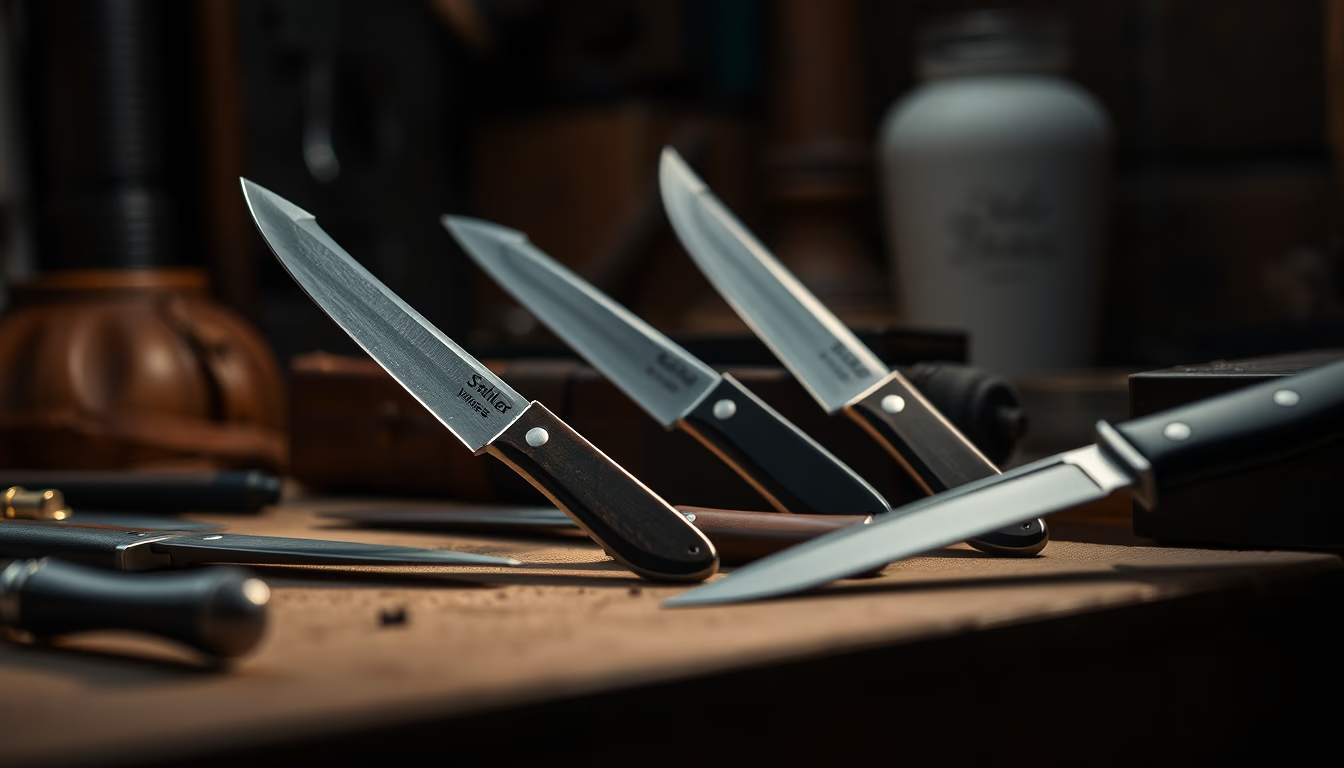
Leather embossing tools: learn about types, uses, and techniques to create relief patterns on handmade leather goods.
About this subject
Leather embossing tools are specialized instruments used to create raised patterns and textures on the surface of leather. This process, known as embossing, can be done hot or cold, depending on the material and desired effect. Common tools include metal stamps with designs in low relief, applied manually or with mechanical presses. Modeling tools like spatulas and scorpers are used for handcrafted details.
In Brazil, leather embossing is widely used in accessories such as belts, wallets, and notebook covers, especially in the South and Southeast regions where leather craftsmanship is traditional. The technique requires precision and knowledge of leather thickness: thinner leathers (0.8, 1.2 mm) suit detailed impressions, while thicker leathers (above 2 mm) allow deeper reliefs.
Historically, embossing dates back to the Middle Ages when European artisans used wooden molds to stamp books and documents. Modern methods include hydraulic presses and CNC machines, but hand tools are still valued for unique finishes. A curious fact: hot stamping uses heated dies that slightly burn the leather surface, creating a sharp contrast between embossed and flat areas.
For beginners, a basic kit with letter or number stamps (like those used for custom belts), a leather mallet, and a nylon base is recommended. Slightly damp leather accepts impressions better. After embossing, many artisans apply a protective finish to prevent wear over time.
Frequently Asked Questions
What is the difference between hot and cold leather embossing?
In hot embossing, tools are heated to mark the leather, creating a darker contrast and a permanent impression. Cold embossing uses pressure without heat, being gentler and suitable for thinner leather or to avoid color changes.
What type of leather is best for embossing?
Vegetable-tanned leather is the best choice, as it absorbs pressure well and retains the relief. Cowhide with a thickness of 1.0, 1.5 mm is ideal for beginners. Synthetic or heavily finished leathers may not yield good results.
How do I clean embossing stamps after use?
Clean metal stamps with a dry cloth to remove leather residue. For glue or finish buildup, use a soft brush and isopropyl alcohol. For wooden stamps, avoid water; just wipe with a dry cloth.
Direct URL
https://pub-c7d6a6ea828543ac903a74a341ccb2e1.r2.dev/imagens/leather-embossing-tools-rembrandt-lighting-dramatic-shadows-fresh6.avifHow to credit
Include a visible link back to UtilizAí. Copy one of the snippets below:
<a href="https://xn--utiliza-eza.com/en/midia/imagens/leather-embossing-tools-rembrandt-lighting-dramatic-shadows-fresh6">Leather embossing tools</a> by <a href="https://xn--utiliza-eza.com">UtilizAí</a>, licensed under <a href="https://creativecommons.org/licenses/by/4.0/">CC BY 4.0</a>.
[Leather embossing tools](https://xn--utiliza-eza.com/en/midia/imagens/leather-embossing-tools-rembrandt-lighting-dramatic-shadows-fresh6) by [UtilizAí](https://xn--utiliza-eza.com), CC BY 4.0
License: CC-BY-4.0