Leather embossing tools
1344×768 · AVIF · CC BY 4.0
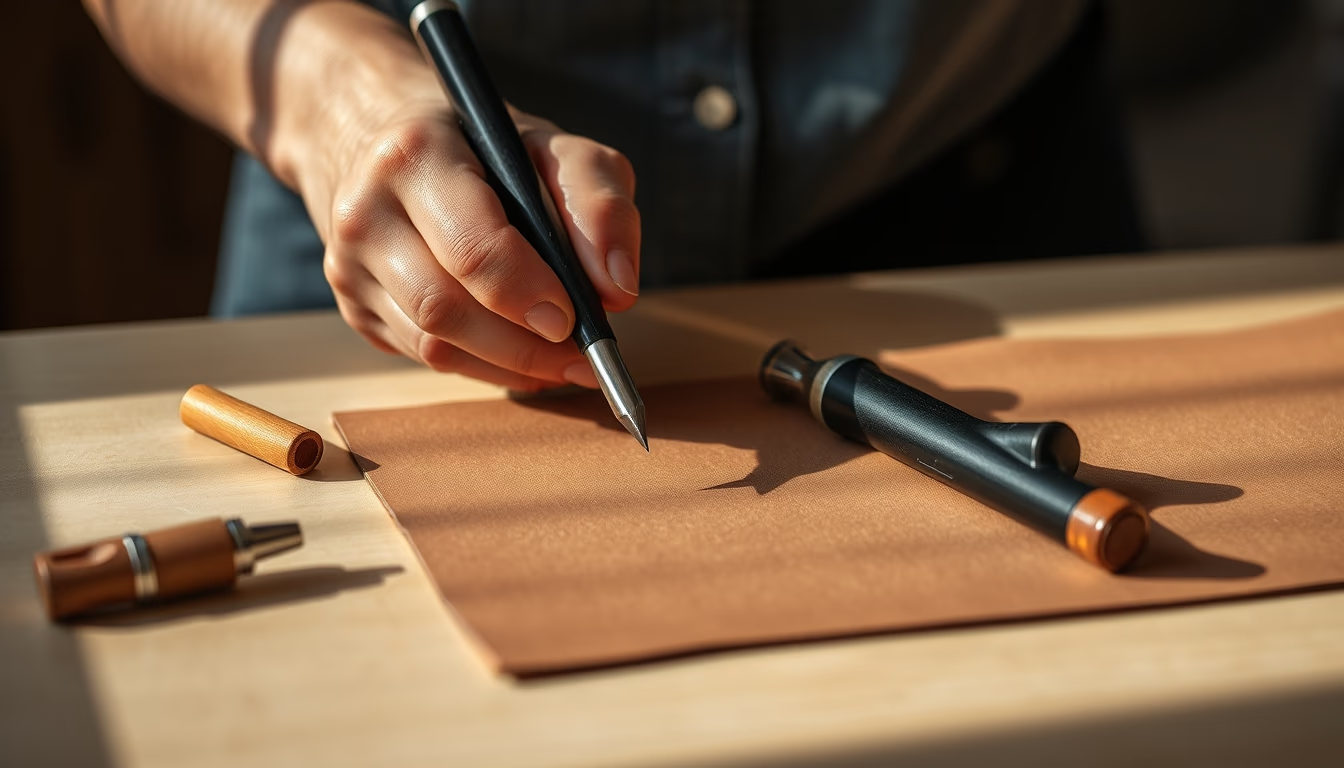
Ferramentas de gofragem em couro são instrumentos especializados para criar relevos decorativos ou funcionais na superfície do couro, usadas em artesanato, moda e restauração.
Sobre o tema
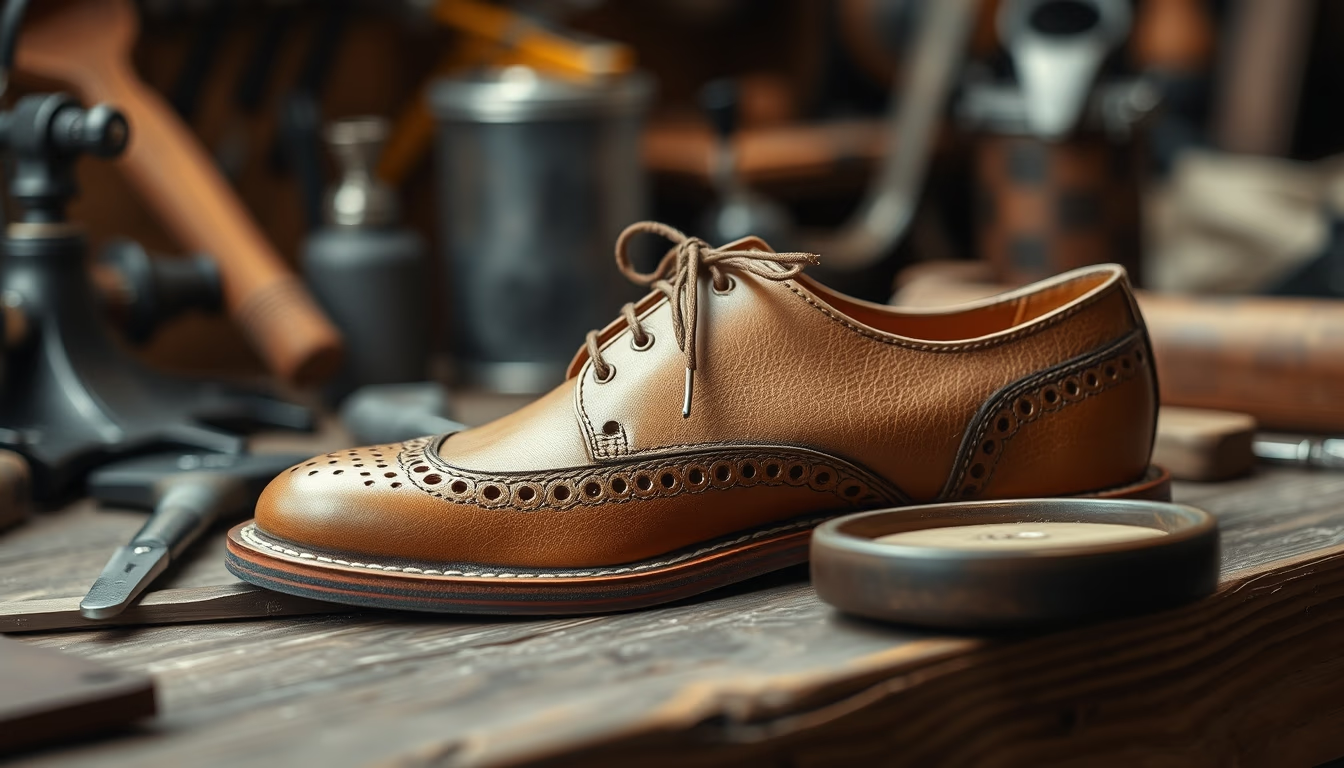
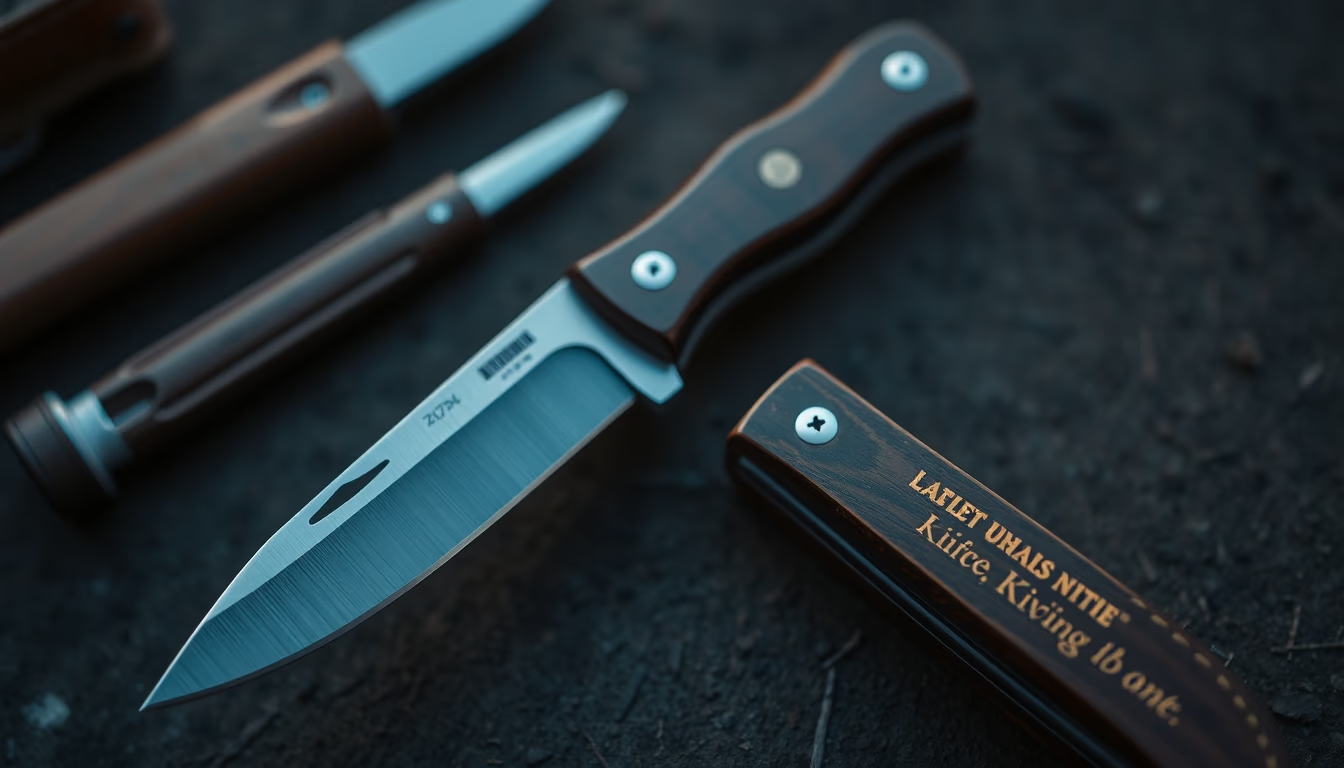
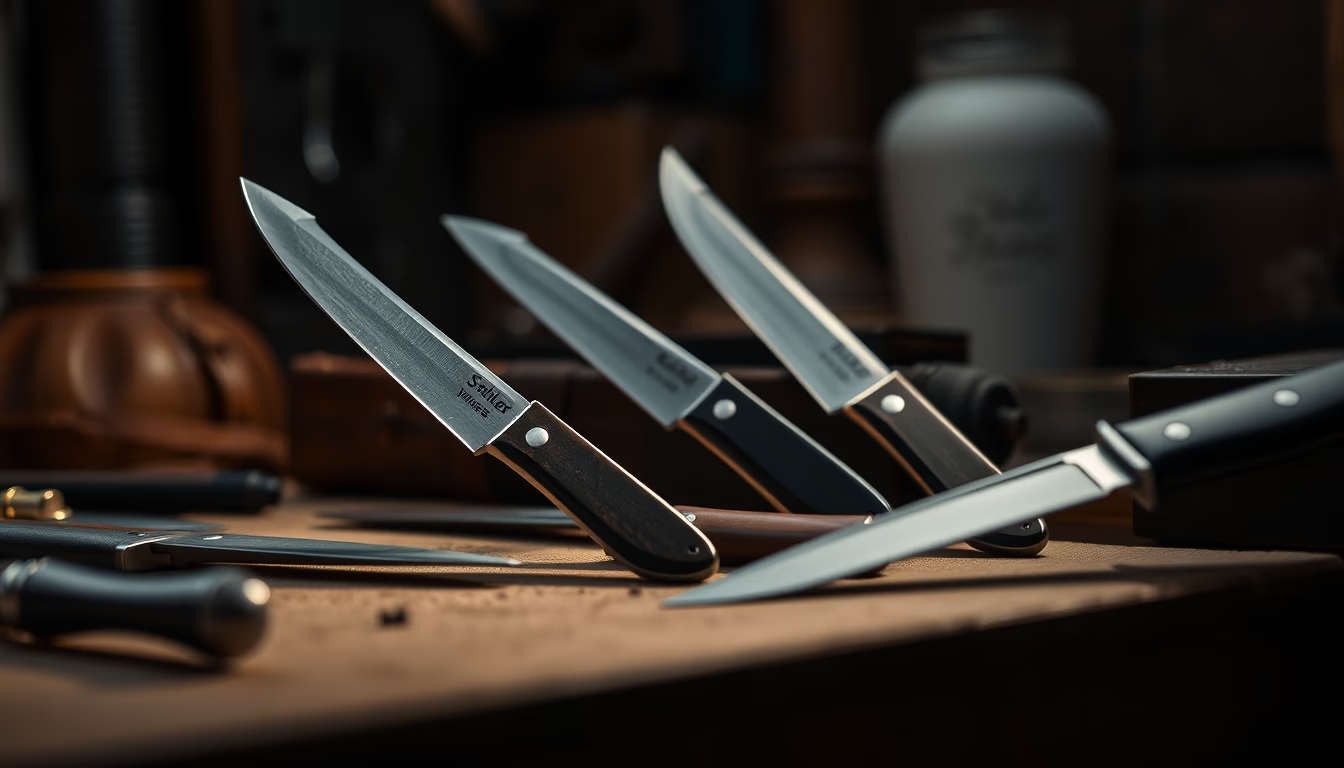
As ferramentas de gofragem em couro abrangem uma variedade de instrumentos manuais e mecânicos, como carimbos, rolos e prensas, que aplicam pressão controlada para deformar a superfície do couro. Os carimbos são os mais tradicionais, feitos geralmente de latão ou aço, com desenhos gravados em relevo (para gofragem côncava) ou em cavidade (para gofragem convexa). Os rolos de gofragem, muitas vezes aquecidos, permitem padrões contínuos e são usados em couros para encadernação, estofados e acessórios. Já as prensas hidráulicas são empregadas em produção industrial para gravações precisas e repetitivas.
Historicamente, a gofragem em couro remonta a civilizações antigas, como egípcios e chineses, que utilizavam matrizes de madeira ou pedra para decorar couros usados em roupas e objetos rituais. Na Europa medieval, a técnica floresceu na encadernação de livros e na confecção de artigos de couro luxuosos. Atualmente, ferramentas modernas incorporam controle de temperatura e pressão digital, ampliando as possibilidades criativas.
A escolha da ferramenta depende do tipo de couro e do efeito desejado. Couros mais macios, como o nobuck, exigem ferramentas com menor pressão para evitar danos, enquanto couros duros, como o da sela, suportam gravações profundas. Além da estética, a gofragem pode ter função prática, como melhorar a aderência em cabos de ferramentas ou criar texturas antiderrapantes. O cuidado com as ferramentas inclui limpeza e lubrificação para evitar ferrugem, especialmente nas versões de aço.
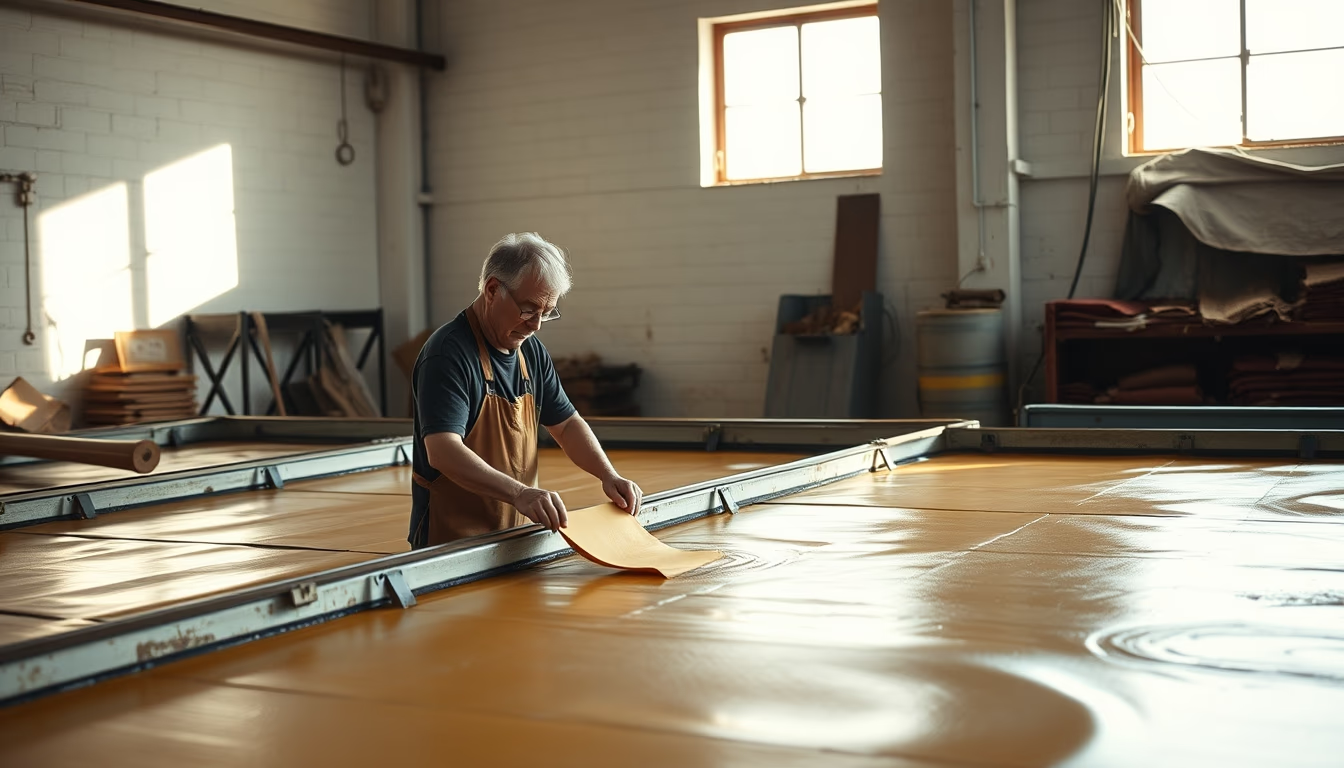
No Brasil, a técnica é comum em regiões com tradição coureira, como o Rio Grande do Sul, onde artesãos produzem peças como cintos e bolsas com gofragem personalizada. A versatilidade das ferramentas permite desde simples monogramas até composições complexas que imitam rendas ou padrões geométricos, combinando herança artesanal com inovação.
Perguntas frequentes
Quais são os principais tipos de ferramentas de gofragem em couro?
Os principais tipos são carimbos manuais (de latão ou aço), rolos (muitos aquecidos) e prensas hidráulicas ou mecânicas. Carimbos são usados para desenhos pontuais, rolos para padrões contínuos e prensas para produção em escala.
Qual a diferença entre gofragem a seco e gofragem a quente?
A gofragem a seco usa apenas pressão, enquanto a gofragem a quente aplica calor para fixar melhor o relevo, especialmente em couros com acabamento sintético ou para obter maior profundidade.
Como escolher a ferramenta ideal para iniciar na gofragem de couro?
Para iniciantes, recomenda-se um conjunto de carimbos básicos com letras e formas geométricas, um macete de madeira e um couro de espessura média (2-3 mm). Ferramentas com cabos ergonômicos facilitam o controle.
URL direta
https://pub-c7d6a6ea828543ac903a74a341ccb2e1.r2.dev/imagens/leather-embossing-tools-minimalist-composition-fresh12.avifComo creditar
Inclua um link visível de volta pro UtilizAí. Copie um dos snippets abaixo:
<a href="https://xn--utiliza-eza.com/midia/imagens/leather-embossing-tools-minimalist-composition-fresh12">Leather embossing tools</a> by <a href="https://xn--utiliza-eza.com">UtilizAí</a>, licensed under <a href="https://creativecommons.org/licenses/by/4.0/">CC BY 4.0</a>.
[Leather embossing tools](https://xn--utiliza-eza.com/midia/imagens/leather-embossing-tools-minimalist-composition-fresh12) by [UtilizAí](https://xn--utiliza-eza.com), CC BY 4.0
Licença: CC-BY-4.0