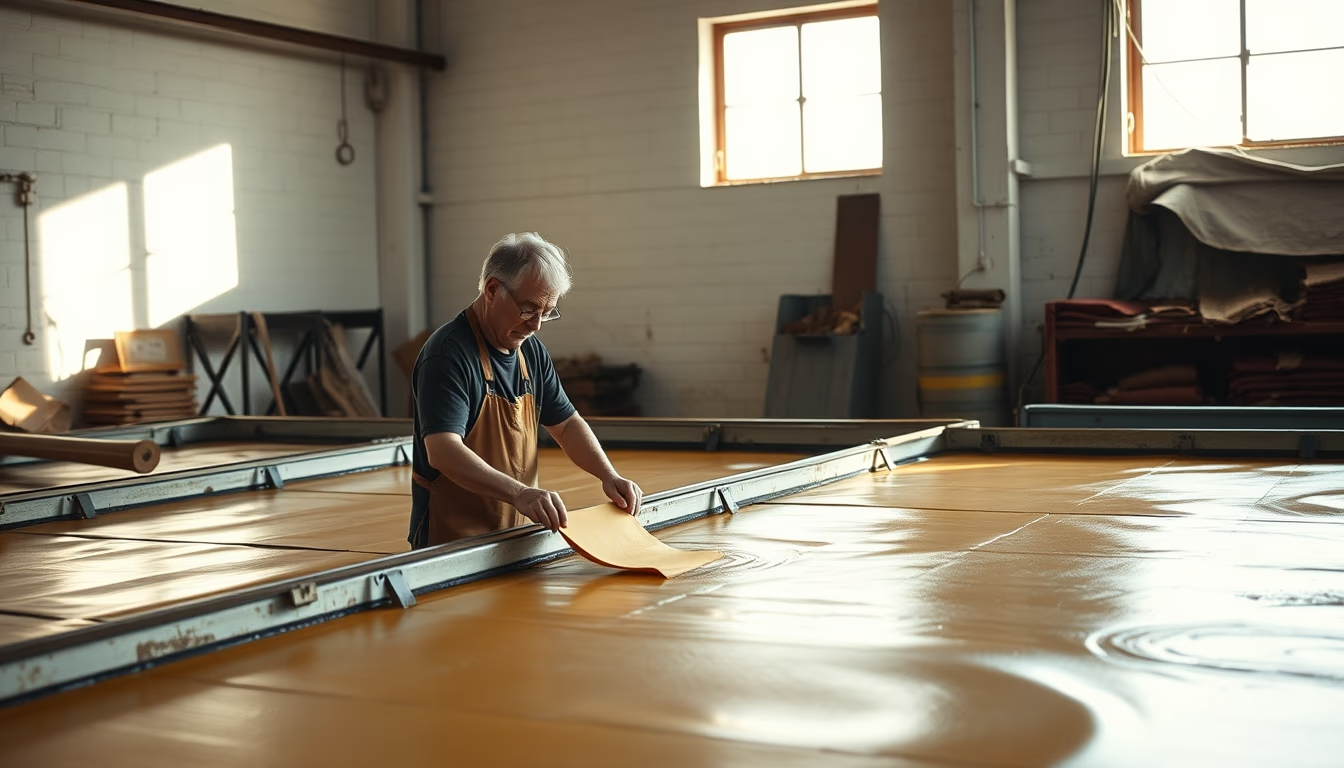
Leather embossing tools
1344×768 · AVIF · CC BY 4.0

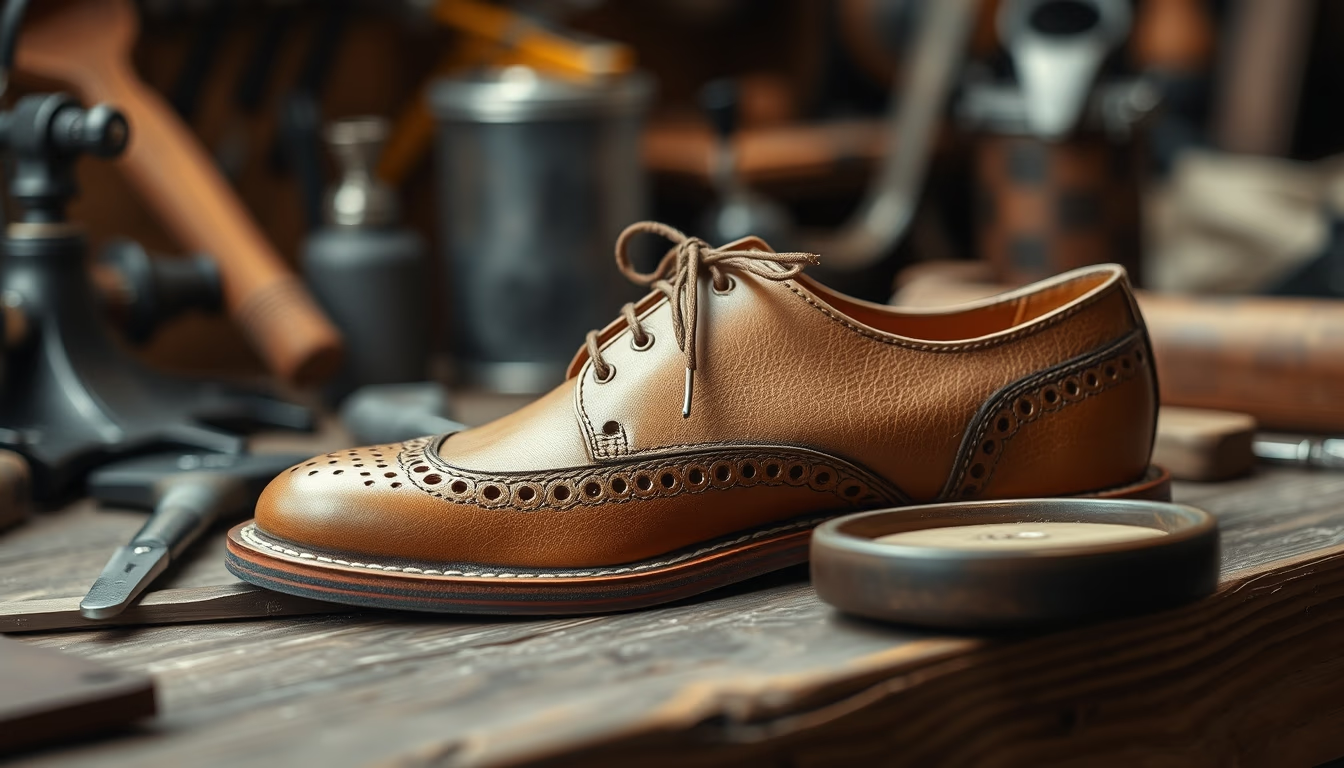
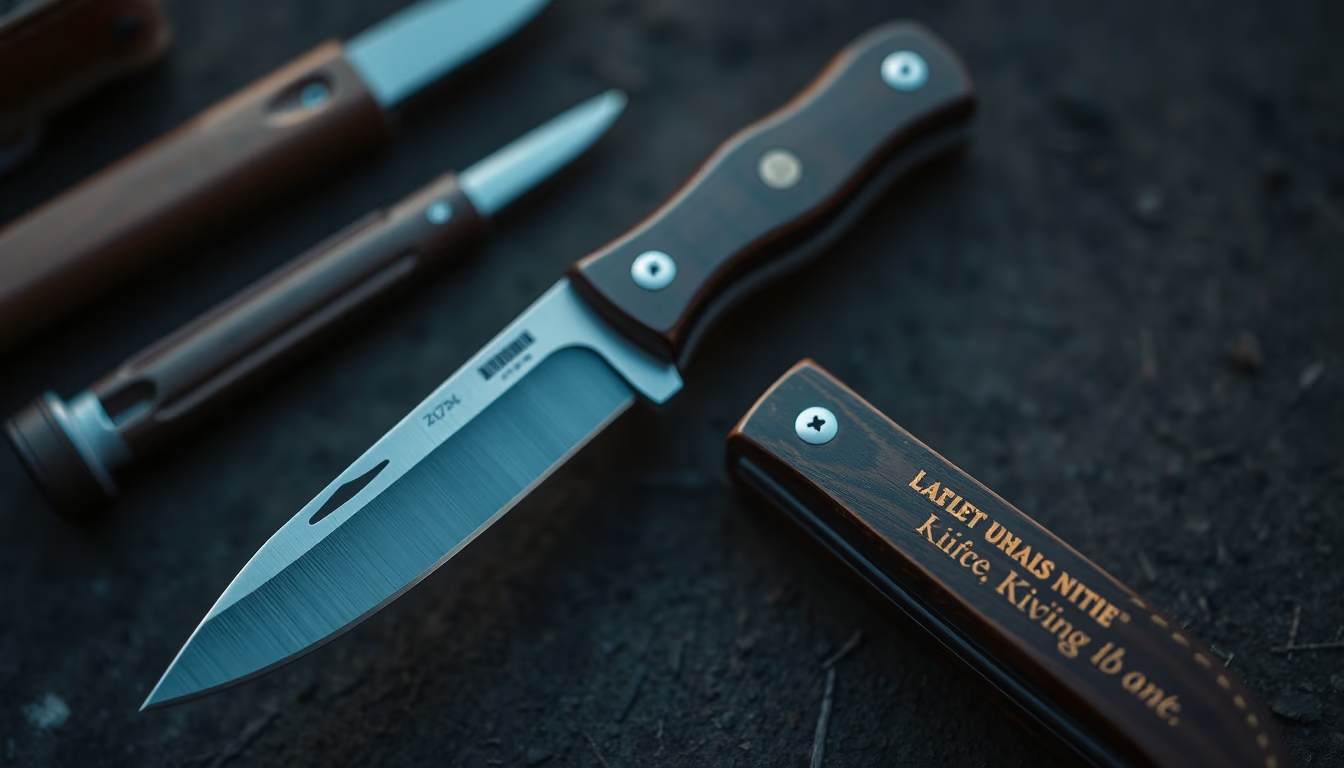
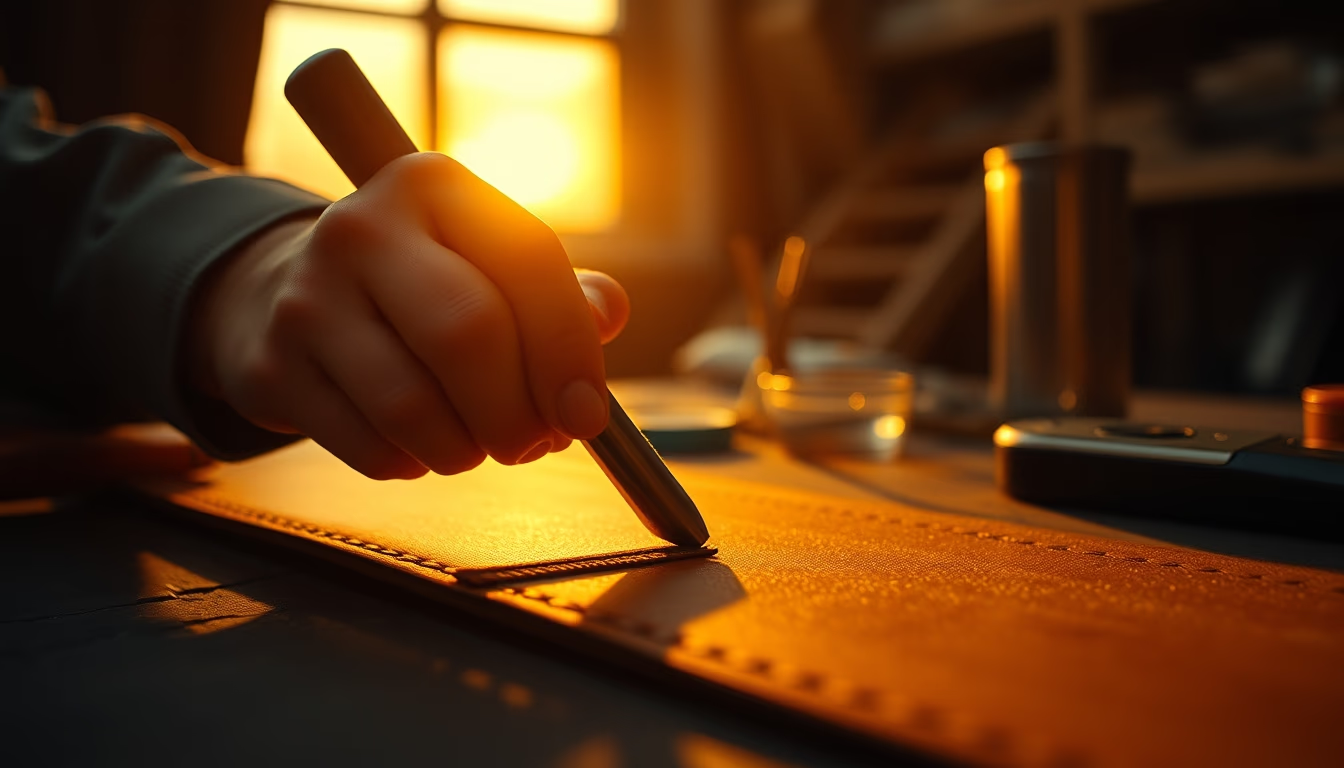
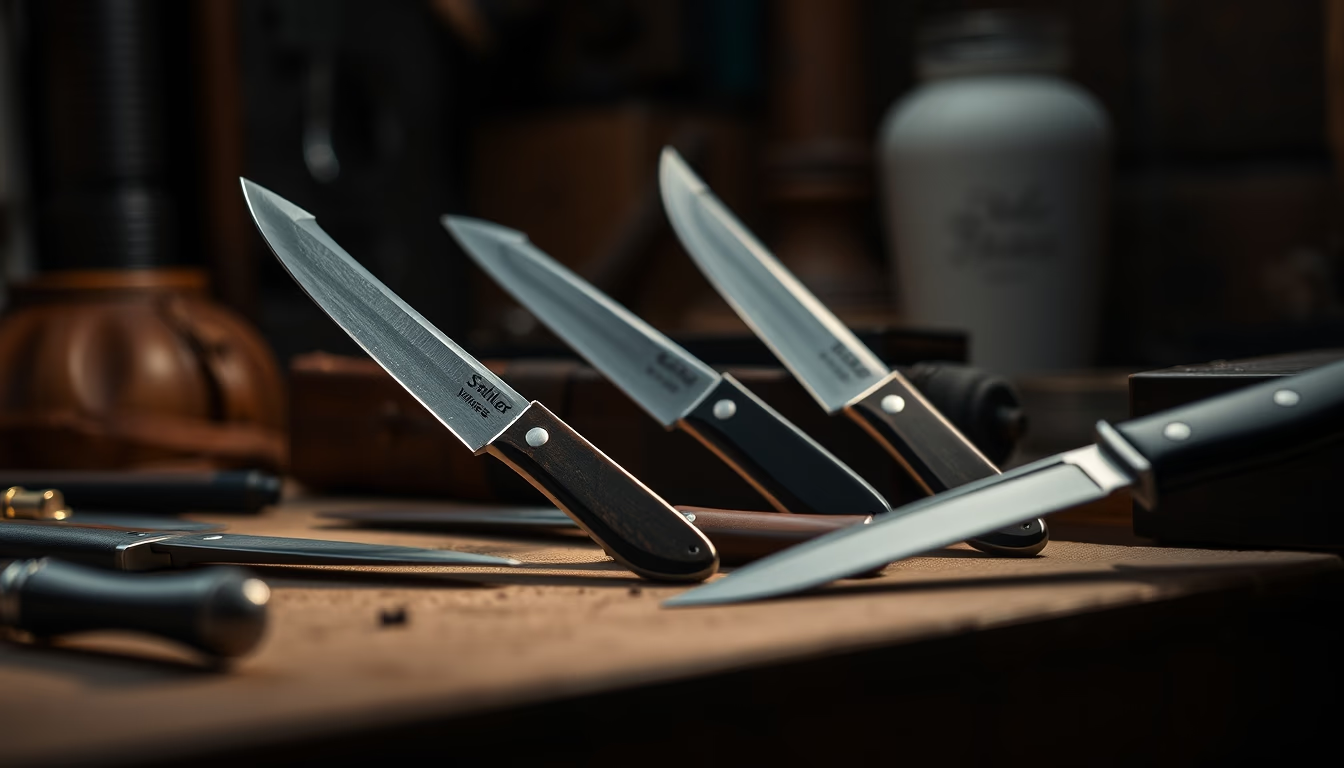
Leather embossing tools, such as stamps and mallets, are essential for creating decorative reliefs in handmade leather goods.
About this subject
Leather embossing is an ancient technique that involves pressing metal or wooden stamps onto leather surfaces to create raised designs. Common tools include brass or steel stamps with various patterns (geometric, floral, letters), nylon or wooden mallets to strike the stamps, and hydraulic or manual presses for larger-scale work. Each tool has a specific profile: bevel stamps produce fine lines, while background stamps create uniform textures.
Choosing the right leather is critical: vegetable-tanned leather, being firmer, holds embossing better, while chrome-tanned leather is more flexible and harder to emboss. The technique requires moistening the leather (casing) to soften fibers, making deformation easier. After embossing, the leather is dried under pressure to set the design. Artisans often combine embossing with other techniques like carving and painting to enhance details.
Historically, leather embossing was widely used in bookbinding, saddle and harness making, and decorative items. In Brazil, leather craftsmanship has strong traditions in the Northeast (like Ceará leather crafts) and the South (gaucho work). Today, the technique is revived by sustainable fashion and slow fashion movements, valuing handwork and product durability.
Interesting facts: antique stamps can be collected as historical objects; some tools are custom-made for exclusive patterns. The pressure applied and mallet angle directly influence the depth and sharpness of the embossing, requiring years of practice to master. Laser engraving machines have replaced manual work in industrial scale, but craftsmanship is still preferred for high-artistic pieces.
Frequently Asked Questions
What is the difference between embossing and carving leather?
Embossing creates a raised design by pressing the surface without removing material. Carving cuts and removes parts of the leather to form grooves.
Which type of leather is best for embossing?
Vegetable-tanned leather is best because it is firm and holds the embossed pattern well after moistening and drying.
Can I emboss leather at home?
Yes, with basic tools: stamps, a mallet, a sponge, and vegetable-tanned leather. Practice is needed to control depth and alignment.
Direct URL
https://pub-c7d6a6ea828543ac903a74a341ccb2e1.r2.dev/imagens/leather-embossing-tools-architectural-photography-fresh18.avifHow to credit
Include a visible link back to UtilizAí. Copy one of the snippets below:
<a href="https://xn--utiliza-eza.com/en/midia/imagens/leather-embossing-tools-architectural-photography-fresh18">Leather embossing tools</a> by <a href="https://xn--utiliza-eza.com">UtilizAí</a>, licensed under <a href="https://creativecommons.org/licenses/by/4.0/">CC BY 4.0</a>.
[Leather embossing tools](https://xn--utiliza-eza.com/en/midia/imagens/leather-embossing-tools-architectural-photography-fresh18) by [UtilizAí](https://xn--utiliza-eza.com), CC BY 4.0
License: CC-BY-4.0