Leather dyeing vat
1344×768 · AVIF · CC BY 4.0
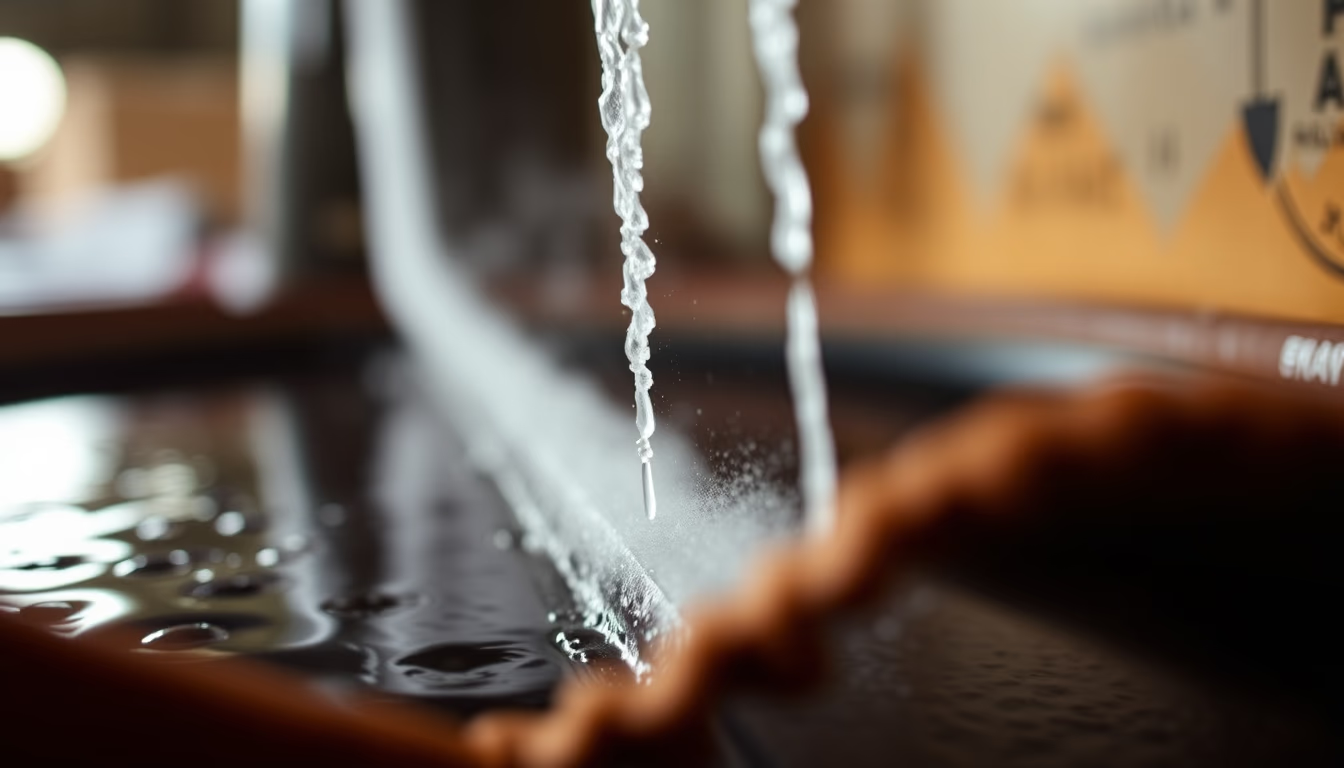
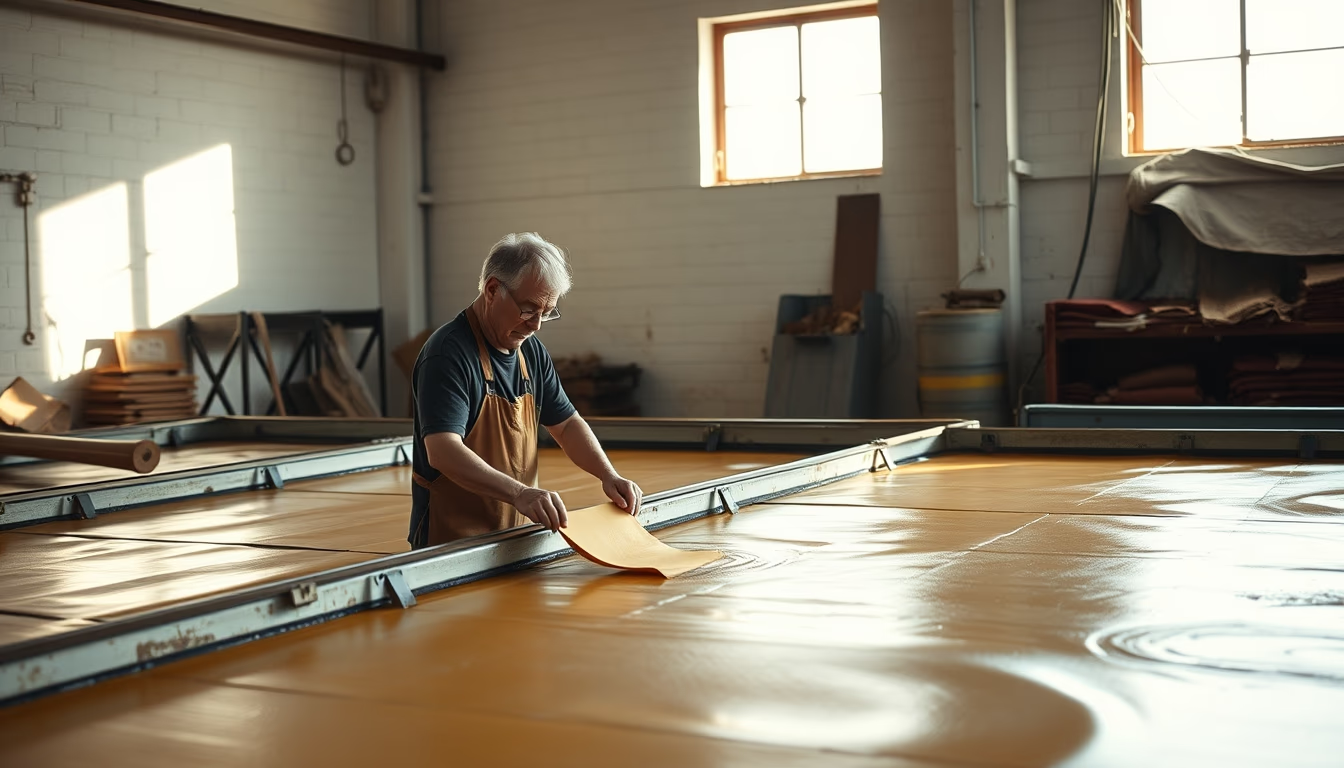
Leather dyeing vats are essential equipment in craftsmanship and industry, where leather gains color through immersion in dye solutions.
About this subject
Leather dyeing is a critical step in leather processing, imparting not only color but also uniformity and durability. Traditionally, tanners use open or closed vats where leather is submerged in dye baths. These dyes can be natural, such as plant extracts (e.g., tannins from acacia or chestnut), or synthetic, developed since the 19th century to offer greater variety and consistency of shades.
Dyeing vats vary in size and material: from small wooden or ceramic containers used by artisans to large rotating stainless steel drums in industry. In the traditional process, leather is pre-moistened and then immersed for hours, with manual or mechanical agitation to ensure even penetration. Temperature and pH of the solution are controlled to fix the dye better. Modern techniques such as vacuum dyeing or spraying complement vat use.
An important aspect is the type of leather: wet-blue leather (chrome-tanned) absorbs dyes differently than vegetable-tanned leather. Therefore, tanners adjust recipes. Dyeing can also be done in multiple stages to create effects such as aniline, which enhances natural texture, or pigmented, which covers imperfections. Maintenance of vats is crucial to avoid contamination and ensure consistent colors.
Interestingly, the practice of dyeing leather dates back millennia, with evidence in ancient Egypt and Rome. Today, synthetic dyeing dominates, but there is a resurgence of natural dyes in sustainable products. The dyeing vat, a symbol of leather transformation, remains a vital tool in leatherworking.
Frequently Asked Questions
What is the difference between natural and synthetic dyes in leather dyeing?
Natural dyes, like plant extracts, produce softer and varied tones, while synthetic ones offer vibrant colors and better light and wash fastness. Naturals are eco-friendly but require more time and mordants.
Are dyeing vats used only for leather?
No, dyeing vats are also used for fabrics, fibers, and other porous materials. For leather, the process is adapted to ensure deep penetration without damaging fibers.
How can a home artisan dye leather without an industrial vat?
Use plastic or stainless steel basins, immersing the leather in diluted liquid dye. Agitate manually and control time. Powder dyes require careful dissolution. Wear gloves and protection.
Direct URL
https://pub-c7d6a6ea828543ac903a74a341ccb2e1.r2.dev/imagens/leather-dyeing-vat-macro-closeup-fresh2.avifHow to credit
Include a visible link back to UtilizAí. Copy one of the snippets below:
<a href="https://xn--utiliza-eza.com/en/midia/imagens/leather-dyeing-vat-macro-closeup-fresh2">Leather dyeing vat</a> by <a href="https://xn--utiliza-eza.com">UtilizAí</a>, licensed under <a href="https://creativecommons.org/licenses/by/4.0/">CC BY 4.0</a>.
[Leather dyeing vat](https://xn--utiliza-eza.com/en/midia/imagens/leather-dyeing-vat-macro-closeup-fresh2) by [UtilizAí](https://xn--utiliza-eza.com), CC BY 4.0
License: CC-BY-4.0