Leather dyeing vat
1344×768 · AVIF · CC BY 4.0
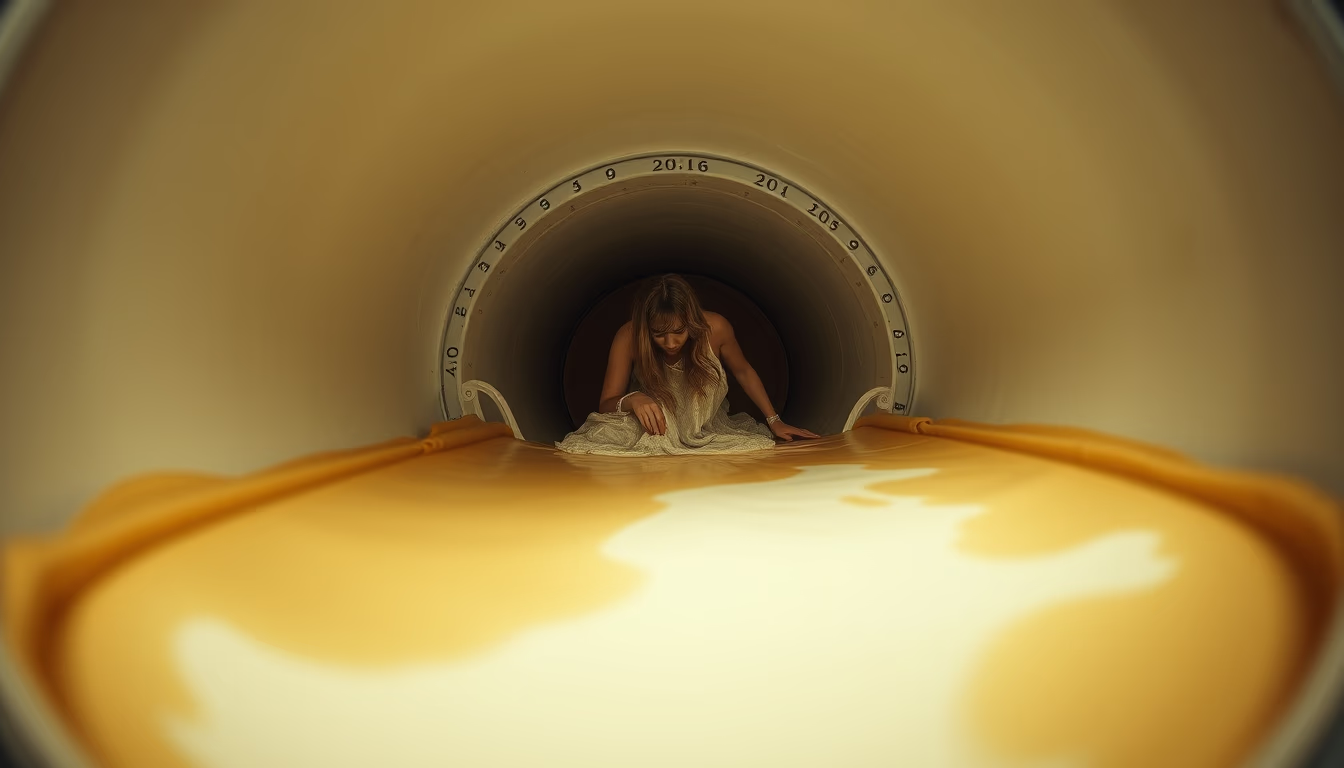
The leather dyeing process in industrial vats combines chemistry, craftsmanship, and tradition to produce durable, colorful materials.
About this subject
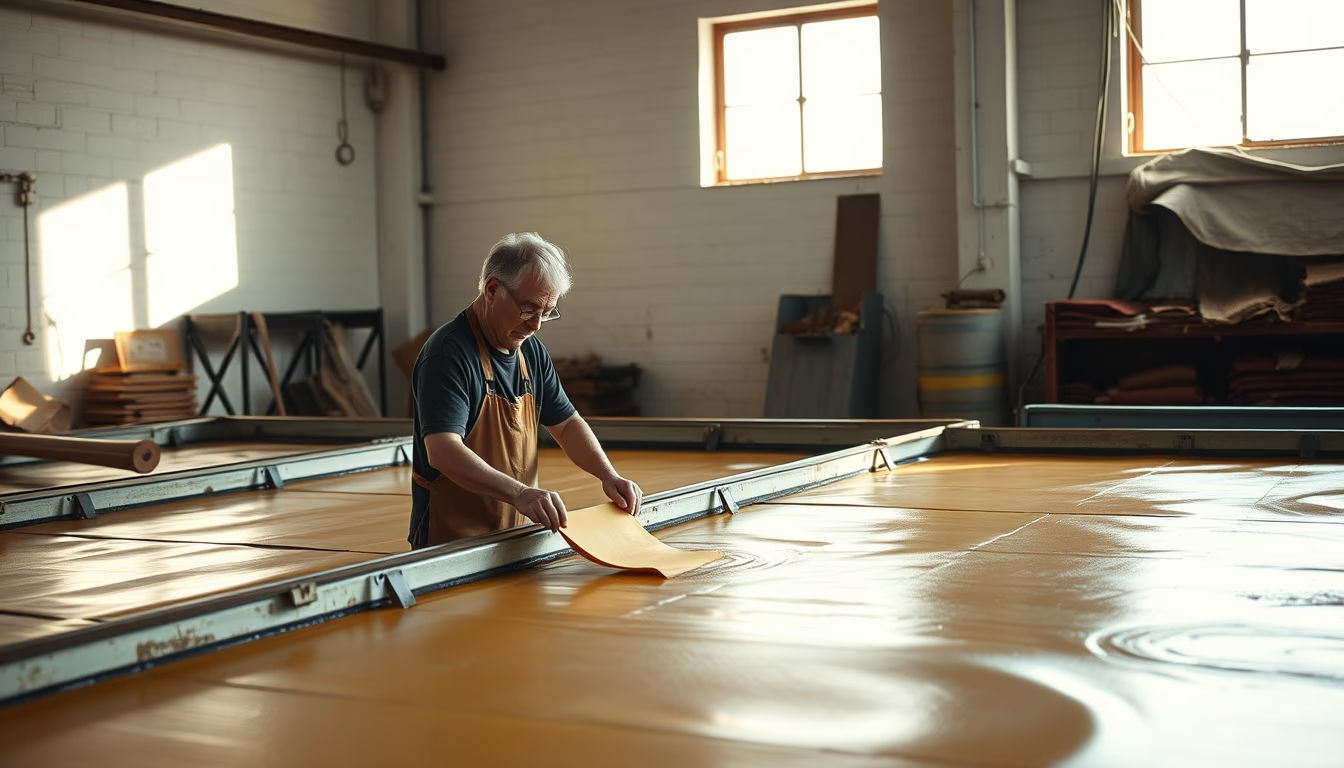
The leather dyeing vat is a central piece of equipment in tanneries, where processed leather receives dyes to achieve the desired color. These vats, typically cylindrical or rectangular, are made of stainless steel to withstand chemicals and high temperatures. The process involves immersing the leather in an aqueous dye solution with constant agitation to ensure even absorption. Factors such as pH, temperature, and bath time are rigorously controlled to prevent stains and ensure pigment fixation.
Different types of dyes are used: aniline dyes, which penetrate deeply into the fibers and preserve natural texture; semi-aniline dyes, which offer partial coverage; and pigmented dyes, which form an opaque surface layer. The choice depends on the desired finish and end use, such as footwear, bags, or upholstery. Major leather dyeing production centers include Brazil, Italy, and India, each with specific traditions and techniques.
Sustainability is a growing concern in leather dyeing. Many tanneries adopt processes that reduce water consumption and effluent discharge, such as using natural dyes and recycling systems. Interestingly, some artisan workshops still use wooden vats for vegetable tanning, preserving century-old methods that impart unique characteristics to the leather. Fish-eye wide-angle photography is often employed to document the interior of these vats, highlighting the scale and complexity of the process.
Frequently Asked Questions
What are the main types of dyes used in leather?
The main types are aniline, semi-aniline, and pigmented dyes. Aniline dyes penetrate deeply and preserve natural texture, while pigmented dyes form an opaque surface layer. Semi-aniline dyes fall in between.
Is leather dyeing a sustainable process?
It can be, when modern techniques are adopted. Tanneries are reducing water consumption and using natural dyes or recycling systems. However, older processes can generate significant waste.
How does temperature affect dye absorption in leather?
Temperature controls the opening of leather fibers and the speed of the chemical reaction. Higher temperatures generally accelerate absorption, but can damage the leather if excessive. The ideal range is 40°C to 60°C, depending on the dye.
Direct URL
https://pub-c7d6a6ea828543ac903a74a341ccb2e1.r2.dev/imagens/leather-dyeing-vat-fish-eye-wide-angle-fresh15.avifHow to credit
Include a visible link back to UtilizAí. Copy one of the snippets below:
<a href="https://xn--utiliza-eza.com/en/midia/imagens/leather-dyeing-vat-fish-eye-wide-angle-fresh15">Leather dyeing vat</a> by <a href="https://xn--utiliza-eza.com">UtilizAí</a>, licensed under <a href="https://creativecommons.org/licenses/by/4.0/">CC BY 4.0</a>.
[Leather dyeing vat](https://xn--utiliza-eza.com/en/midia/imagens/leather-dyeing-vat-fish-eye-wide-angle-fresh15) by [UtilizAí](https://xn--utiliza-eza.com), CC BY 4.0
License: CC-BY-4.0