Leather dyeing vat
1344×768 · AVIF · CC BY 4.0
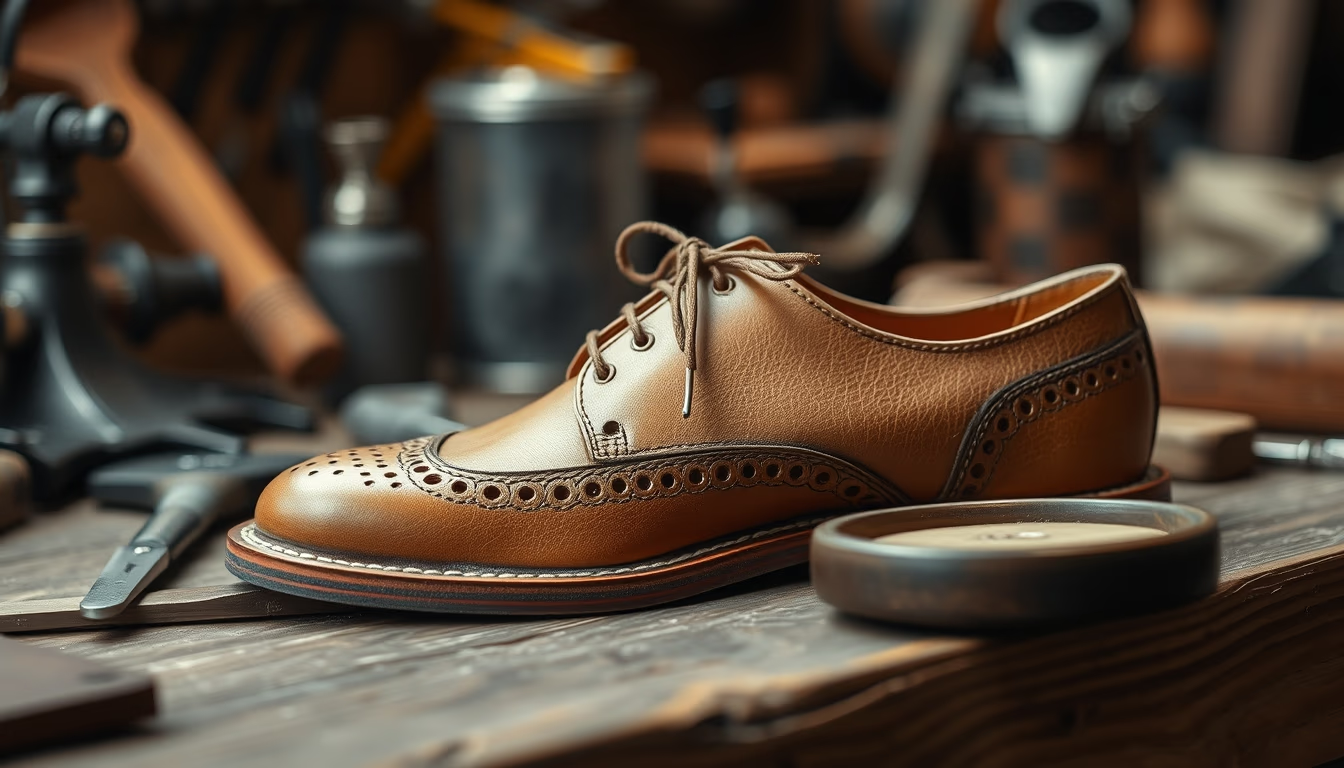
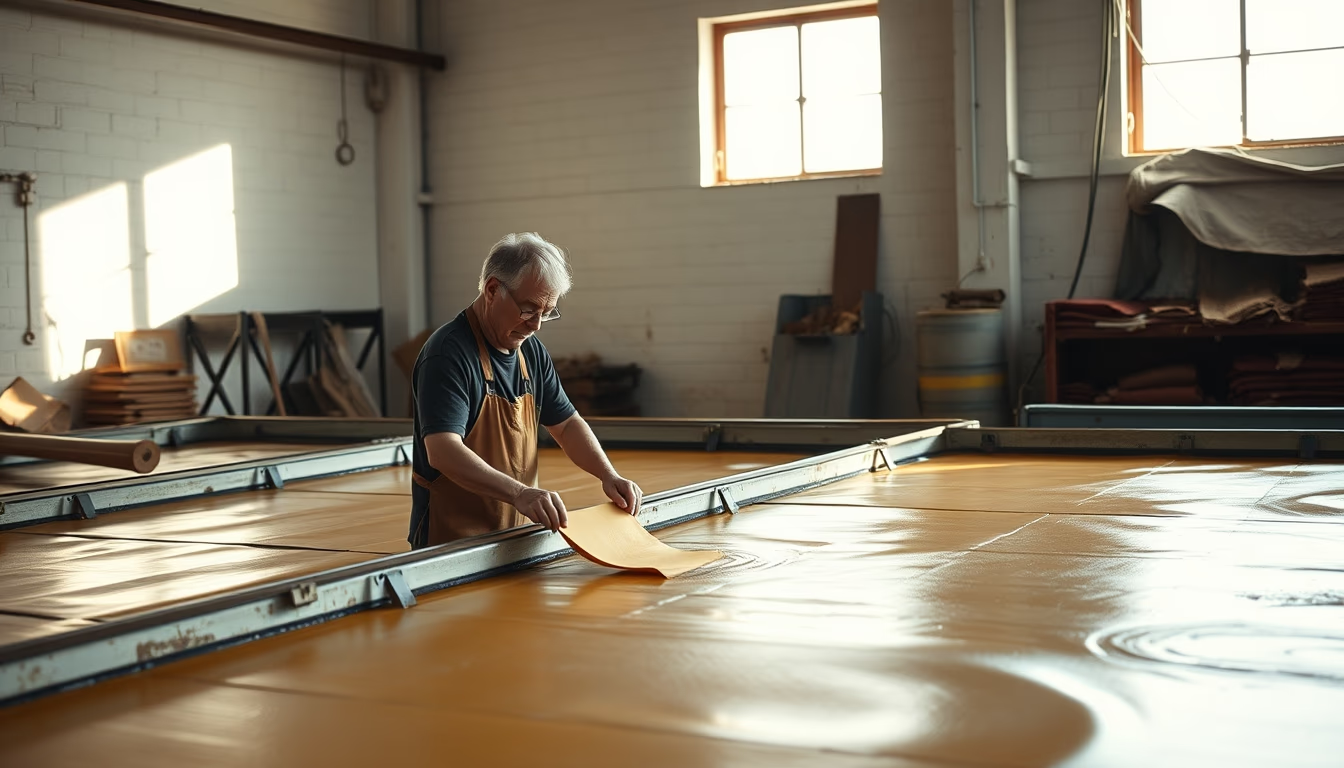
A leather dyeing vat is essential equipment in the tanning industry, used to apply dyes to hides evenly and durably.
About this subject
The leather dyeing vat, also known as a dyeing drum, is a rotating or static vessel where hides are immersed in dye baths. This equipment ranges in size from small artisanal vats to large industrial drums capable of handling hundreds of kilograms of leather. The dyeing process takes place after tanning, when the leather is stabilized and ready for pigment application. Common dyes are synthetic, but natural options such as tannins and Brazilwood extract are also used.
In traditional methods, hides are submerged in an aqueous dye solution inside the vat, which may be heated to speed up penetration. Constant agitation, achieved either by drum rotation or circulation pumps, ensures even coverage. The bath duration varies depending on the leather type and desired effect, from a few hours to a full day. After dyeing, the leather is rinsed and fixed to prevent fading.
Historically, leather dyeing was practiced by ancient civilizations like the Egyptians and Chinese using natural dyes. Industrialization introduced metal vats and automation, allowing precise control of temperature and time. Modern tanneries use vacuum dyeing and injection systems in rotating drums. Proper vat selection directly affects final quality: well-executed dyeing enhances texture and durability.
Interestingly, the term "vat" also refers to large fermentation vessels, but in leatherwork, these vats are designed to withstand harsh chemicals. Regular maintenance prevents cross-contamination between color batches. Responsible disposal of dyeing effluents is crucial to minimize environmental impact, as many dyes contain heavy metals or organic compounds.
Frequently Asked Questions
What is the difference between a dyeing vat and a dyeing drum?
In practice, the terms are used interchangeably, but a vat usually refers to a static container, while a drum is a rotating vessel that mechanically agitates the hides.
How long does the dyeing process take in a vat?
It depends on the leather type and dye, but typically ranges from 4 to 24 hours. Thicker leathers or those needing deep penetration require longer baths.
Is vat dyeing environmentally friendly?
It can be, provided proper effluent treatment is in place. Many modern tanneries use water recycling systems and low-heavy-metal dyes to reduce environmental impact.
Direct URL
https://pub-c7d6a6ea828543ac903a74a341ccb2e1.r2.dev/imagens/leather-dyeing-vat-film-grain-authentic-fresh10.avifHow to credit
Include a visible link back to UtilizAí. Copy one of the snippets below:
<a href="https://xn--utiliza-eza.com/en/midia/imagens/leather-dyeing-vat-film-grain-authentic-fresh10">Leather dyeing vat</a> by <a href="https://xn--utiliza-eza.com">UtilizAí</a>, licensed under <a href="https://creativecommons.org/licenses/by/4.0/">CC BY 4.0</a>.
[Leather dyeing vat](https://xn--utiliza-eza.com/en/midia/imagens/leather-dyeing-vat-film-grain-authentic-fresh10) by [UtilizAí](https://xn--utiliza-eza.com), CC BY 4.0
License: CC-BY-4.0