Leather briefcase italian
1344×768 · AVIF · CC BY 4.0
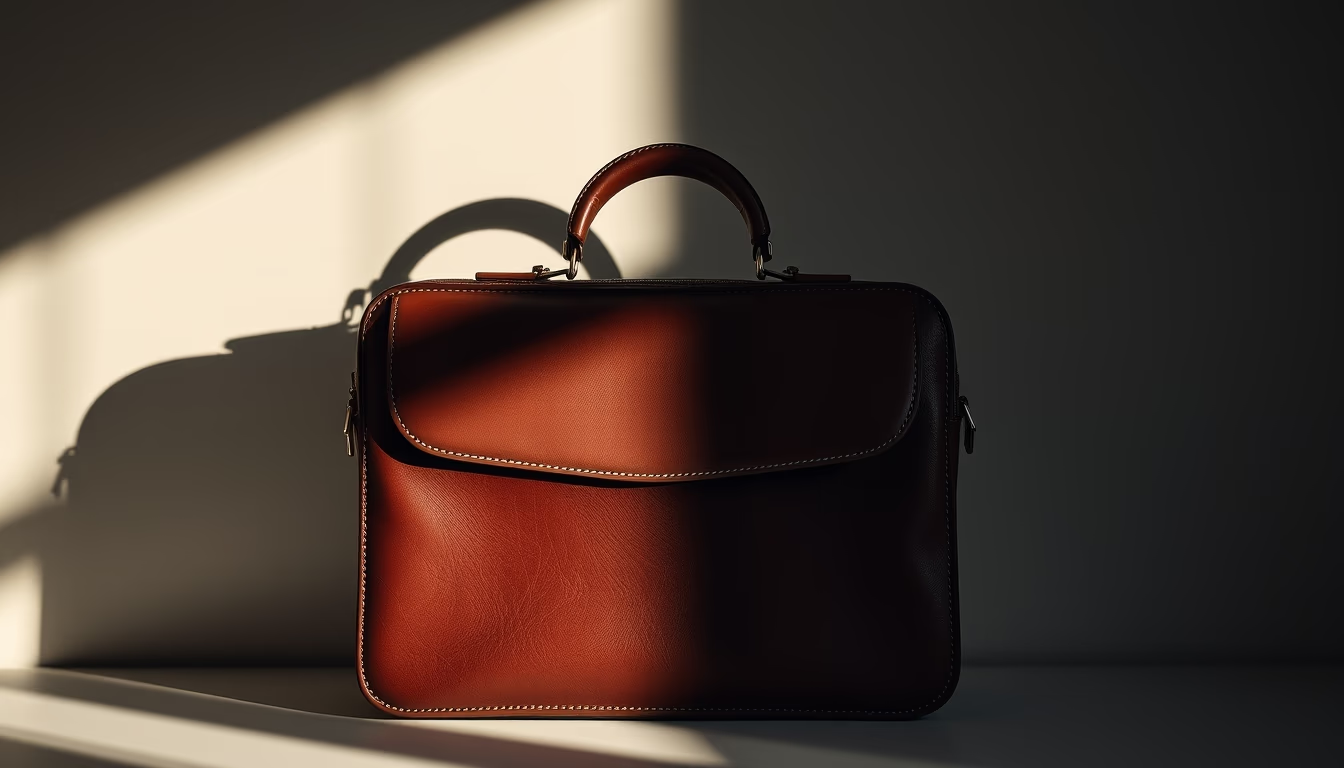
The Italian leather briefcase represents the pinnacle of artisanal leatherwork, combining noble leathers, centuries-old techniques, and timeless design.
About this subject
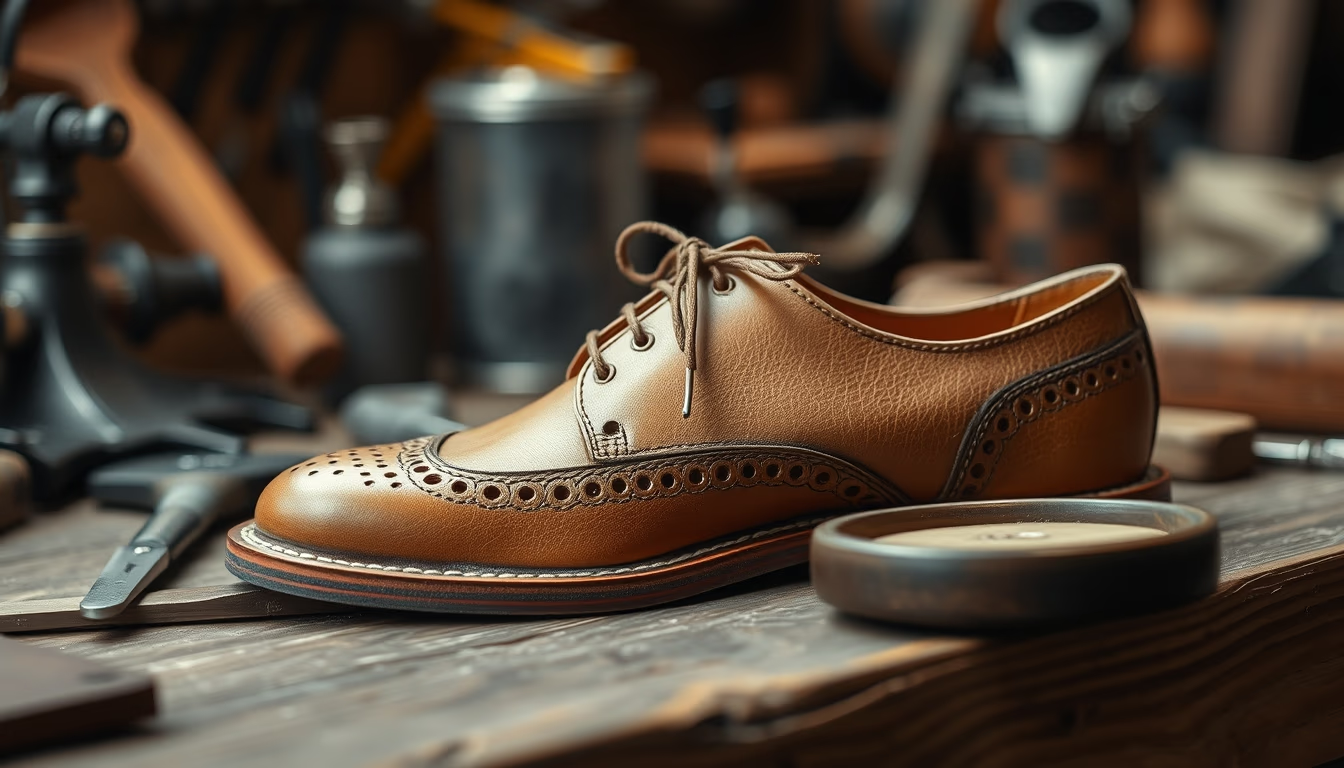
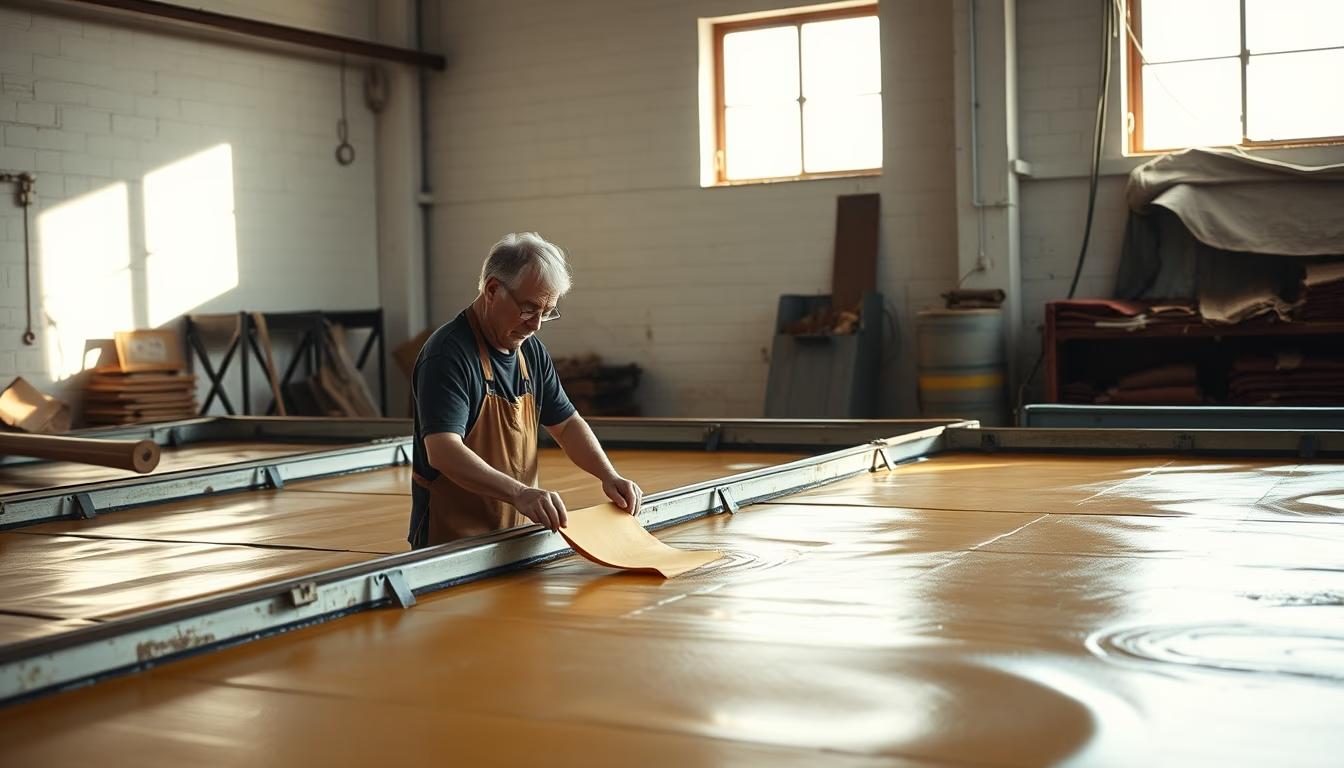
The Italian leather briefcase is far more than a professional accessory; it is a symbol of tradition and quality. Produced mainly in Tuscany, especially Florence, these briefcases are made from vegetable-tanned leather, cured with natural tree tannins, which ensures durability and a unique patina over time. The artisanal process involves multiple stages, from rigorous hide selection to hand-stitching with waxed threads, a technique dating back to the Renaissance.
The classic design of Italian briefcases includes brass locks, reinforced corners, and functional internal compartments. Brands like Prada, Gucci, and Bottega Veneta popularized the model, but small family workshops keep the tradition alive. A curiosity: the term 'briefcase' derives from the Italian 'portafogli' (document wallet), and the modern executive style was consolidated in the 20th century, influenced by American cinema, such as in Wall Street movies.
Beyond aesthetics, sustainability is a key advantage. Italian vegetable-tanned leather is biodegradable and, with proper care, can last decades. Maintenance includes moisturizing with specific creams and storing in a ventilated place. Many craftsmen offer lifetime repairs, underscoring their commitment to longevity.
Today, the Italian leather briefcase is a symbol of understated status, used by professionals who value heritage and functionality. Its high price reflects production time: an artisanal briefcase takes 20 to 40 hours to complete, depending on the complexity of the design.
Frequently Asked Questions
How to identify a genuine Italian leather briefcase?
Check the label of origin: Italian vegetable-tanned leather often has 'Conciaria Italiana' certification. The texture should be natural with subtle imperfections, and the scent slightly tanic. Hand-stitching shows irregular stitches, while machine stitching is perfectly uniform.
What is the difference between vegetable-tanned and chrome-tanned leather?
Vegetable-tanned leather is tanned with natural tannins (tree bark), taking weeks or months. Chrome-tanned leather uses chromium salts, a faster and cheaper process, but less durable and does not develop a patina. Vegetable-tanned is initially stiffer but molds with use.
How to care for an Italian leather briefcase?
Avoid prolonged sun and moisture exposure. Clean with a dry cloth and apply specific leather moisturizer every three months. Use a wax conditioner for protection. If wet, dry naturally away from heat sources. Store in a cotton bag.
Direct URL
https://pub-c7d6a6ea828543ac903a74a341ccb2e1.r2.dev/imagens/leather-briefcase-italian-rembrandt-lighting-dramatic-shadows-fresh10.avifHow to credit
Include a visible link back to UtilizAí. Copy one of the snippets below:
<a href="https://xn--utiliza-eza.com/en/midia/imagens/leather-briefcase-italian-rembrandt-lighting-dramatic-shadows-fresh10">Leather briefcase italian</a> by <a href="https://xn--utiliza-eza.com">UtilizAí</a>, licensed under <a href="https://creativecommons.org/licenses/by/4.0/">CC BY 4.0</a>.
[Leather briefcase italian](https://xn--utiliza-eza.com/en/midia/imagens/leather-briefcase-italian-rembrandt-lighting-dramatic-shadows-fresh10) by [UtilizAí](https://xn--utiliza-eza.com), CC BY 4.0
License: CC-BY-4.0