Lapel mic clip
1344×768 · AVIF · CC BY 4.0

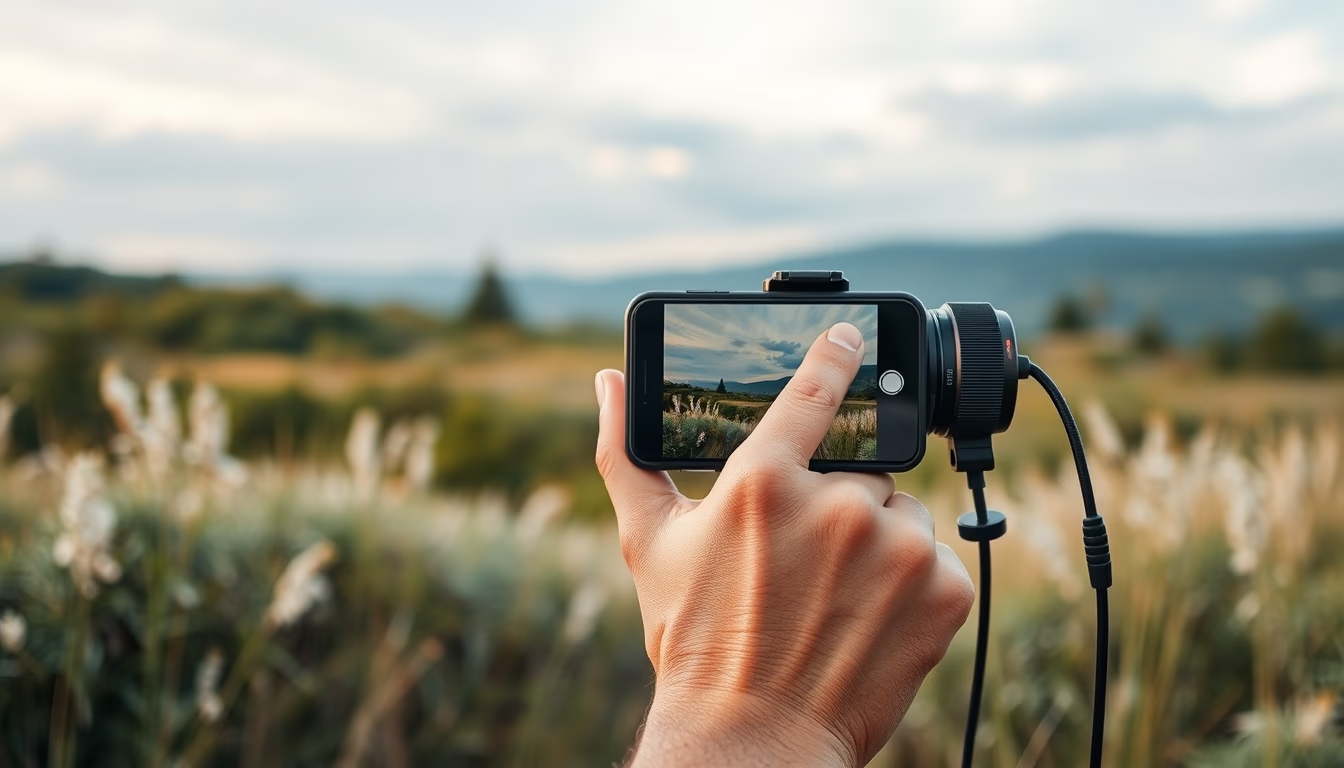
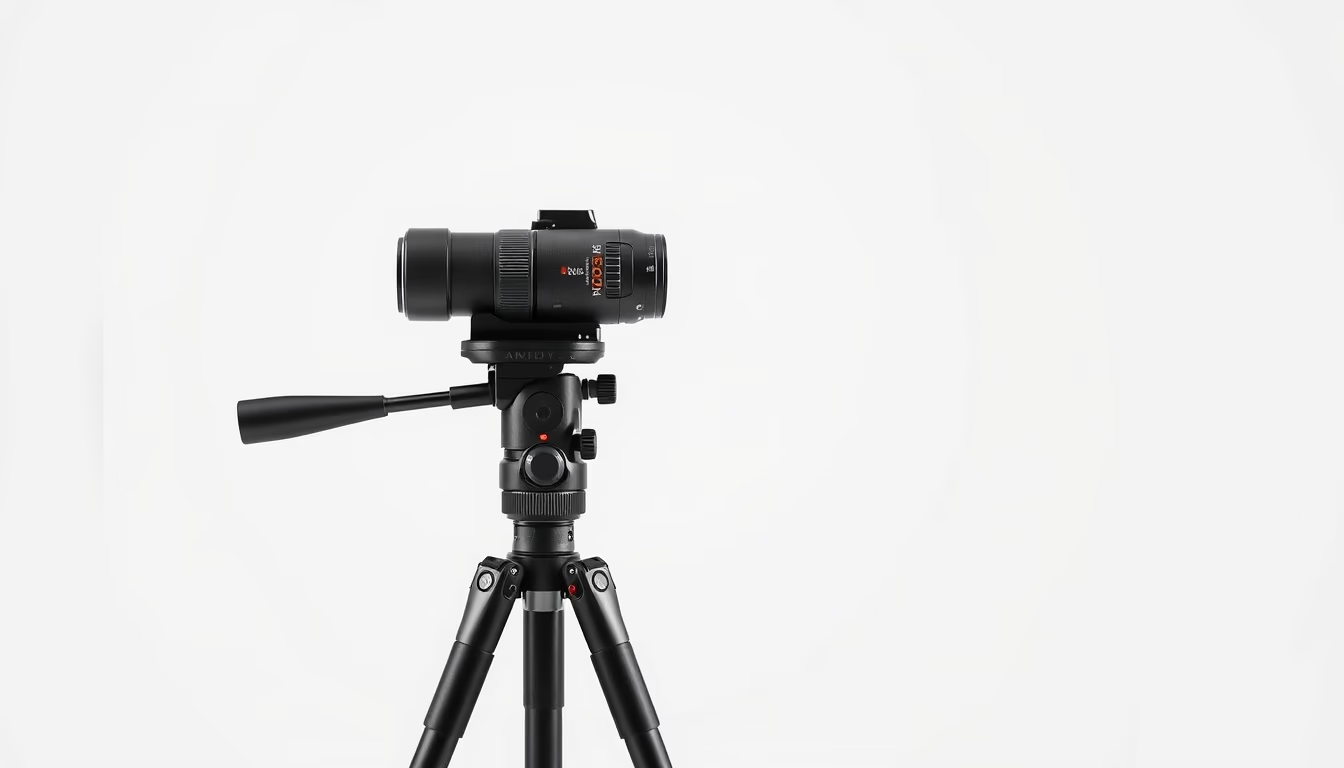
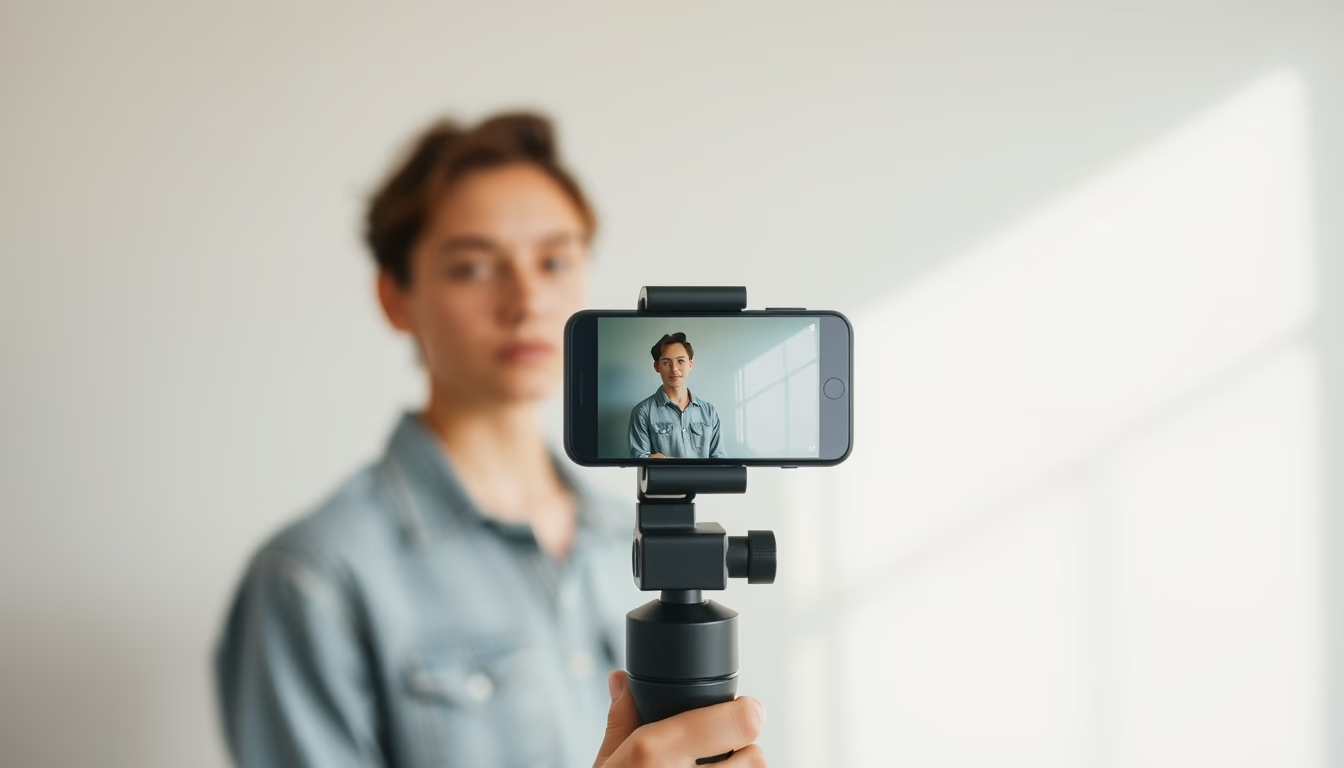
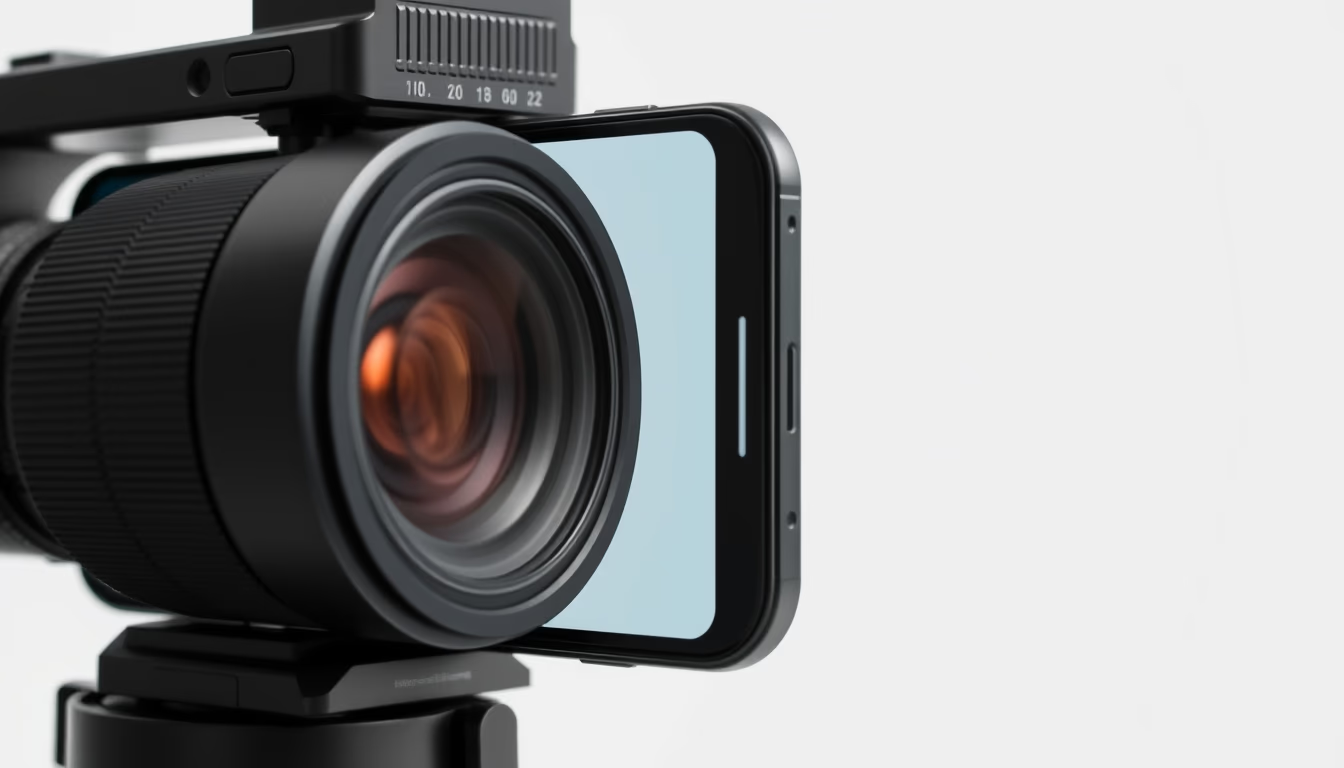
The lapel mic clip, essential for audio capture in documentaries, ensures discretion and sound quality.
About this subject
The lapel mic clip is an essential accessory for video and audio professionals, especially in documentary production. Its main function is to attach the lapel microphone (also known as a lavalier mic) to the interviewee's clothing, keeping the microphone positioned close to the mouth without being visible in the frame. This allows for clear audio capture with minimal ambient noise, crucial for interviews and direct-sound narratives.
There are various types of clips, differing in materials like plastic or metal, and designs that adapt to different fabrics. Most common clips have a back clasp to attach to the fabric and a base where the microphone is inserted. Many models include a rubber or foam mount to isolate vibrations and prevent rustling noises. In documentaries, the choice of clip affects not only audio quality but also the interviewee's mobility and comfort.
Historically, the lapel microphone was invented for television broadcasts and later adopted by film and video. Today, with the rise of wireless microphones, clips have evolved to integrate compact transmitters. However, the principle remains the same: keep the microphone discreet and efficient. Attention to details such as avoiding clips that damage delicate fabrics and correct positioning are skills that experienced professionals master.
Interestingly, the term "lapel" comes from the Latin word for "lip", but the microphone is popularly associated with the lapel of a jacket. In observational documentaries, the use of the clip is almost ubiquitous, allowing viewers to hear every word without noticing the technique involved.
Frequently Asked Questions
What is the difference between a regular lapel clip and a professional one?
Professional clips are often made of metal with a rubberized coating for better grip and vibration dampening, while regular ones are plastic and may not isolate rustling noises.
How to avoid clothing noise when using a lapel microphone?
Use a clip with a foam or rubber mount, position the microphone on a less friction-prone area (like near the collar), and secure excess cable with tape or clips.
Does the lapel clip work with any microphone?
Most clips are universal, but some microphones have proprietary clips. Check the microphone diameter (usually 4-6 mm) and the attachment before buying a separate clip.
Direct URL
https://pub-c7d6a6ea828543ac903a74a341ccb2e1.r2.dev/imagens/lapel-mic-clip-documentary-photography-fresh11.avifHow to credit
Include a visible link back to UtilizAí. Copy one of the snippets below:
<a href="https://xn--utiliza-eza.com/en/midia/imagens/lapel-mic-clip-documentary-photography-fresh11">Lapel mic clip</a> by <a href="https://xn--utiliza-eza.com">UtilizAí</a>, licensed under <a href="https://creativecommons.org/licenses/by/4.0/">CC BY 4.0</a>.
[Lapel mic clip](https://xn--utiliza-eza.com/en/midia/imagens/lapel-mic-clip-documentary-photography-fresh11) by [UtilizAí](https://xn--utiliza-eza.com), CC BY 4.0
License: CC-BY-4.0