Laocoon group sculpture
1344×768 · JPG · CC BY 4.0
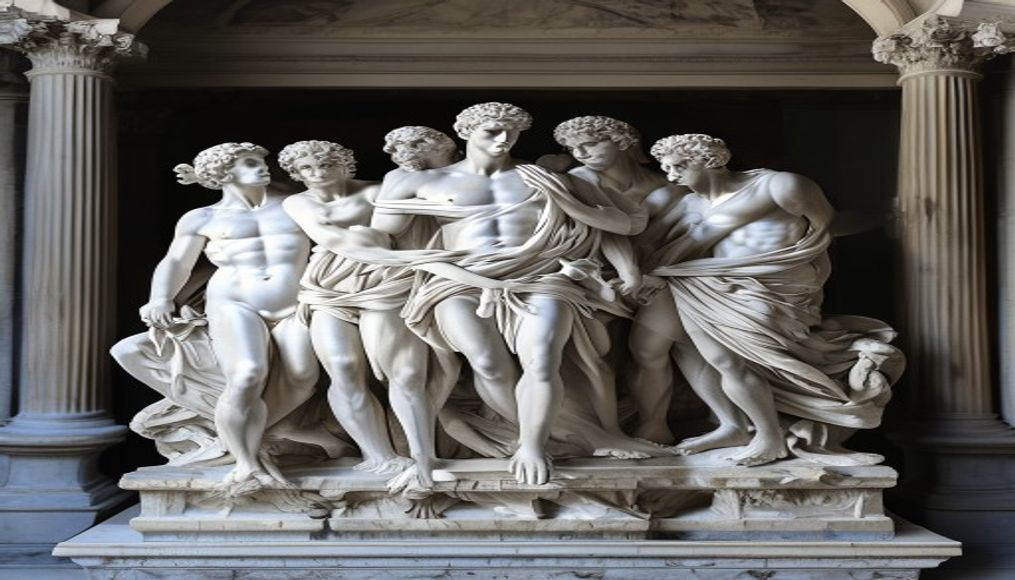
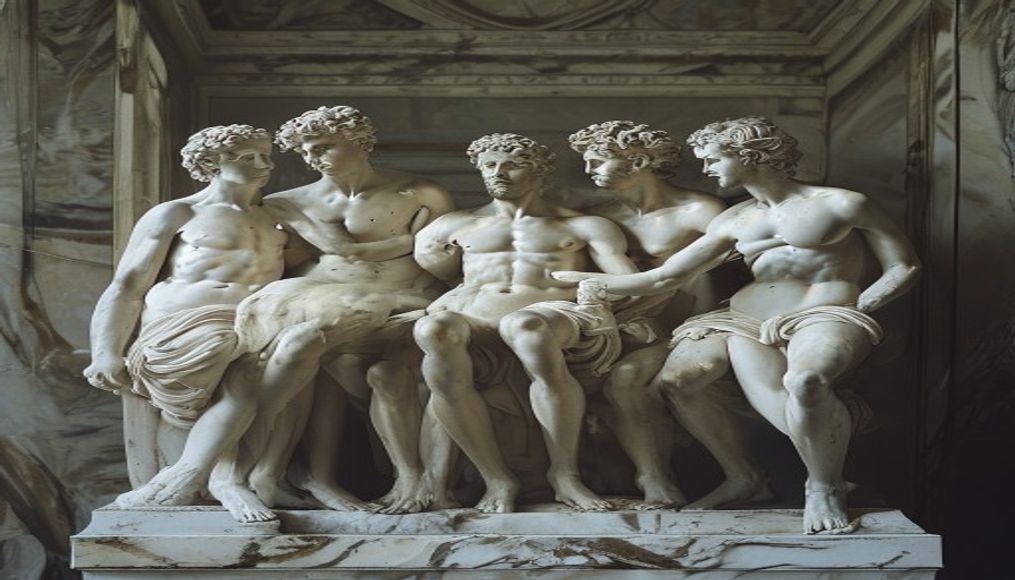
The Laocoön Group is a Hellenistic sculpture depicting the Trojan priest and his sons attacked by sea serpents, a masterpiece of antiquity.
About this subject
The Laocoön Group, also known as Laocoön and His Sons, is a monumental marble sculpture from the Hellenistic period, likely dating to the 1st century BC. It was carved by three Rhodian artists: Agesander, Athenodoros, and Polydorus. The sculpture depicts the Trojan priest Laocoön and his two sons, Antiphates and Thymbraeus, being killed by sea serpents, an episode narrated in Virgil's Aeneid, though the scene originates from earlier Greek myths.
Discovered in 1506 in the ruins of Nero's palace in Rome, the sculpture caused an immediate sensation. Pope Julius II acquired it and placed it in the Vatican, where it remains today in the Vatican Museums. The work profoundly influenced Renaissance artists, including Michelangelo, who may have participated in the initial restoration. The dramatic pose, the expression of suffering in the bodies, and the spiral composition are hallmark features of the Hellenistic Baroque style.
There is scholarly debate about the exact dating of the sculpture. Some believe it is a Roman copy of a Greek bronze original, while others argue it is an original Hellenistic work. Marble and style analyses suggest a date between 200 BC and 70 AD. The work has also been subject to restoration controversies, notably the addition of a right arm for Laocoön, which was removed in the 20th century after the discovery of the original arm.
The importance of the Laocoön Group transcends art. It symbolizes human tragedy, the conflict between fate and resistance. Its depiction of physical and emotional suffering influenced Western aesthetics and continues to be studied in art history courses. The sculpture also inspired literary works, such as Lessing's essay 'Laocoön: An Essay on the Limits of Painting and Poetry', which discusses the differences between visual arts and literature.
Frequently Asked Questions
What is the mythological origin of the Laocoön Group?
The scene depicted comes from Greek mythology and Virgil's Aeneid. Laocoön was a Trojan priest who warned the Trojans about the Trojan Horse, and as punishment, the gods sent sea serpents to kill him and his sons.
Where is the Laocoön Group currently displayed?
The sculpture is housed in the Vatican Museums in Vatican City, where it has been since Pope Julius II acquired it in 1506.
Why is the Laocoön Group so important in art history?
It is considered a masterpiece of the Hellenistic period, influenced Renaissance artists like Michelangelo, and sparked debates about aesthetics and restoration. It also inspired Lessing's essay on the limits of painting and poetry.
Direct URL
https://pub-c7d6a6ea828543ac903a74a341ccb2e1.r2.dev/imagens/laocoon-group-sculpture-architectural-photography-p3.jpgHow to credit
Include a visible link back to UtilizAí. Copy one of the snippets below:
<a href="https://xn--utiliza-eza.com/en/midia/imagens/laocoon-group-sculpture-architectural-photography-p3">Laocoon group sculpture</a> by <a href="https://xn--utiliza-eza.com">UtilizAí</a>, licensed under <a href="https://creativecommons.org/licenses/by/4.0/">CC BY 4.0</a>.
[Laocoon group sculpture](https://xn--utiliza-eza.com/en/midia/imagens/laocoon-group-sculpture-architectural-photography-p3) by [UtilizAí](https://xn--utiliza-eza.com), CC BY 4.0
License: CC-BY-4.0