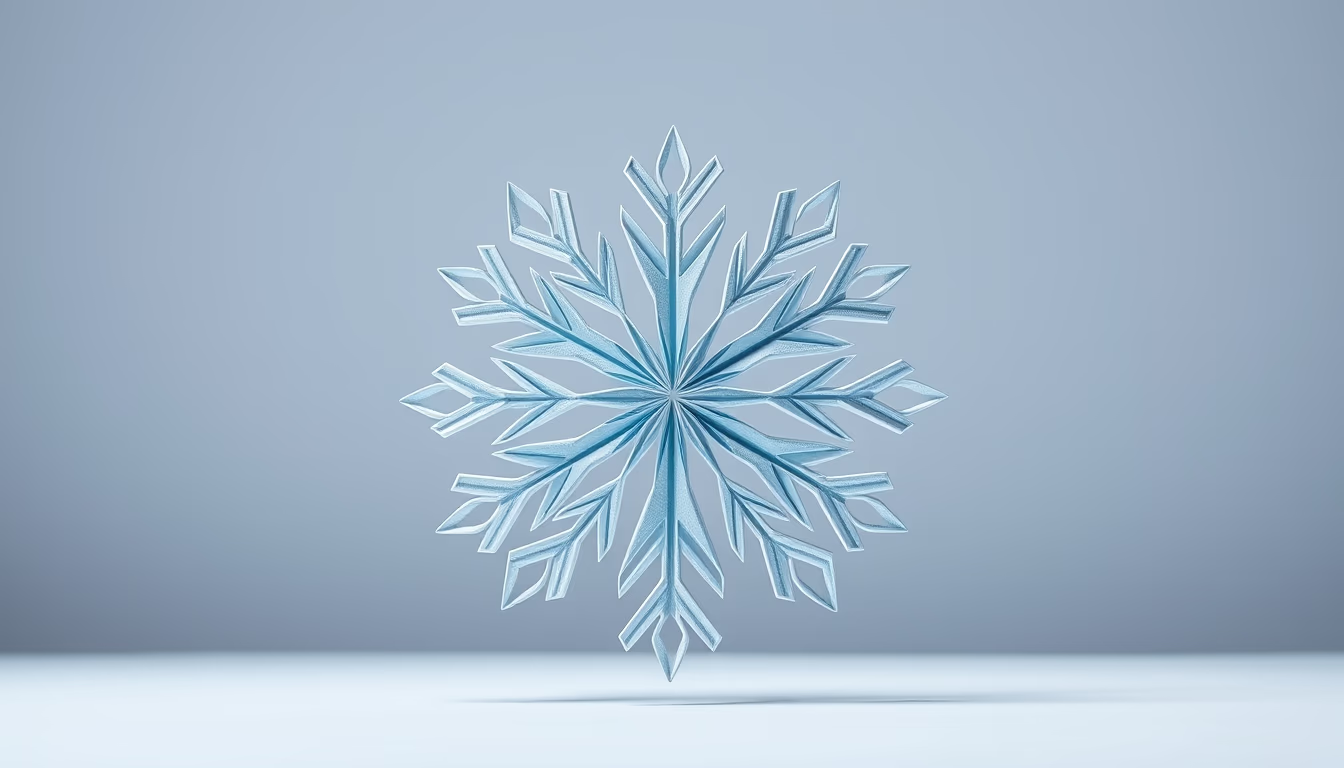
Kirigami snowflake
1344×768 · AVIF · CC BY 4.0
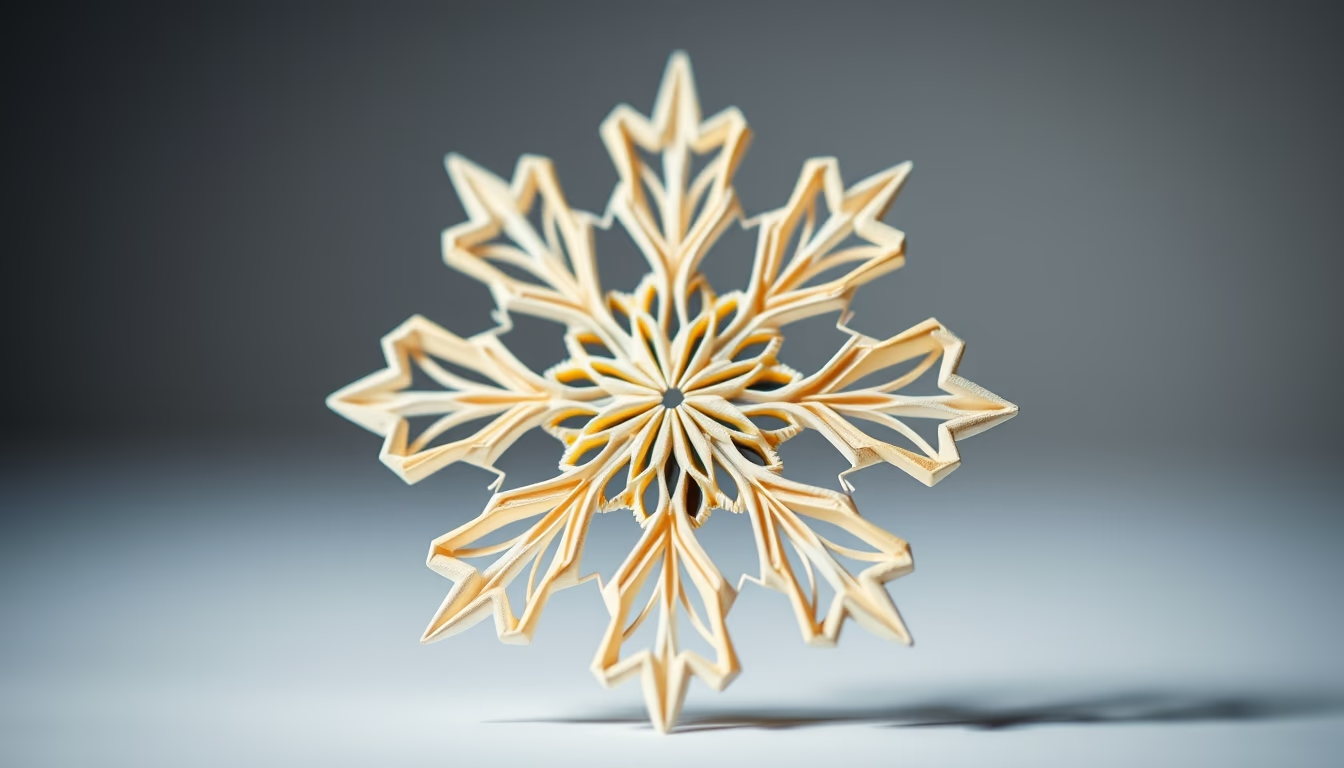
Kirigami é a arte japonesa de cortar e dobrar papel, originando flocos de neve tridimensionais que combinam tradição e precisão geométrica.
Sobre o tema
O kirigami, variação do origami que permite cortes no papel, é uma técnica milenar japonesa que ganhou popularidade global como forma de arte decorativa. Diferente do origami que apenas dobra, o kirigami utiliza tesouras ou estiletes para recortar padrões intrincados, resultando em peças como flocos de neve tridimensionais. Essas criações são frequentemente usadas em decorações sazonais, especialmente no inverno e durante festividades como o Natal, tanto no Japão quanto em outras culturas.
A simetria dos flocos de neve naturais inspirou artistas a replicar suas estruturas hexagonais em papel. No kirigami, um quadrado de papel é dobrado várias vezes antes de ser cortado, criando padrões repetitivos que, quando abertos, revelam formas complexas e simétricas. A espessura e a textura do papel influenciam o resultado final: papéis mais finos permitem cortes mais delicados, enquanto papéis mais grossos dão maior robustez à peça.
Além do aspecto decorativo, o kirigami desenvolve habilidades motoras finas e paciência, sendo praticado em oficinas educativas e terapêuticas. A técnica também é aplicada em engenharia de materiais e design, onde inspirou estruturas retráteis e painéis solares flexíveis. Apesar de sua origem no Japão feudal, o termo "kirigami" foi cunhado apenas no século XX, popularizado por artistas como Florence Temko e Robert Sabuda, que o difundiram em livros pop-up.
No Brasil, o kirigami é apreciado por artesãos e educadores como atividade criativa de baixo custo. A combinação com o efeito tilt-shift, que miniaturiza a cena, realça a ilusão de profundidade e delicadeza dos flocos, mas o foco permanece na habilidade manual e na simetria que remete à perfeição efêmera da natureza.
Perguntas frequentes
Qual a diferença entre kirigami e origami?
Kirigami permite cortes no papel, enquanto o origami utiliza apenas dobras. O kirigami pode incluir dobras, mas a principal diferença é o uso de tesoura ou estilete para recortar padrões.
Que tipo de papel é ideal para fazer kirigami de floco de neve?
Papéis finos como papel seda ou papel sulfite de gramatura 75-90 g/m² são mais fáceis de cortar e dobram bem. Papéis mais grossos dificultam cortes detalhados, mas produzem peças mais duráveis.
O kirigami tem aplicações além da decoração?
Sim, a técnica inspira engenharia de estruturas retráteis, design de painéis solares e até stents médicos. Na educação, é usado para ensinar geometria e coordenação motora.
URL direta
https://pub-c7d6a6ea828543ac903a74a341ccb2e1.r2.dev/imagens/kirigami-snowflake-tilt-shift-miniature-fresh2.avifComo creditar
Inclua um link visível de volta pro UtilizAí. Copie um dos snippets abaixo:
<a href="https://xn--utiliza-eza.com/midia/imagens/kirigami-snowflake-tilt-shift-miniature-fresh2">Kirigami snowflake</a> by <a href="https://xn--utiliza-eza.com">UtilizAí</a>, licensed under <a href="https://creativecommons.org/licenses/by/4.0/">CC BY 4.0</a>.
[Kirigami snowflake](https://xn--utiliza-eza.com/midia/imagens/kirigami-snowflake-tilt-shift-miniature-fresh2) by [UtilizAí](https://xn--utiliza-eza.com), CC BY 4.0
Licença: CC-BY-4.0