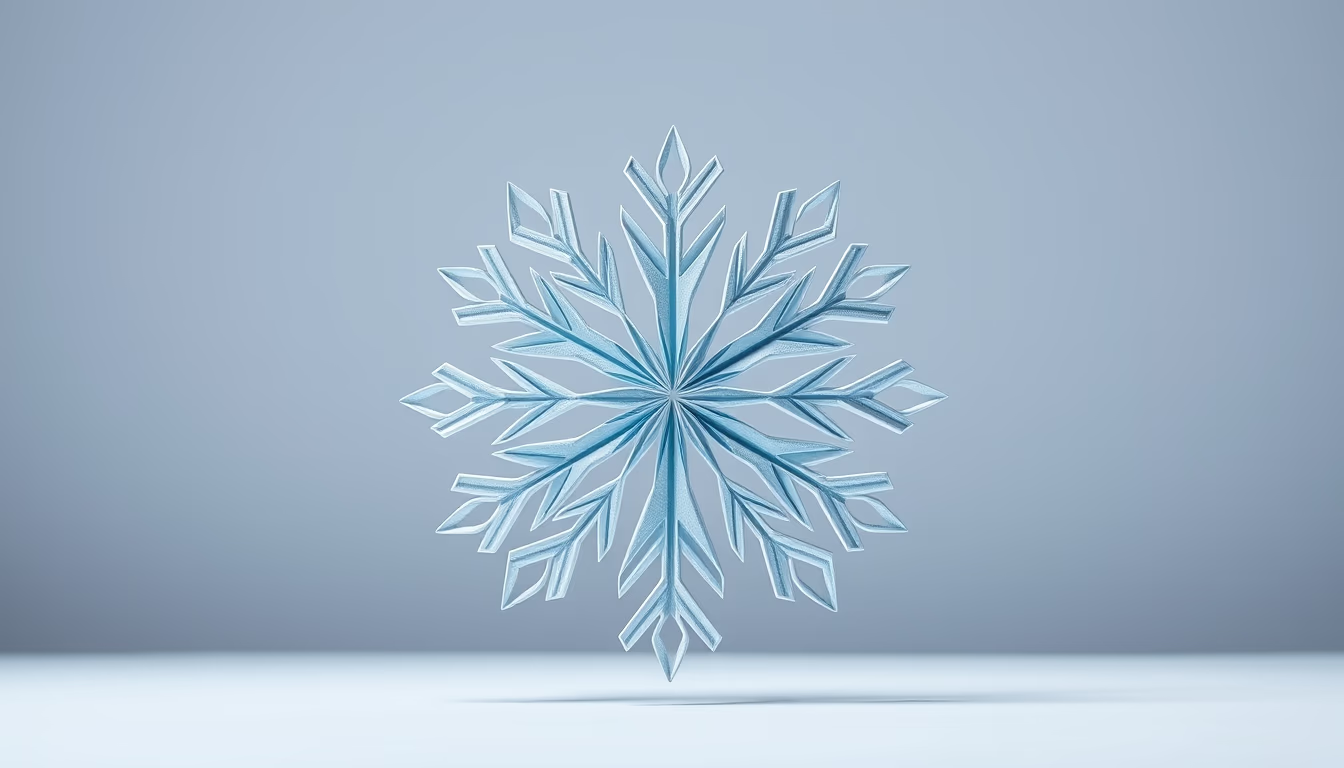
Kirigami snowflake
1344×768 · AVIF · CC BY 4.0
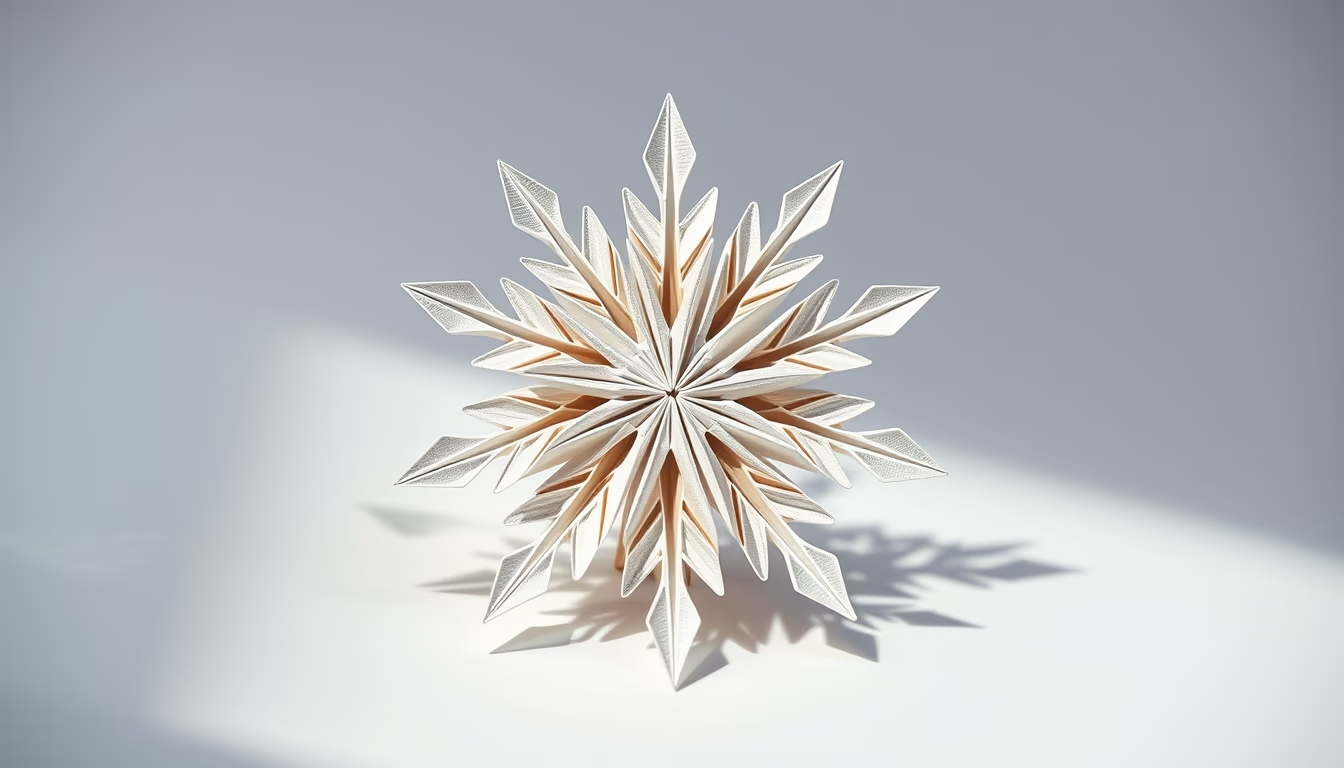
Kirigami snowflakes combine Japanese paper-cutting tradition with the symmetry of ice crystals, creating highly precise decorative pieces.
About this subject
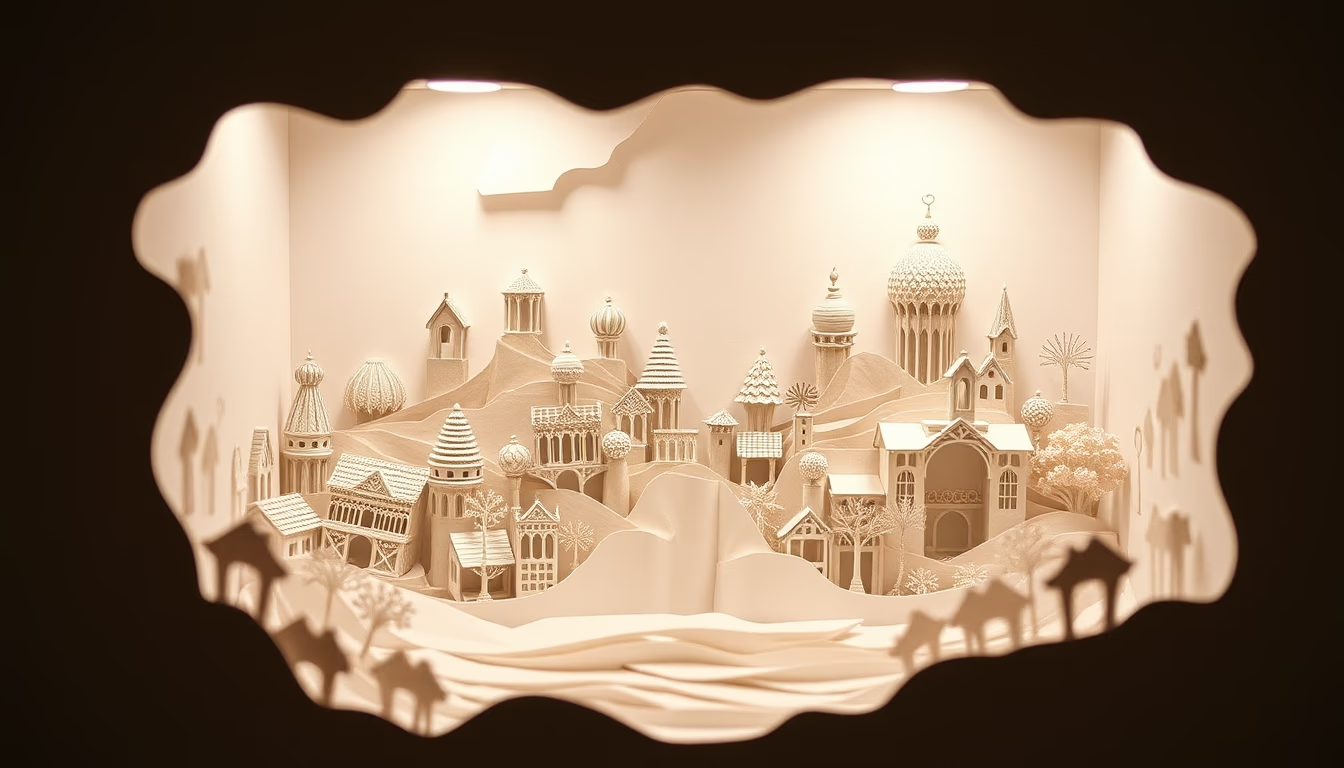
Kirigami is a Japanese art that differs from origami by allowing cuts in paper, in addition to folds. The technique originated in Japan around the 7th century, associated with Shinto religious ceremonies, but gained worldwide popularity as a creative and decorative activity. Kirigami snowflakes explore the radial symmetry typical of natural ice crystals, which can have hexagonal or dendritic shapes. To create a snowflake, the artist folds a sheet of paper into six or eight parts and cuts symmetrical patterns. Once opened, the result is a piece with mirrored repetitions. This technique demands precision, as a poorly planned cut can tear the delicate structure. In Western culture, paper snowflakes are associated with winter and Christmas, while in Japan kirigami is used for cards and seasonal decorations. The rise of online tutorials has made kirigami accessible to beginners, who can use templates or create their own designs. Common materials include printer paper, tracing paper, or even recycled paper. Besides snowflakes, kirigami can represent flowers, animals, and geometric shapes, always leveraging the symmetry obtained from folding. The combination of cutting and folding allows intricate details that challenge two-dimensional perception.
Frequently Asked Questions
What is the difference between kirigami and origami?
In origami, only folding is allowed. In kirigami, in addition to folding, the paper can be cut with scissors or a craft knife, allowing openwork patterns and cutouts.
What kind of paper is best for making kirigami snowflakes?
Lightweight, low-grammage paper like 75 gsm printer paper works well. Vellum or tissue paper are also options, as they cut easily and hold the fold.
Do kirigami snowflakes have cultural significance?
Yes, in Japan they are used for winter festivals and Christmas. In the West, they are symbols of the cold season and manual creativity, often made by children in schools.
Direct URL
https://pub-c7d6a6ea828543ac903a74a341ccb2e1.r2.dev/imagens/kirigami-snowflake-magazine-editorial-fresh11.avifHow to credit
Include a visible link back to UtilizAí. Copy one of the snippets below:
<a href="https://xn--utiliza-eza.com/en/midia/imagens/kirigami-snowflake-magazine-editorial-fresh11">Kirigami snowflake</a> by <a href="https://xn--utiliza-eza.com">UtilizAí</a>, licensed under <a href="https://creativecommons.org/licenses/by/4.0/">CC BY 4.0</a>.
[Kirigami snowflake](https://xn--utiliza-eza.com/en/midia/imagens/kirigami-snowflake-magazine-editorial-fresh11) by [UtilizAí](https://xn--utiliza-eza.com), CC BY 4.0
License: CC-BY-4.0