Kirigami snowflake
1344×768 · AVIF · CC BY 4.0
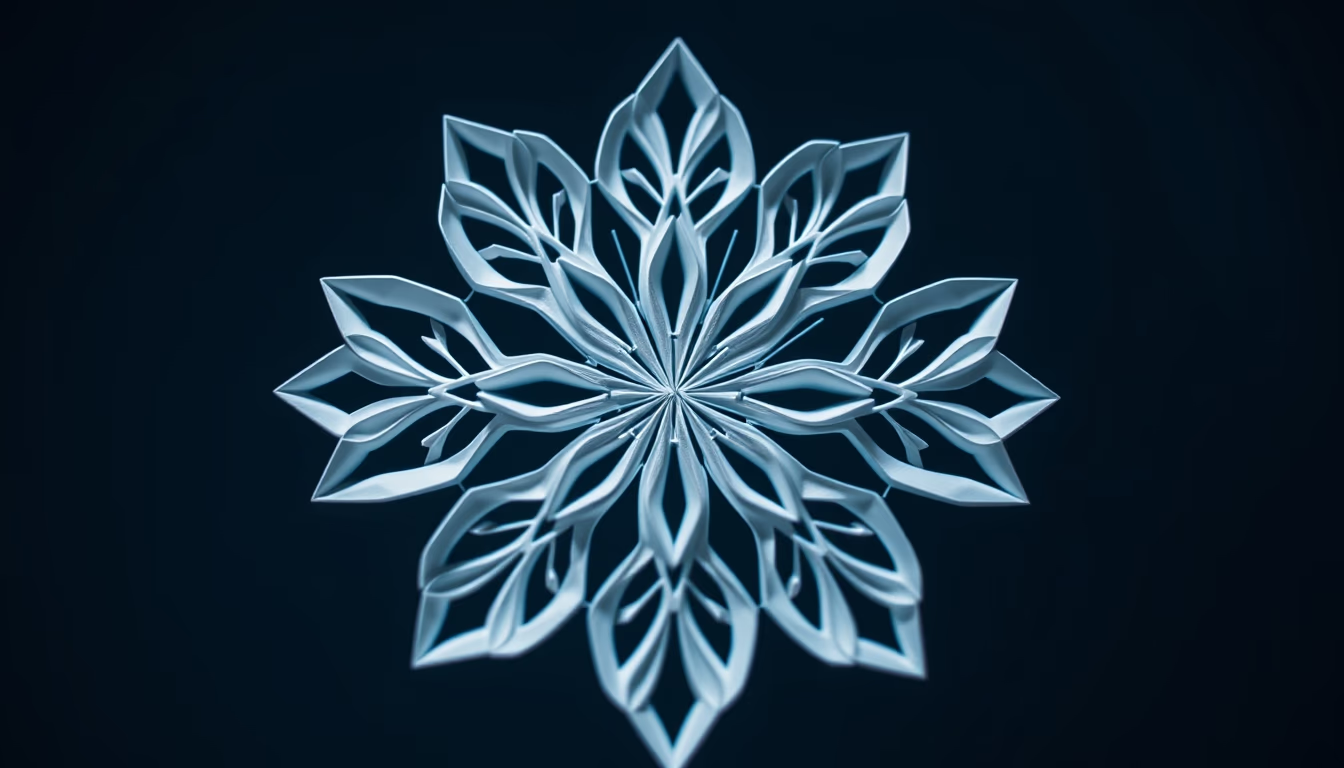
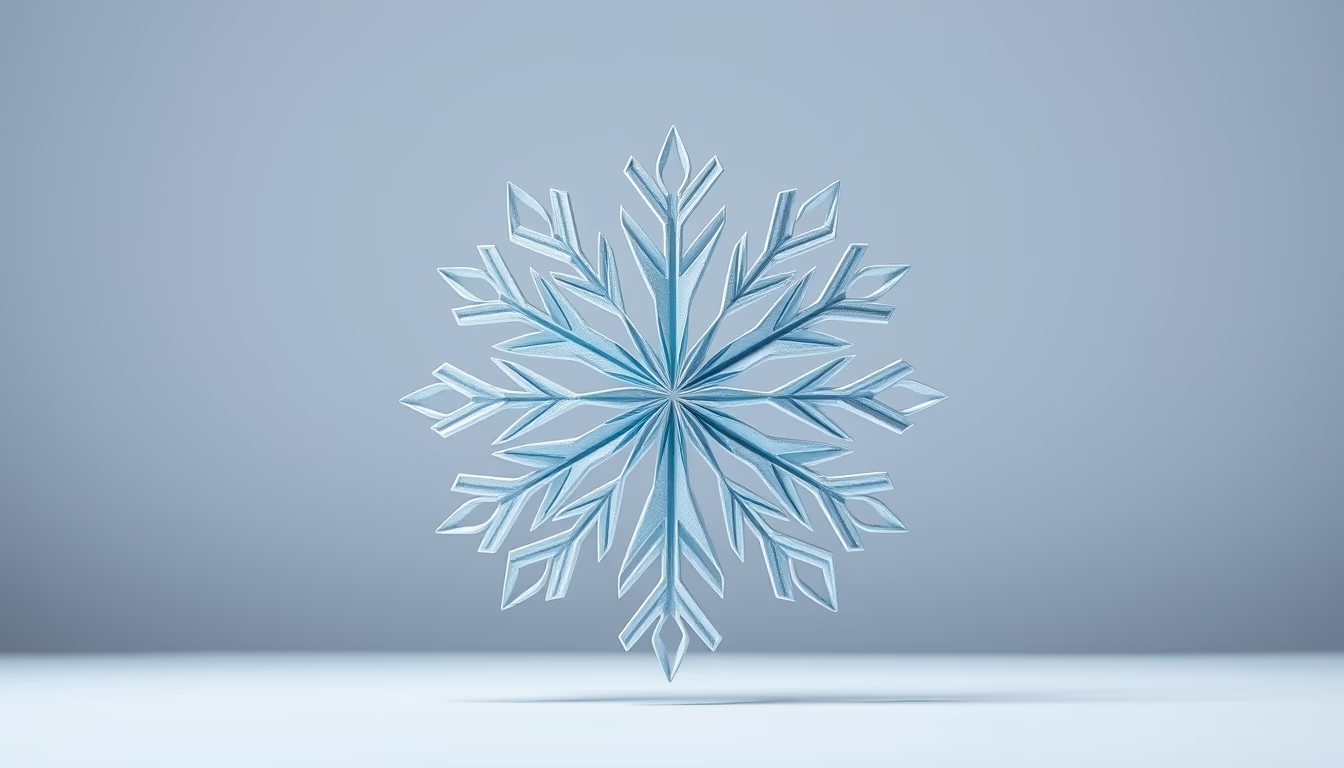
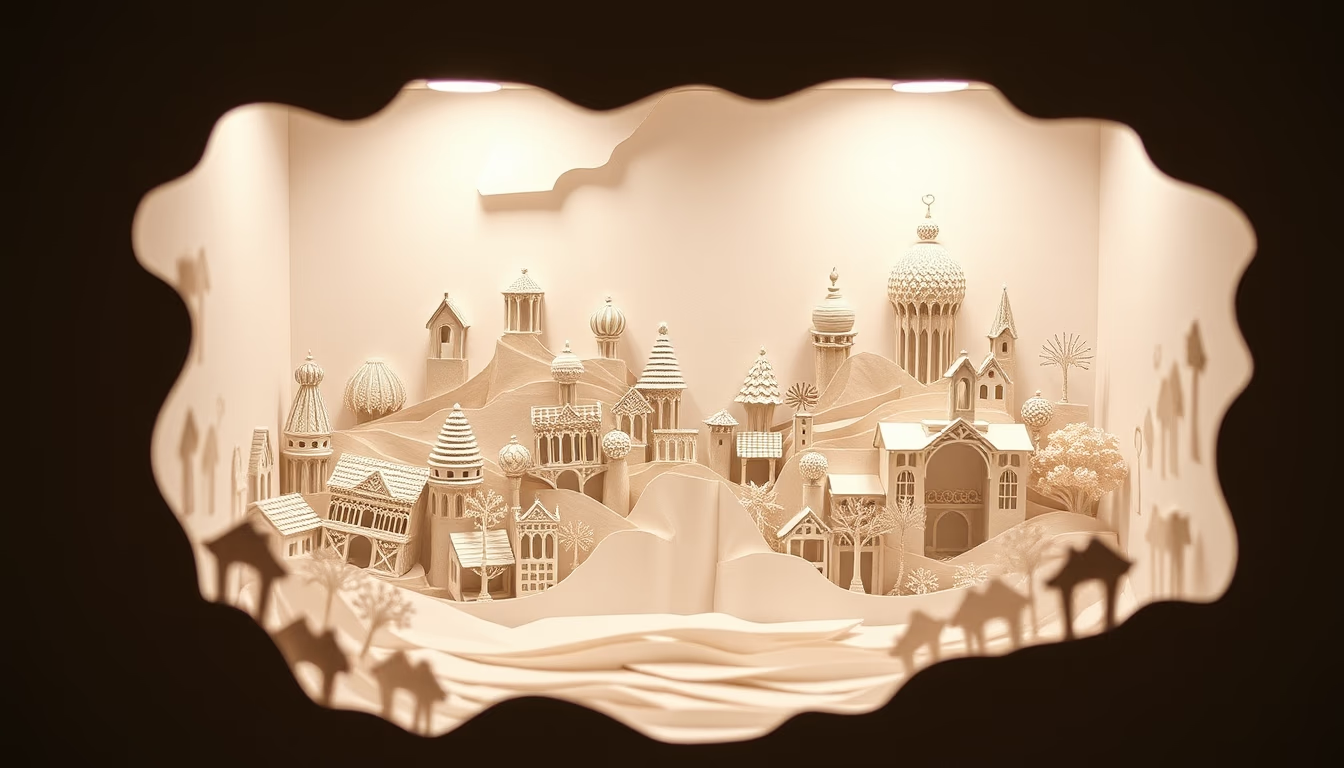
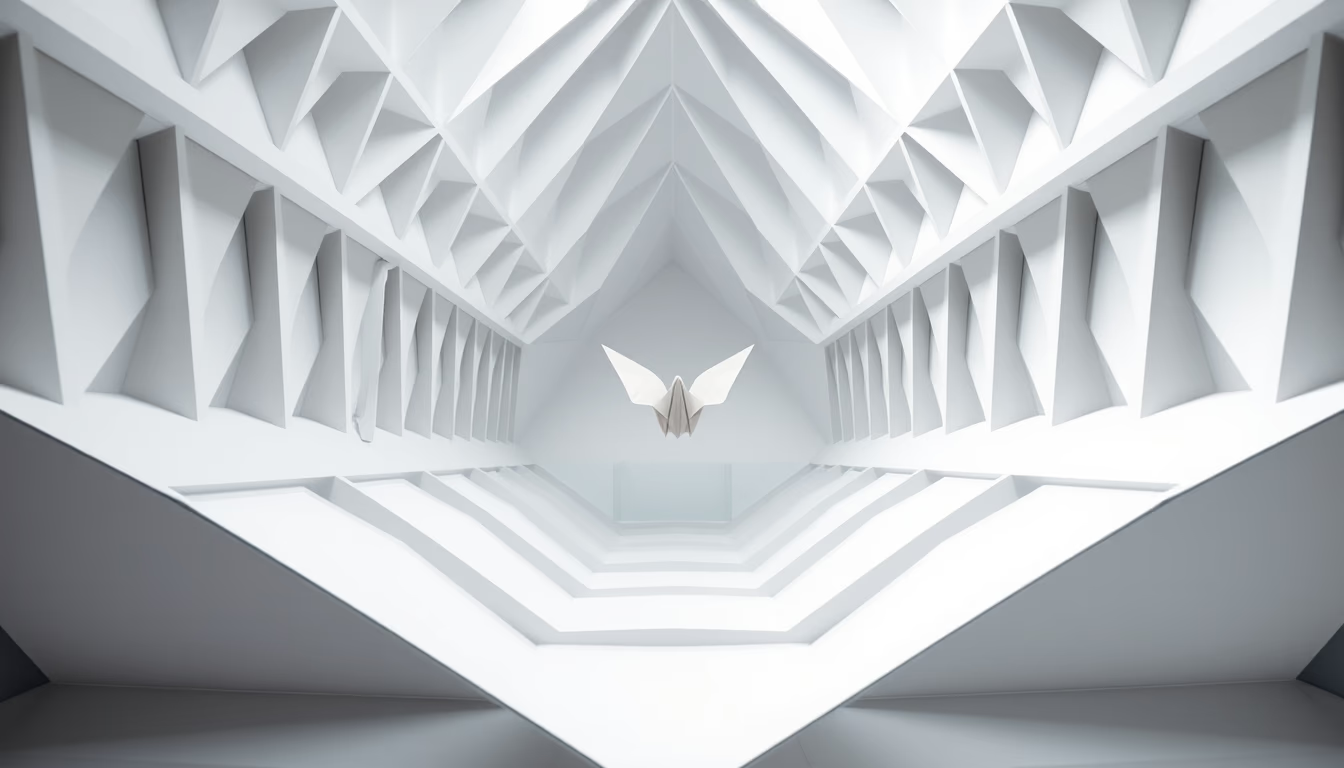
A kirigami snowflake combines the precision of paper cutting with the symmetry of ice crystals, a traditional Japanese technique.
About this subject
Kirigami, from the Japanese words "kiru" (to cut) and "kami" (paper), is a variation of origami that allows intricate cuts. Unlike origami, which only folds, kirigami uses scissors or knives to create cutout patterns. The technique gained popularity in Japan during the Heian period (794, 1185), but earlier examples of paper cutting exist in China, such as jianzhi.
Real snowflakes have hexagonal symmetry due to the molecular structure of water, forming crystals with 60 and 120 degree angles. A typical kirigami snowflake reflects this geometry: the paper is folded into six equal parts before cutting, ensuring the pattern repeats perfectly when unfolded. This technique is often used for winter decorations, Christmas ornaments, and educational activities to teach symmetry and mathematical patterns.
In Brazil, although natural snow is absent in most of the country, kirigami snowflakes are adopted in schools and craft workshops to explore Japanese culture and geometry. Japanese artist Nahoko Kojima is known for her monumental kirigami sculptures, including giant snowflakes exhibited internationally. Kirigami has also inspired modern applications in engineering, such as sensors and medical devices that use folding and cutting patterns.
The "fish-eye wide-angle" perspective in the image distorts the view, widening the field and making the snowflake appear even more three-dimensional. This photographic approach highlights the cut details and shadows, emphasizing the paper's texture and the precision of the folds.
Frequently Asked Questions
What is the difference between kirigami and origami?
In kirigami, paper can be cut in addition to folding. In origami, only folds are allowed, no cuts.
Why do kirigami snowflakes have six sides?
Natural snowflakes have hexagonal symmetry, so kirigami mimics this by folding the paper into six parts before cutting.
Is kirigami only used for decorative purposes?
No. Beyond decorations, kirigami is applied in engineering, such as medical devices and sensors that use cutting and folding patterns.
Direct URL
https://pub-c7d6a6ea828543ac903a74a341ccb2e1.r2.dev/imagens/kirigami-snowflake-fish-eye-wide-angle-fresh1.avifHow to credit
Include a visible link back to UtilizAí. Copy one of the snippets below:
<a href="https://xn--utiliza-eza.com/en/midia/imagens/kirigami-snowflake-fish-eye-wide-angle-fresh1">Kirigami snowflake</a> by <a href="https://xn--utiliza-eza.com">UtilizAí</a>, licensed under <a href="https://creativecommons.org/licenses/by/4.0/">CC BY 4.0</a>.
[Kirigami snowflake](https://xn--utiliza-eza.com/en/midia/imagens/kirigami-snowflake-fish-eye-wide-angle-fresh1) by [UtilizAí](https://xn--utiliza-eza.com), CC BY 4.0
License: CC-BY-4.0