Kimchi fermented korean
1344×768 · AVIF · CC BY 4.0
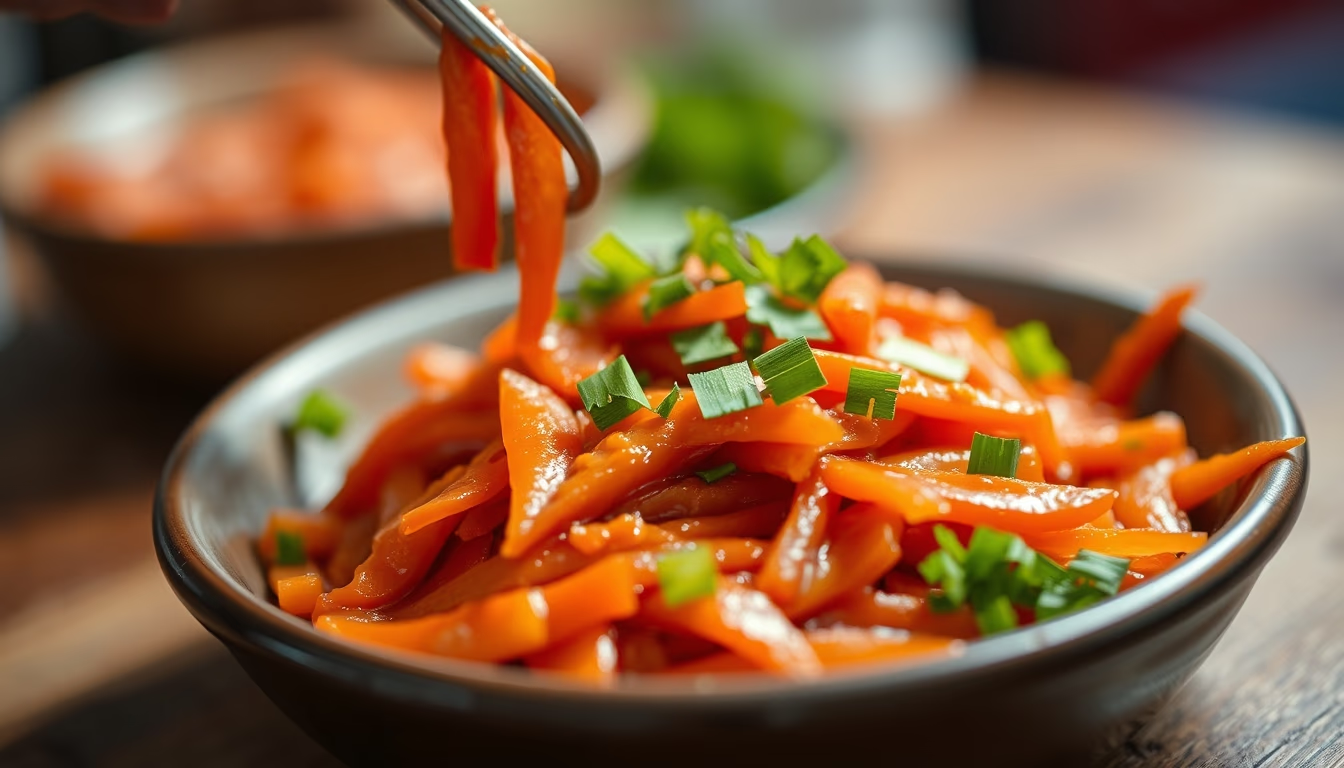
Kimchi is a Korean fermented dish, typically made from napa cabbage, chili, and garlic, with centuries of tradition and UNESCO recognition as intangible cultural heritage.
About this subject
Kimchi is a cornerstone of Korean cuisine, consisting of fermented vegetables seasoned with Korean chili powder (gochugaru), garlic, ginger, scallions, and salted seafood. The most common version uses napa cabbage (baechu), but there are hundreds of varieties, including radish kimchi (kkakdugi) and cucumber kimchi (oi sobagi). Historically, kimchi emerged as a preservation method during Korea's harsh winters, a practice dating back to the Three Kingdoms period (1st century BC to 7th century AD). Natural lactic acid fermentation not only preserves the vegetables but also enriches the food with probiotics beneficial to gut health.
Kimchi's cultural significance extends beyond sustenance. In 2013, UNESCO inscribed the tradition of making kimchi, known as kimjang, on the Representative List of the Intangible Cultural Heritage of Humanity. Kimjang is a seasonal community event where families and neighbors gather to prepare large quantities of kimchi for winter storage. Globally, kimchi has gained popularity as a superfood, associated with benefits like boosting the immune system, reducing cholesterol, and providing antioxidants. Scientific studies, such as those published in the Journal of Medicinal Food, confirm that kimchi's lactic acid bacteria (Lactobacillus kimchii) contribute to digestive health.
In contemporary contexts, kimchi has crossed borders and appears in culinary fusions like kimchi jjigae (stew), kimchi bokkeumbap (fried rice), and even on pizzas and burgers. South Korea exports thousands of tons of kimchi annually, with destinations including Japan, the United States, and Brazil, where Korean communities and Asian cuisine enthusiasts consume it. Homemade fermentation remains popular, with recipes passed down through generations, adapting to regional tastes. Despite variations, the characteristic balance of spicy, sour, and umami flavors remains unmistakable.
Frequently Asked Questions
Is kimchi vegan?
Traditionally no, because it contains fish sauce (jeotgal) or salted shrimp. However, vegan versions replace these with soy sauce or miso, and are common among plant-based dieters.
How long can kimchi stay out of the fridge?
At room temperature, kimchi continues fermenting and can spoil quickly, especially in warm climates. It is best stored refrigerated at 4°C, where it can last for months without spoiling.
What are the health benefits of kimchi?
Kimchi is rich in probiotics (Lactobacillus), vitamins A, B, and C, and fiber. Studies suggest it can improve digestion, boost immunity, reduce inflammation, and even have anticancer effects, but consumption should be moderate due to high sodium content.
Direct URL
https://pub-c7d6a6ea828543ac903a74a341ccb2e1.r2.dev/imagens/kimchi-fermented-korean-tilt-shift-miniature-fresh11.avifHow to credit
Include a visible link back to UtilizAí. Copy one of the snippets below:
<a href="https://xn--utiliza-eza.com/en/midia/imagens/kimchi-fermented-korean-tilt-shift-miniature-fresh11">Kimchi fermented korean</a> by <a href="https://xn--utiliza-eza.com">UtilizAí</a>, licensed under <a href="https://creativecommons.org/licenses/by/4.0/">CC BY 4.0</a>.
[Kimchi fermented korean](https://xn--utiliza-eza.com/en/midia/imagens/kimchi-fermented-korean-tilt-shift-miniature-fresh11) by [UtilizAí](https://xn--utiliza-eza.com), CC BY 4.0
License: CC-BY-4.0