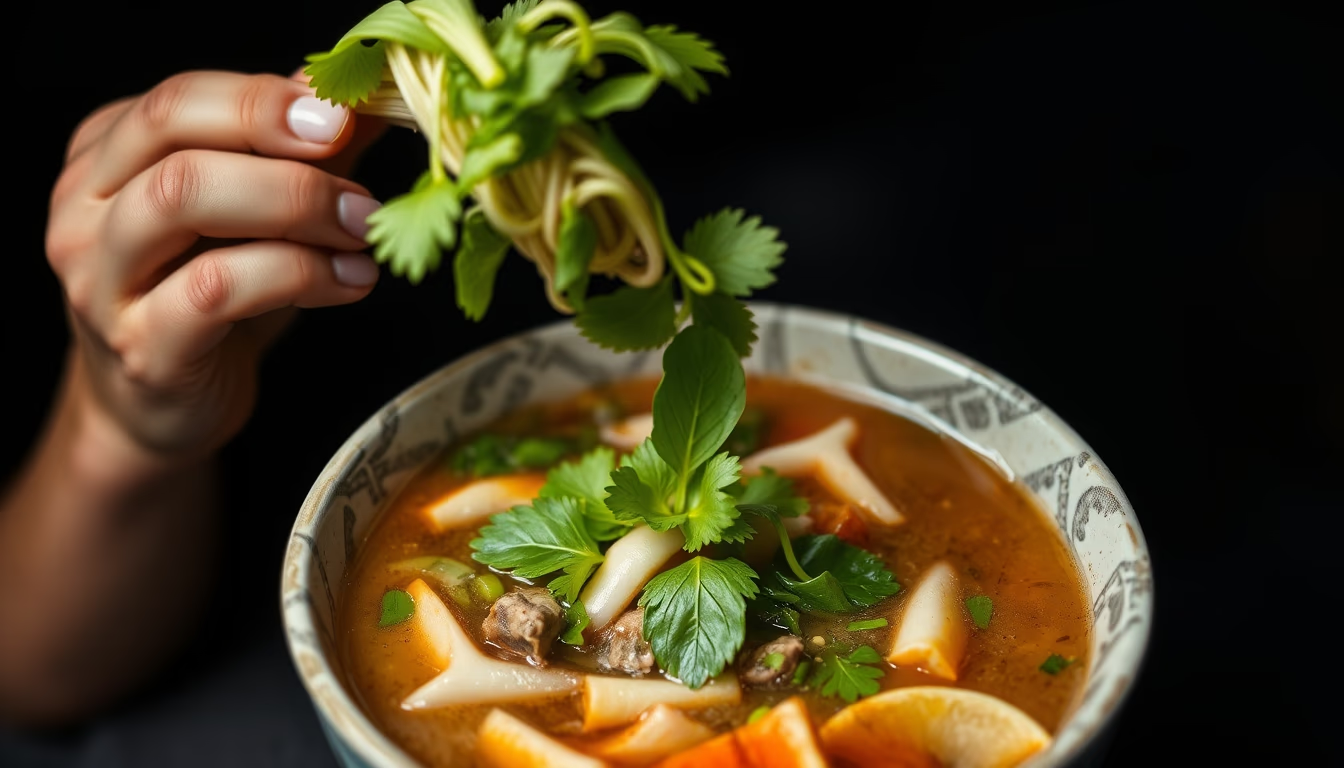
Kimchi fermented korean
1344×768 · AVIF · CC BY 4.0
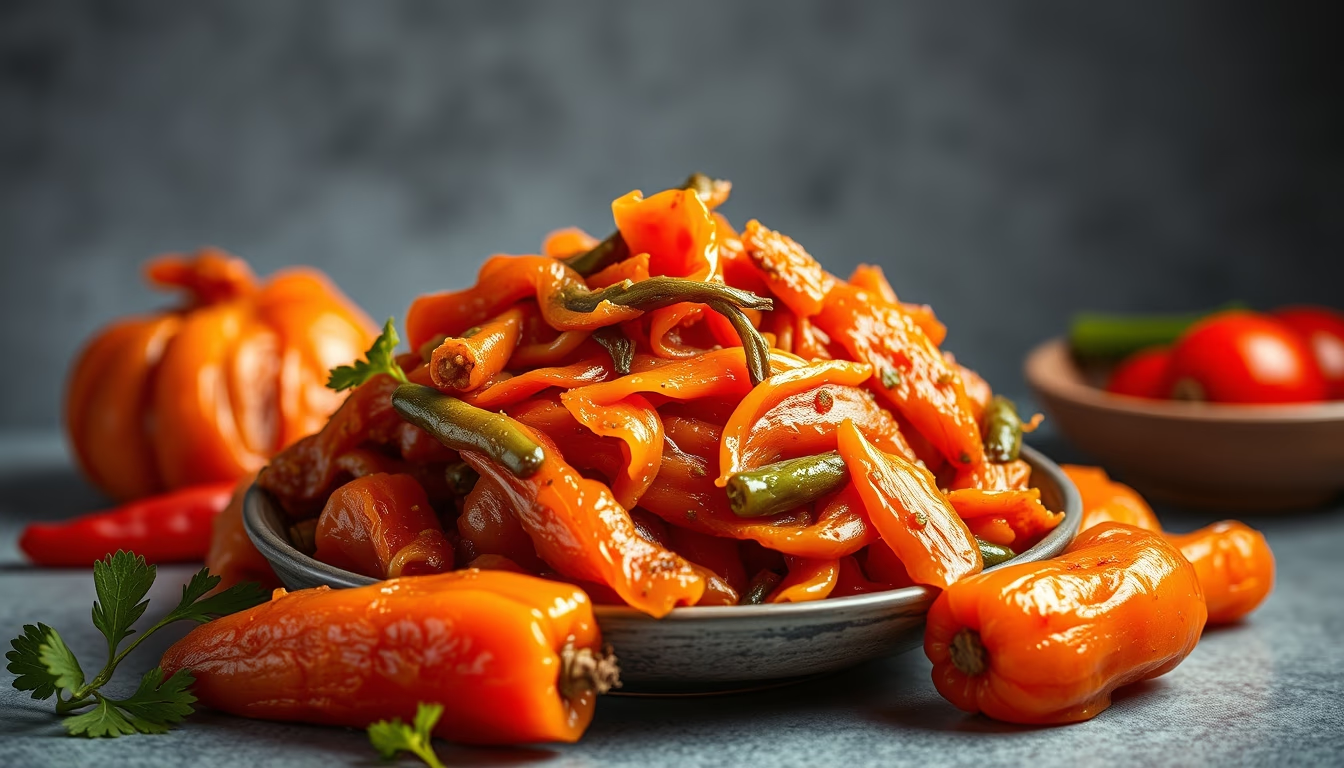
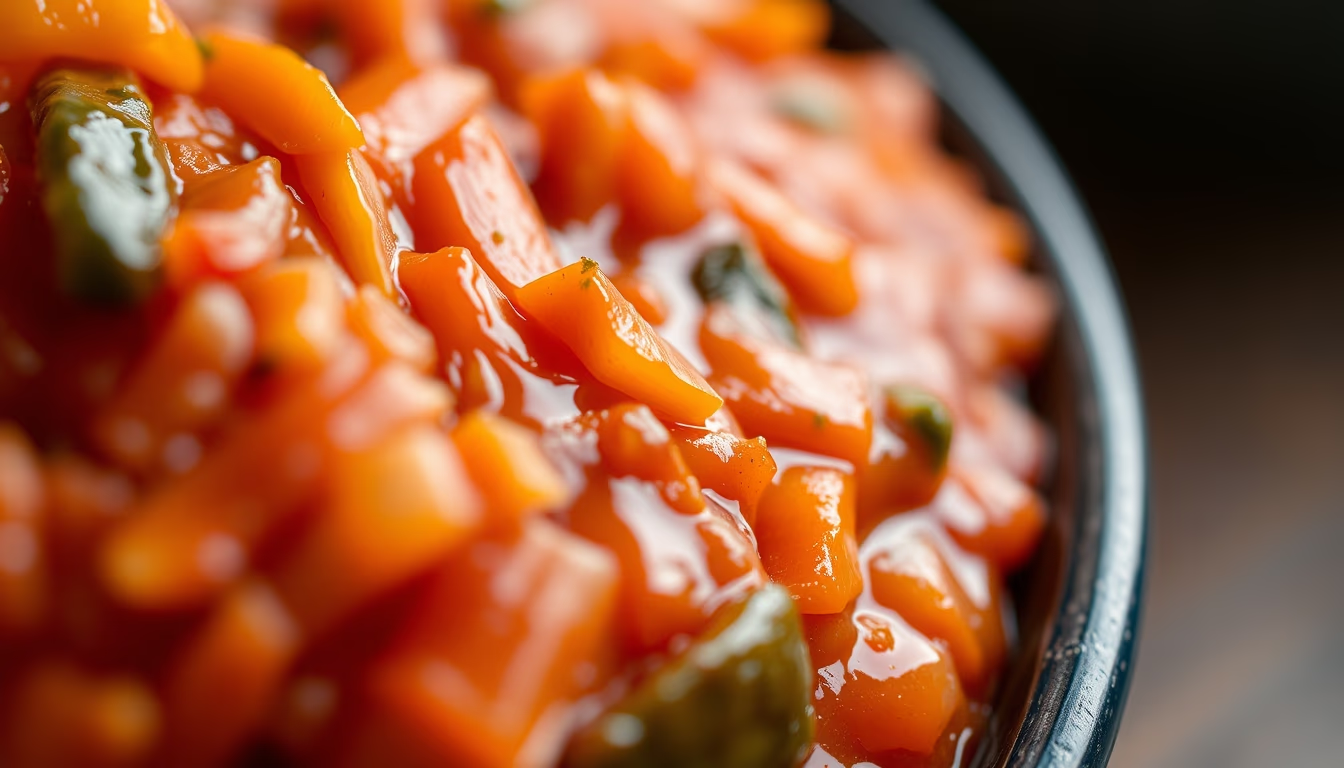
Kimchi, a Korean fermented dish made with napa cabbage and chili, is a UNESCO intangible cultural heritage and cornerstone of Asian cuisine.
About this subject
Kimchi is a traditional Korean dish primarily made from fermented napa cabbage (baechu) seasoned with red chili powder (gochugaru), garlic, ginger, and other spices. Over 200 registered varieties exist, including versions with radish (kkakdugi), cucumber (oisobagi), and scallions (pa kimchi).
The origins of kimchi date back to the Three Kingdoms period of Korea (37 BC, 668 AD), when Koreans began fermenting vegetables to preserve them through winter. Red chili was introduced by Portuguese traders in the 16th century, revolutionizing the recipe.
In 2013, UNESCO inscribed kimjang, the process of preparing kimchi for winter, on the Representative List of the Intangible Cultural Heritage of Humanity. Kimchi is rich in vitamins A, B, and C, as well as lactobacilli beneficial for gut health. Studies link regular consumption to reduced cholesterol and improved immune function.
In South Korea, kimchi is served at almost every meal, including breakfast. The country has a dedicated Kimchi Museum in Seoul and celebrates Kimchi Day on November 22. The most common variety, baechu kimchi, typically ferments for about two weeks, but quicker versions can be ready in 24 hours.
Frequently Asked Questions
What is kimchi?
Kimchi is a Korean fermented dish, typically made from napa cabbage seasoned with chili, garlic, and ginger. There are hundreds of varieties, and it is one of the most important foods in Korean cuisine.
What are the health benefits of kimchi?
Kimchi is rich in vitamins A, B, and C, as well as natural probiotics that aid digestion. Studies suggest that regular consumption can help lower cholesterol, boost the immune system, and even prevent certain types of cancer.
How is kimchi traditionally prepared?
Traditional preparation involves salting the cabbage to remove water, then rinsing and applying a paste of chili, garlic, ginger, and other ingredients. The mixture is then fermented at room temperature for days or weeks, depending on the recipe.
Direct URL
https://pub-c7d6a6ea828543ac903a74a341ccb2e1.r2.dev/imagens/kimchi-fermented-korean-studio-still-life-fresh7.avifHow to credit
Include a visible link back to UtilizAí. Copy one of the snippets below:
<a href="https://xn--utiliza-eza.com/en/midia/imagens/kimchi-fermented-korean-studio-still-life-fresh7">Kimchi fermented korean</a> by <a href="https://xn--utiliza-eza.com">UtilizAí</a>, licensed under <a href="https://creativecommons.org/licenses/by/4.0/">CC BY 4.0</a>.
[Kimchi fermented korean](https://xn--utiliza-eza.com/en/midia/imagens/kimchi-fermented-korean-studio-still-life-fresh7) by [UtilizAí](https://xn--utiliza-eza.com), CC BY 4.0
License: CC-BY-4.0