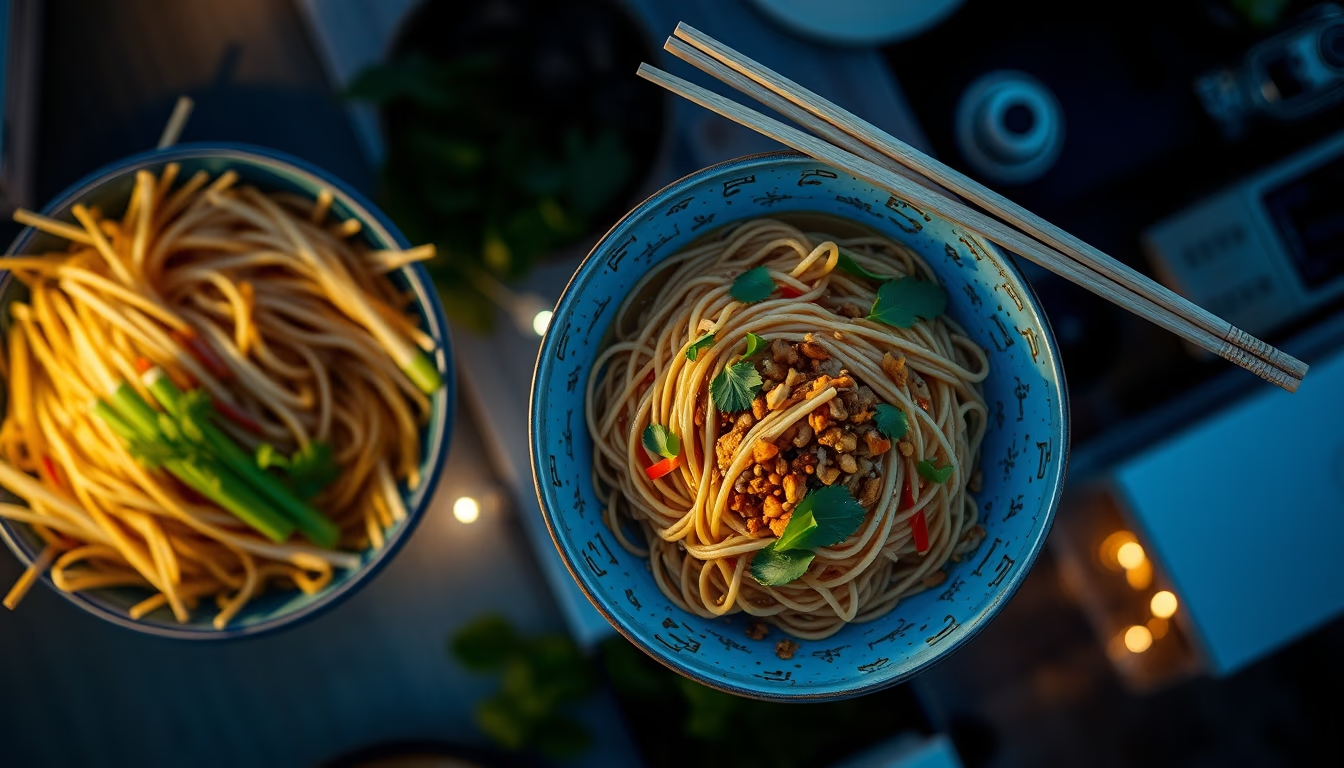
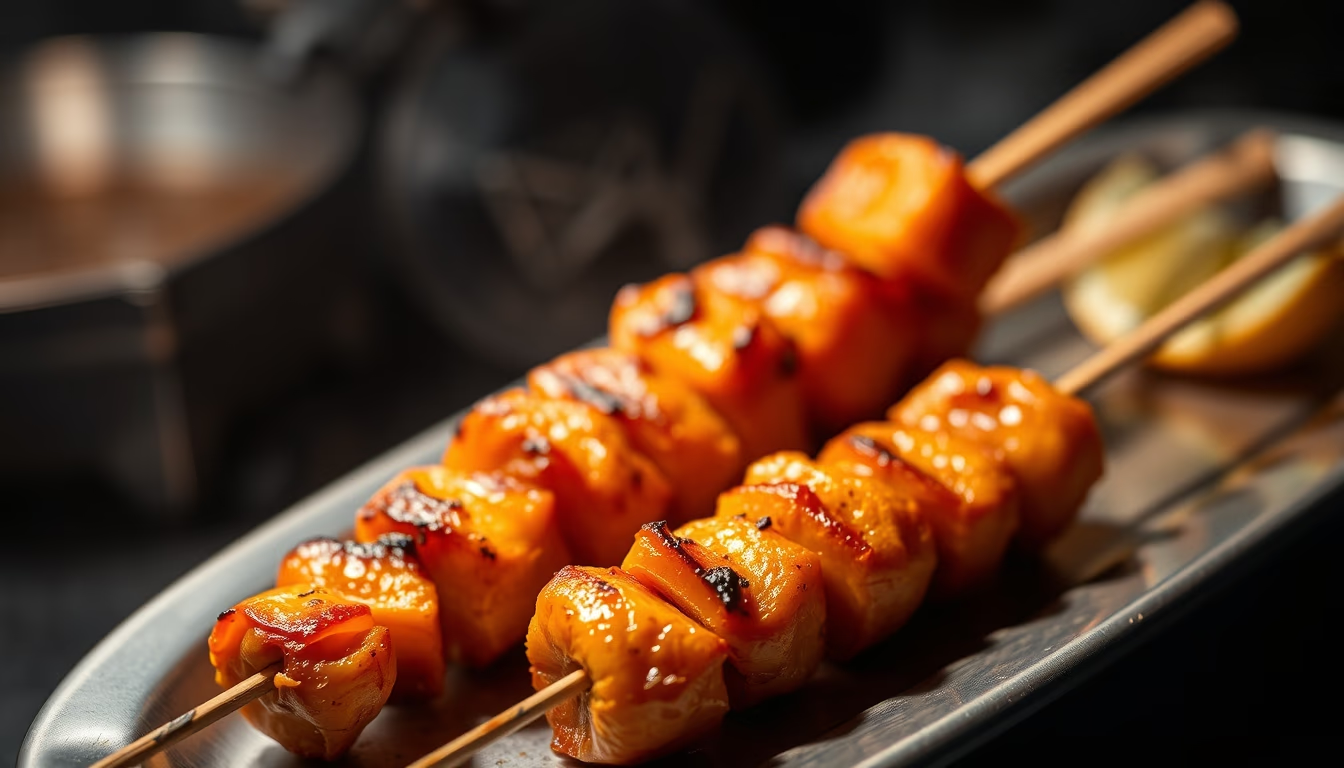
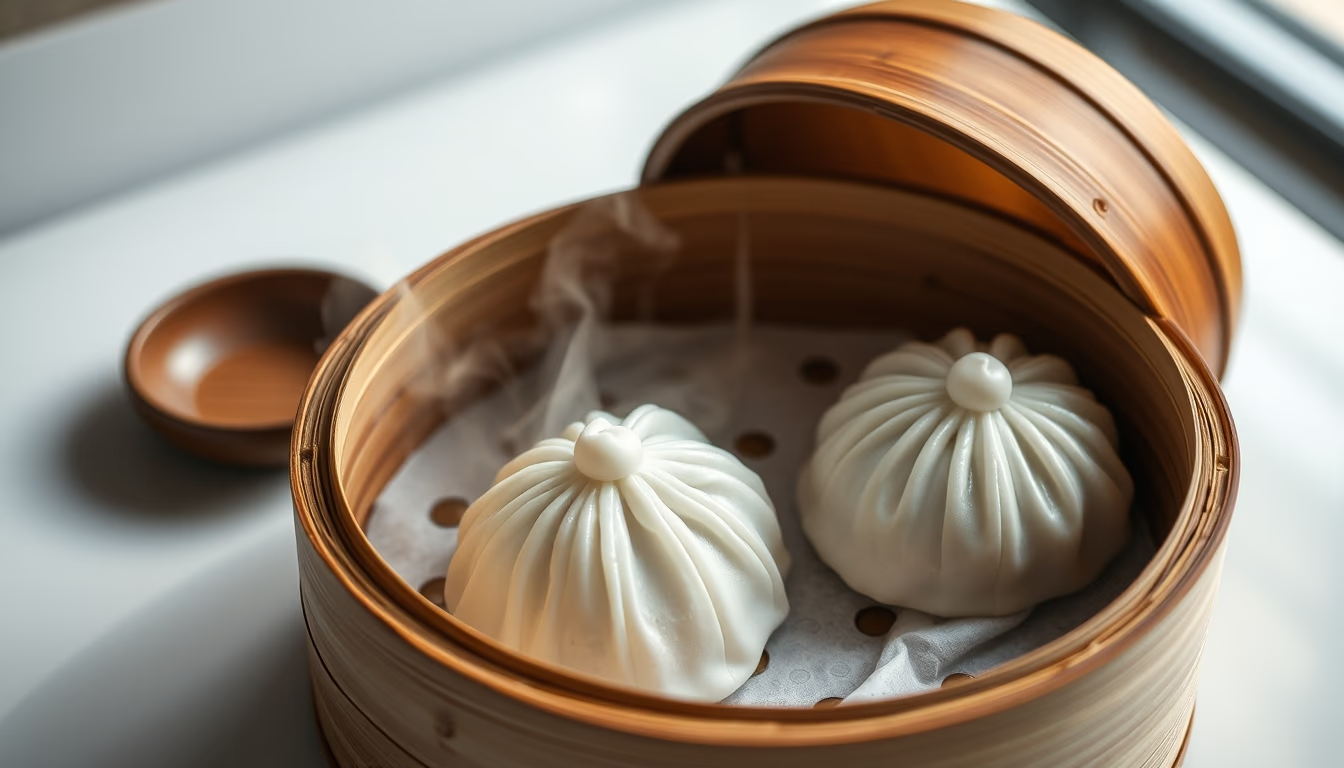
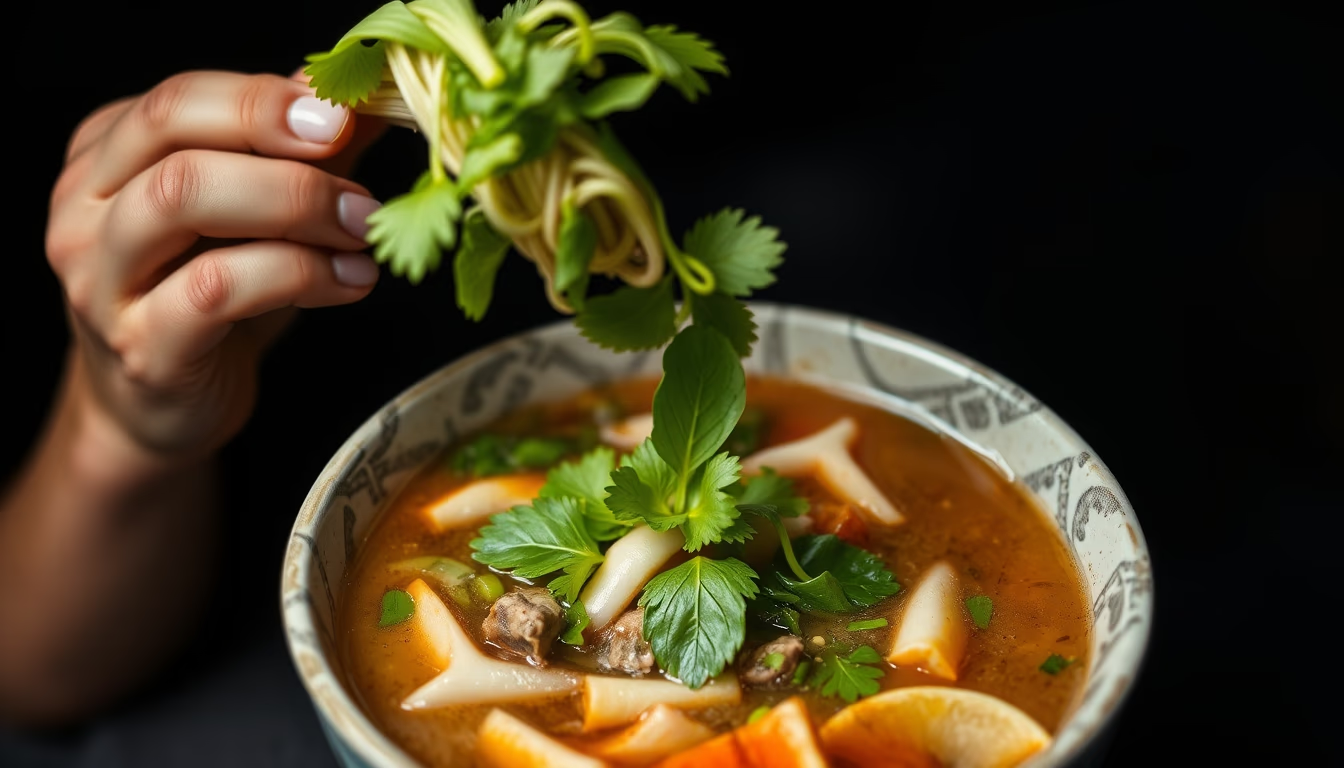
Kimchi fermented korean
1344×768 · AVIF · CC BY 4.0

O kimchi é um prato coreano fermentado tradicional à base de acelga e temperos picantes, reconhecido como patrimônio cultural imaterial pela UNESCO.
Sobre o tema
O kimchi é um dos pilares da culinária coreana, presente em praticamente todas as refeições do país. Tradicionalmente preparado com acelga, rabanete, pimenta em pó (gochugaru), alho, gengibre e molho de peixe, o prato passa por um processo de fermentação láctica que lhe confere sabor ácido e picante característico. Existem centenas de variações regionais e sazonais, como o kimchi de pepino (oi-sobagi) e o de cebolinha (pa-kimchi).
A produção doméstica de kimchi, chamada kimjang, foi inscrita pela UNESCO em 2013 como Patrimônio Cultural Imaterial da Humanidade. Durante o kimjang, famílias coreanas se reúnem para preparar grandes quantidades do prato, que será consumido durante o inverno. O processo envolve salgar as folhas, lavá-las, aplicar o tempero e armazená-las em potes de barro (onggi) ou refrigeradores especiais.
Além de seu valor cultural, o kimchi é conhecido por seus benefícios à saúde. Rico em probióticos, vitaminas A, B e C, e antioxidantes, o consumo regular está associado à melhora da digestão, fortalecimento do sistema imunológico e redução da inflamação. Estudos também sugerem que as bactérias lácticas presentes no kimchi podem ajudar a reduzir os níveis de colesterol.
O kimchi conquistou o paladar global nas últimas décadas, sendo incorporado em pratos como tacos, hambúrgueres e até pizzas. A popularidade da onda coreana (Hallyu) impulsionou sua difusão, tornando-o um símbolo da gastronomia asiática no mundo. A fermentação caseira continua sendo uma prática comum, com receitas transmitidas por gerações.
Perguntas frequentes
O kimchi é sempre picante?
Nem todo kimchi é picante. Embora a versão mais conhecida use pimenta em pó (gochugaru), existem variedades brancas (baek-kimchi) que não levam pimenta, sendo suaves e levemente fermentadas.
Quanto tempo leva para fermentar o kimchi?
O tempo de fermentação varia conforme a temperatura e o gosto pessoal. Em temperatura ambiente, o kimchi pode fermentar em 1 a 2 dias; na geladeira, o processo leva de 1 a 2 semanas, e o sabor continua a evoluir por meses.
O kimchi pode ser feito em casa?
Sim, é bastante comum preparar kimchi caseiro. A receita básica envolve salgar a acelga, preparar uma pasta com gochugaru, alho, gengibre e molho de peixe, e armazenar o produto em um recipiente vedado para fermentação.
URL direta
https://pub-c7d6a6ea828543ac903a74a341ccb2e1.r2.dev/imagens/kimchi-fermented-korean-studio-editorial-portrait-fresh15.avifComo creditar
Inclua um link visível de volta pro UtilizAí. Copie um dos snippets abaixo:
<a href="https://xn--utiliza-eza.com/midia/imagens/kimchi-fermented-korean-studio-editorial-portrait-fresh15">Kimchi fermented korean</a> by <a href="https://xn--utiliza-eza.com">UtilizAí</a>, licensed under <a href="https://creativecommons.org/licenses/by/4.0/">CC BY 4.0</a>.
[Kimchi fermented korean](https://xn--utiliza-eza.com/midia/imagens/kimchi-fermented-korean-studio-editorial-portrait-fresh15) by [UtilizAí](https://xn--utiliza-eza.com), CC BY 4.0
Licença: CC-BY-4.0