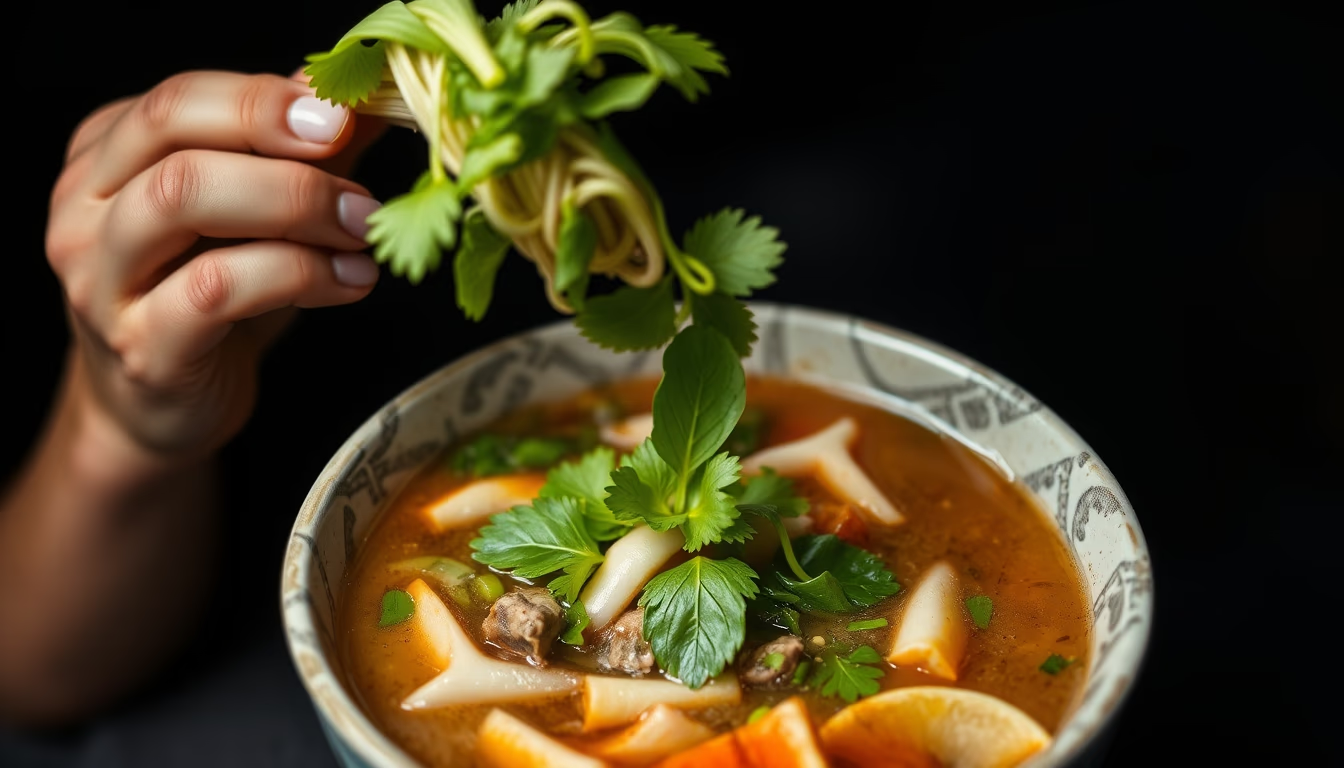
Kimchi fermented korean
1344×768 · AVIF · CC BY 4.0
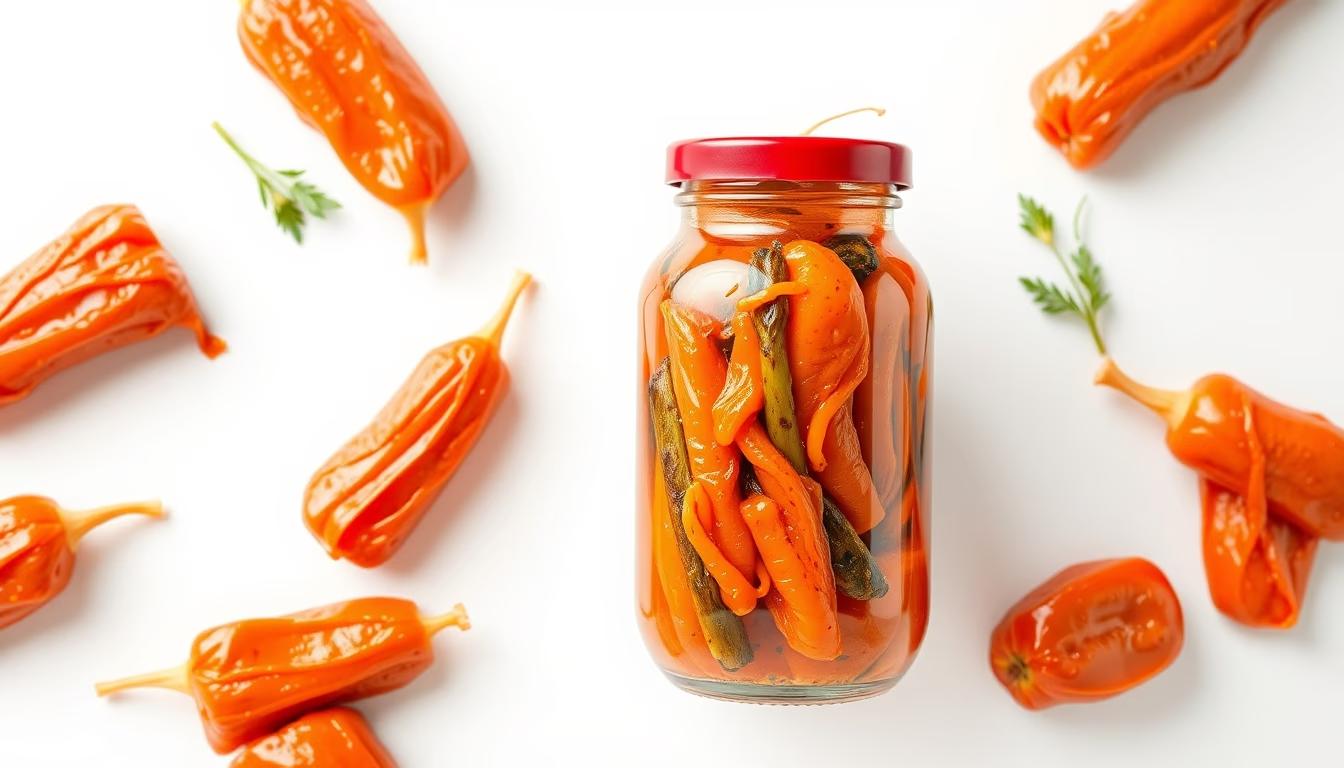
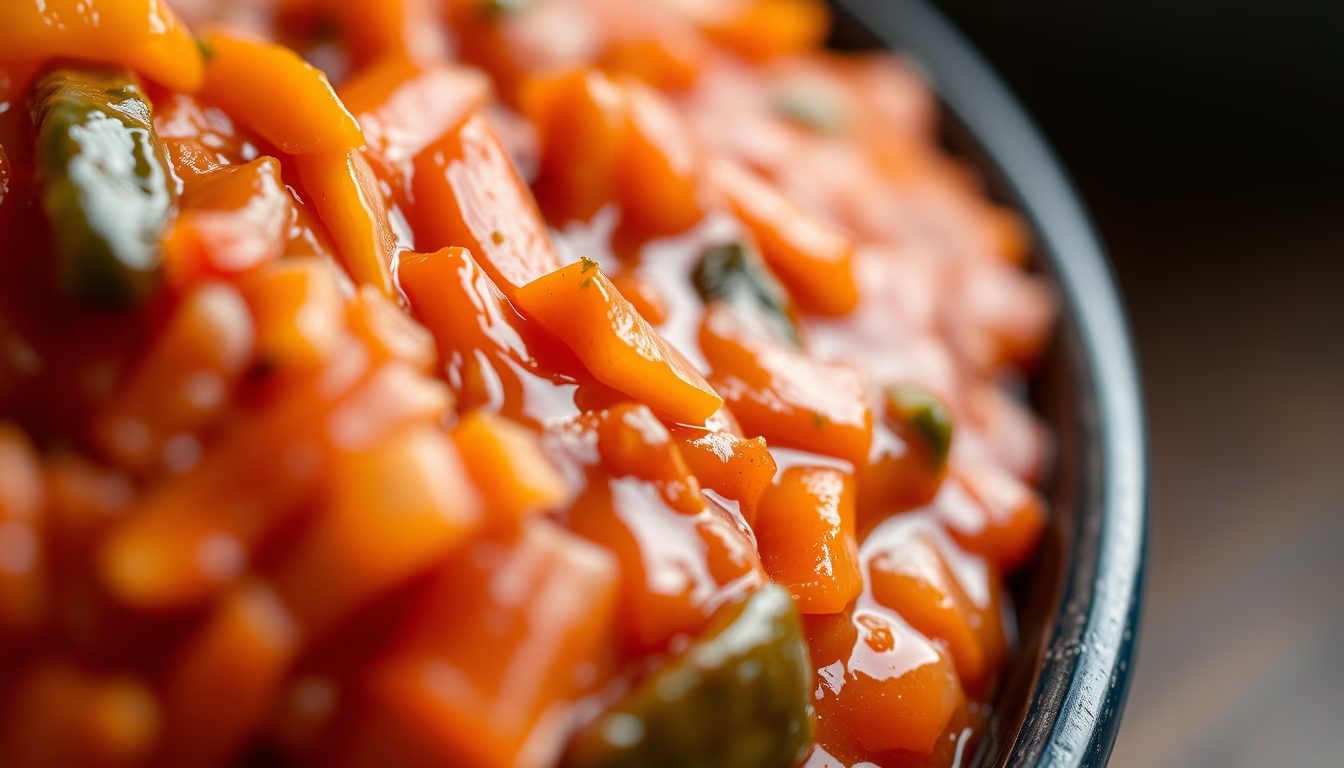
Kimchi is a Korean fermented dish, typically made with napa cabbage, chili, and seasonings, served as a side dish in almost every meal.
About this subject
Kimchi is one of the most iconic foods in Korean cuisine, with a history spanning over three thousand years. Originally, fermentation was a method to preserve vegetables during harsh Korean winters. The modern version, featuring red chili pepper flakes (gochugaru) and fermented fish paste (jeotgal), emerged around the 18th century after chili peppers were introduced from the Americas.
Traditional kimchi preparation involves salting napa cabbage (baechu) to draw out water, then rinsing and mixing it with a seasoning paste containing garlic, ginger, scallions, radish, and fermented seafood. The mixture is stored in clay pots (onggi) or airtight containers and fermented at cool temperatures for days to weeks. Lactic acid fermentation produces natural probiotics that aid digestive health.
There are hundreds of kimchi varieties, using different vegetables like cucumber, radish (kkakdugi), or green onions (pa kimchi). Each region in Korea has its own recipes and techniques. Kimchi's cultural significance is so profound that the collective kimchi-making process, called kimjang, was inscribed as a UNESCO Intangible Cultural Heritage of Humanity in 2013.
Beyond its unique spicy and sour flavor, kimchi is rich in vitamins A and C, minerals, and antioxidants. Studies suggest regular consumption may aid weight loss, lower cholesterol, and boost the immune system. Due to its versatility, kimchi is also used in dishes such as kimchi jjigae (stew) and kimchi bokkeumbap (fried rice).
Frequently Asked Questions
What exactly is kimchi?
Kimchi is a Korean fermented dish, typically made from napa cabbage seasoned with chili pepper, garlic, ginger, and fermented seafood. It is a staple side dish in Korea.
How long does kimchi last in the refrigerator?
Kimchi can last several months in the fridge. The longer it ferments, the sourer and softer it becomes. Once opened, it is best consumed within 6 months for optimal flavor.
Is kimchi healthy?
Yes, kimchi is rich in probiotics, vitamins A and C, and antioxidants. The fermentation process produces beneficial bacteria that aid digestion and boost the immune system.
Direct URL
https://pub-c7d6a6ea828543ac903a74a341ccb2e1.r2.dev/imagens/kimchi-fermented-korean-commercial-product-photography-fresh1.avifHow to credit
Include a visible link back to UtilizAí. Copy one of the snippets below:
<a href="https://xn--utiliza-eza.com/en/midia/imagens/kimchi-fermented-korean-commercial-product-photography-fresh1">Kimchi fermented korean</a> by <a href="https://xn--utiliza-eza.com">UtilizAí</a>, licensed under <a href="https://creativecommons.org/licenses/by/4.0/">CC BY 4.0</a>.
[Kimchi fermented korean](https://xn--utiliza-eza.com/en/midia/imagens/kimchi-fermented-korean-commercial-product-photography-fresh1) by [UtilizAí](https://xn--utiliza-eza.com), CC BY 4.0
License: CC-BY-4.0