Kimchi fermented korean
1344×768 · AVIF · CC BY 4.0
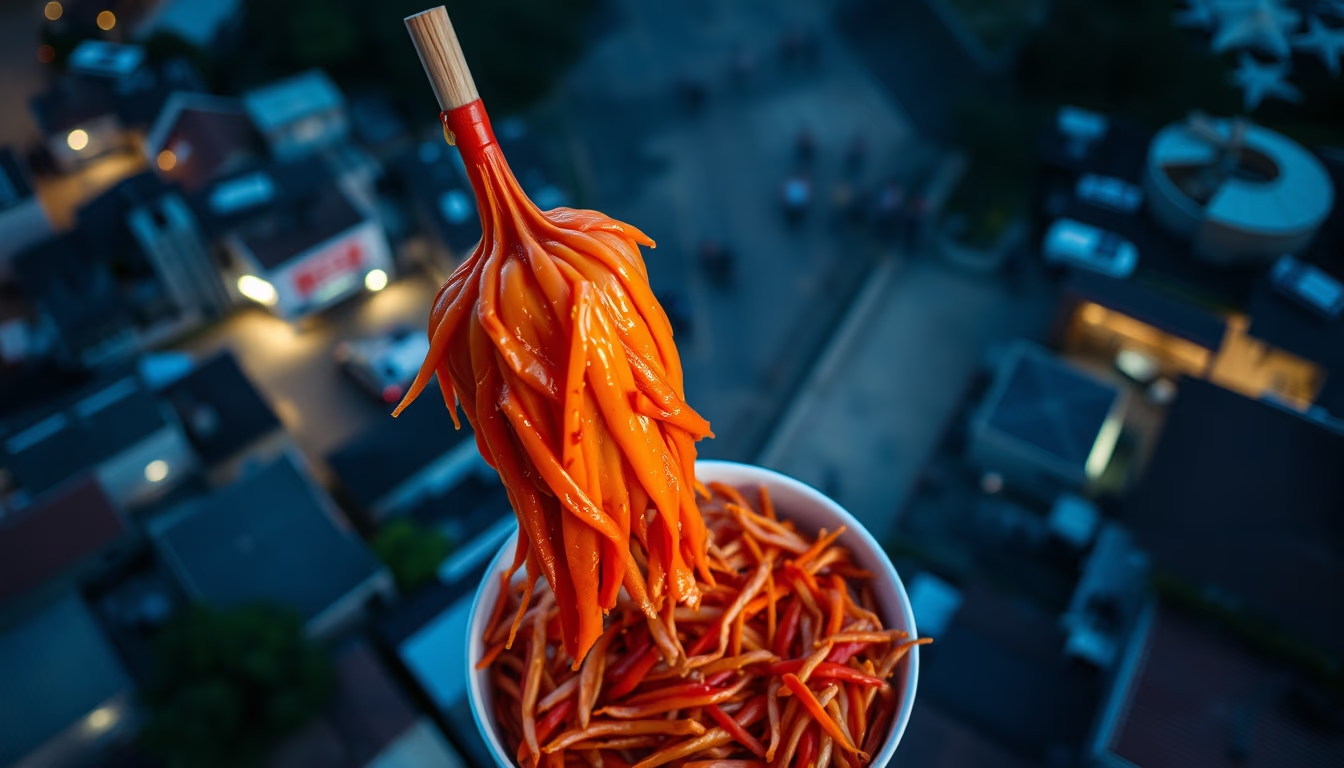
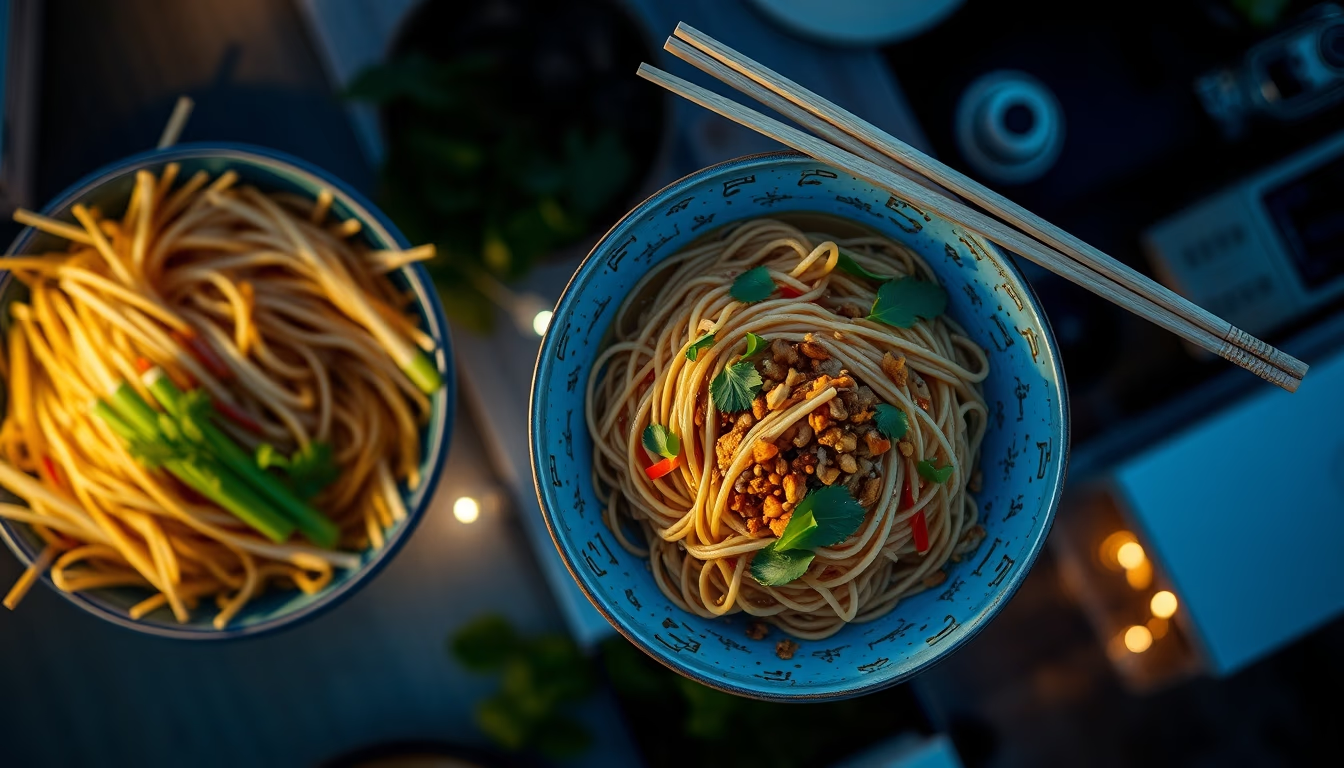
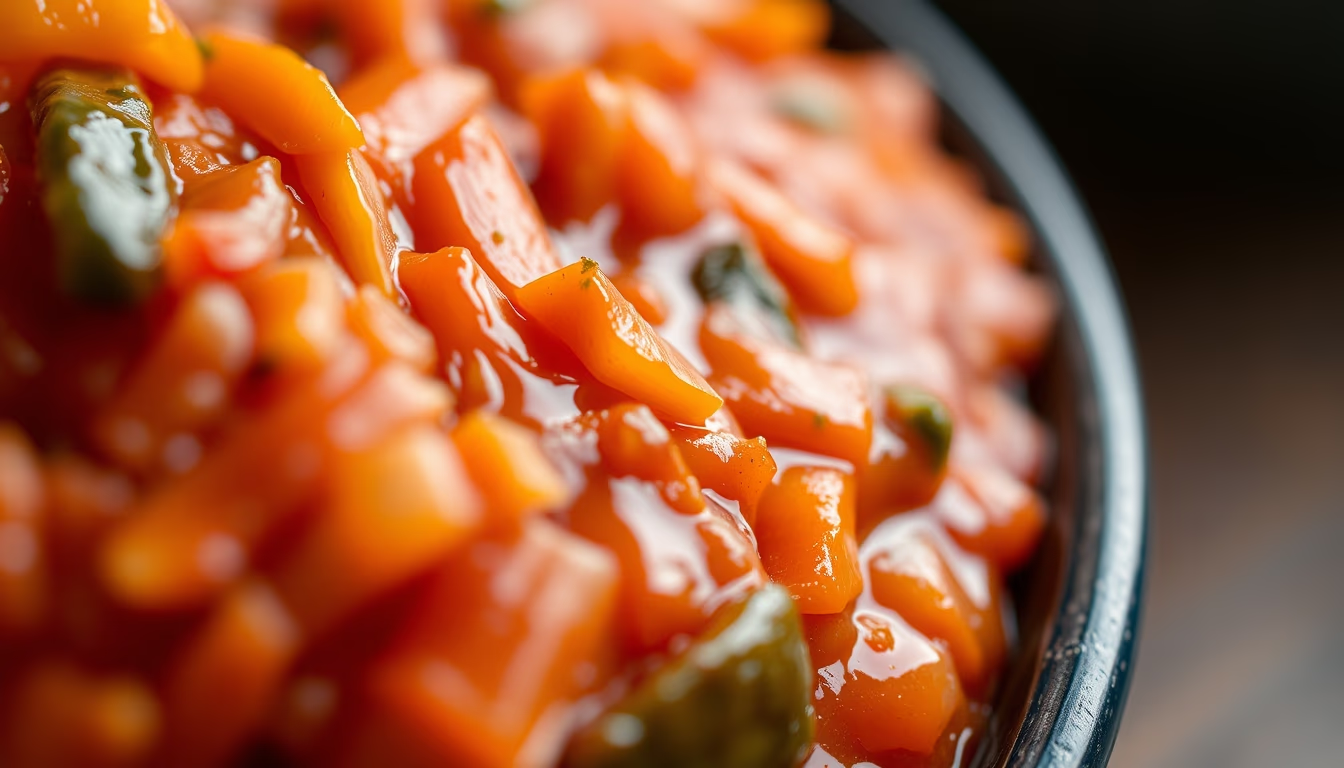
Kimchi is a Korean fermented vegetable dish, primarily made with napa cabbage and radish, seasoned with chili, garlic, and ginger, central to Korean cuisine and culture.
About this subject
Kimchi is a traditional Korean fermented vegetable dish, most commonly made with napa cabbage (baechu) and Korean radish (mu). The vegetables are brined, rinsed, and then seasoned with a paste of gochugaru (Korean chili flakes), garlic, ginger, scallions, and other aromatics. Fermentation occurs at low temperatures over days or weeks, developing complex, tangy flavors and a characteristic crunch.
Hundreds of kimchi varieties exist, varying by region, season, and ingredients. Baechu kimchi (cabbage kimchi) is the most famous, but others include kkakdugi (diced radish kimchi), oi sobagi (stuffed cucumber kimchi), and nabak kimchi (watery kimchi). The preparation of kimchi, especially in autumn, is a cultural practice called gimjang, where families make large batches to sustain them through winter.
Kimchi is more than a side dish; it is a Korean national symbol, recognized by UNESCO as an Intangible Cultural Heritage of Humanity. Rich in natural probiotics, vitamins A, B, and C, and antioxidants, kimchi is linked to gut health, immune support, and longevity. Its global popularity has soared, featured in dishes like kimchi jjigae (stew), kimchi bokkeumbap (fried rice), and even tacos and pizzas.
Frequently Asked Questions
How long does kimchi take to ferment?
Fermentation time ranges from 1 to 5 days at room temperature for fresh kimchi, but it can continue fermenting slowly in the refrigerator for weeks or months. The longer it ferments, the more sour and pungent it becomes.
Is kimchi vegan?
Traditional kimchi often includes fermented shrimp or fish (jeotgal) for flavor. Vegan versions substitute these with kelp, mushrooms, or soy sauce.
What is the difference between kimchi and sauerkraut?
Both are fermented vegetables, but kimchi uses napa cabbage, gochugaru, and garlic, while sauerkraut is made from white cabbage and salt. Kimchi is spicier and more aromatic, whereas sauerkraut is sour and simpler.
Direct URL
https://pub-c7d6a6ea828543ac903a74a341ccb2e1.r2.dev/imagens/kimchi-fermented-korean-aerial-drone-shot-fresh16.avifHow to credit
Include a visible link back to UtilizAí. Copy one of the snippets below:
<a href="https://xn--utiliza-eza.com/en/midia/imagens/kimchi-fermented-korean-aerial-drone-shot-fresh16">Kimchi fermented korean</a> by <a href="https://xn--utiliza-eza.com">UtilizAí</a>, licensed under <a href="https://creativecommons.org/licenses/by/4.0/">CC BY 4.0</a>.
[Kimchi fermented korean](https://xn--utiliza-eza.com/en/midia/imagens/kimchi-fermented-korean-aerial-drone-shot-fresh16) by [UtilizAí](https://xn--utiliza-eza.com), CC BY 4.0
License: CC-BY-4.0