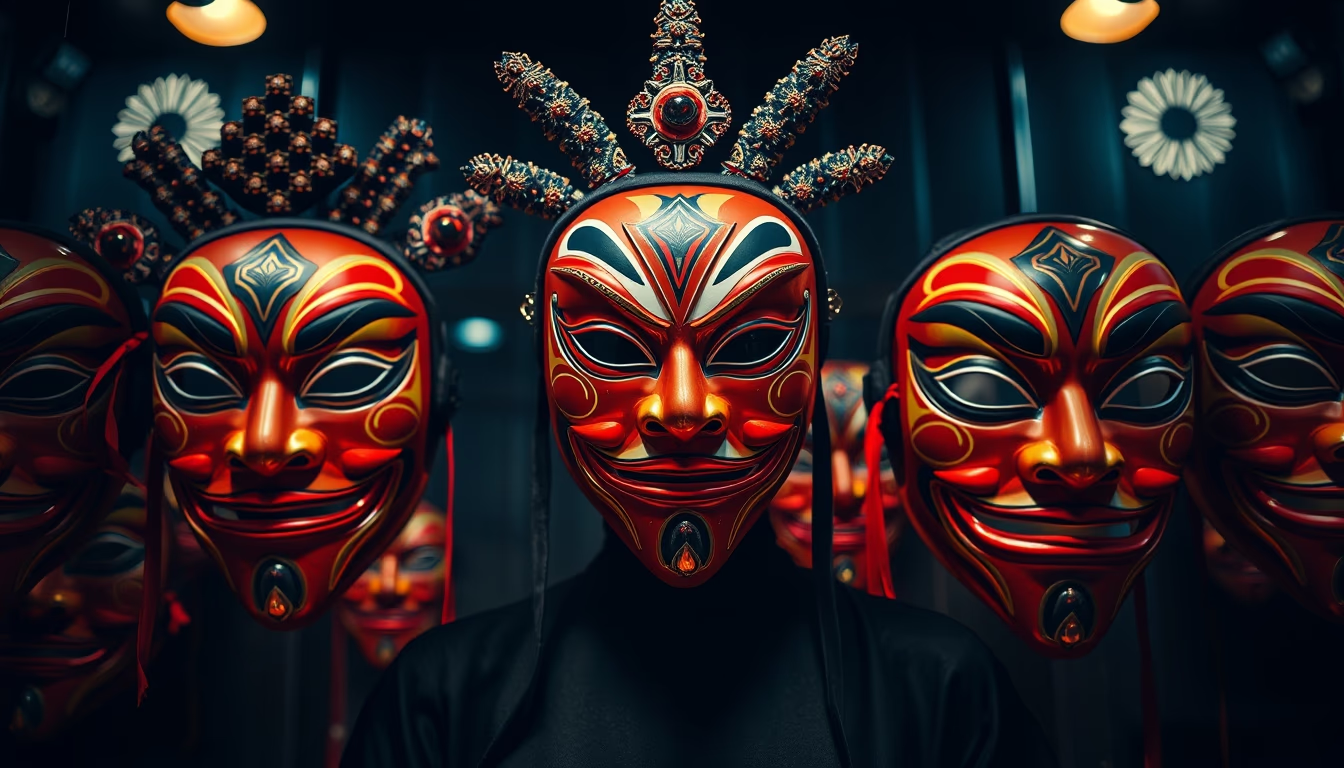
Kabuki stage japanese
1344×768 · AVIF · CC BY 4.0
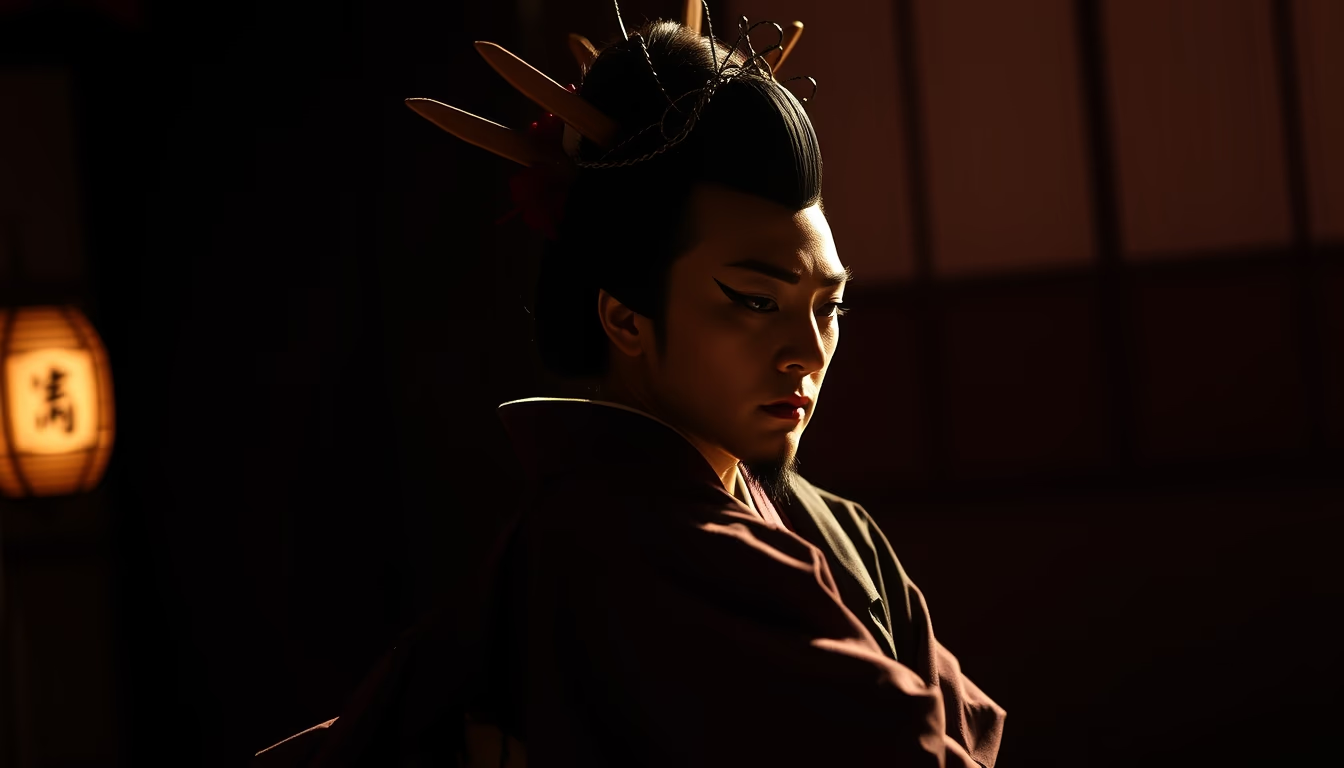
Kabuki is a classical Japanese dance-drama form, combining dance, drama, and music, with stages featuring unique elements like the hanamichi runway.
About this subject
Kabuki originated in the early 17th century during the Edo period, created by Izumo no Okuni, a Shinto priestess. Over time, it evolved into a highly stylized theater form, known for its elaborate makeup (kumadori), extravagant costumes, and dramatic performances. Originally, women played all roles, but in 1629 the government banned actresses, leading to male actors performing female roles (onnagata). The kabuki stage is itself a work of art, designed to maximize visual impact and audience interaction.
One of the most striking features is the hanamichi, a runway that extends through the audience, allowing dramatic entrances and exits. Additionally, many theaters have revolving stages (mawari butai) and trapdoors (seri) that enable quick scene changes and surprising appearances. The main stage is rectangular and covered by a traditional roof, reminiscent of Shinto shrine architecture. Lighting and sound effects, such as the hyoshigi (wooden clappers), are integrated into the performance to mark key moments.
Kabuki has been recognized as an Intangible Cultural Heritage by UNESCO since 2008. The most famous theaters include the Kabukiza in Tokyo and the Minamiza in Kyoto. These venues keep the tradition alive, staging classic plays and new productions. The experience of watching kabuki goes beyond the stage: the audience participates with shouts of encouragement (kakegoe) and often dresses formally for the occasion.
Today, kabuki remains a vibrant art form, influencing film, television, and modern theater. Contemporary adaptations, such as kabuki with actors from other backgrounds, seek to attract new audiences without losing historical essence. The preservation of traditional stages and construction techniques is essential to maintaining this rich cultural heritage.
Frequently Asked Questions
What is the hanamichi in kabuki theater?
The hanamichi is a raised runway that extends through the audience in kabuki theaters, used for dramatic entrances and exits, as well as special scenes. It connects the main stage to the back of the theater, allowing greater interaction with the audience.
Why are female roles in kabuki performed by men?
In 1629, the Japanese government banned women from the stage for moral reasons. Since then, specialized male actors called onnagata have performed female roles, developing sophisticated techniques in movement and voice to portray femininity.
Where is the Kabukiza theater and why is it important?
The Kabukiza is located in the Ginza district of Tokyo and is Japan's principal kabuki theater. Opened in 1889, it has undergone several reconstructions and is now a cultural landmark, offering regular performances and preserving the tradition of kabuki.
Direct URL
https://pub-c7d6a6ea828543ac903a74a341ccb2e1.r2.dev/imagens/kabuki-stage-japanese-magazine-editorial-fresh10.avifHow to credit
Include a visible link back to UtilizAí. Copy one of the snippets below:
<a href="https://xn--utiliza-eza.com/en/midia/imagens/kabuki-stage-japanese-magazine-editorial-fresh10">Kabuki stage japanese</a> by <a href="https://xn--utiliza-eza.com">UtilizAí</a>, licensed under <a href="https://creativecommons.org/licenses/by/4.0/">CC BY 4.0</a>.
[Kabuki stage japanese](https://xn--utiliza-eza.com/en/midia/imagens/kabuki-stage-japanese-magazine-editorial-fresh10) by [UtilizAí](https://xn--utiliza-eza.com), CC BY 4.0
License: CC-BY-4.0