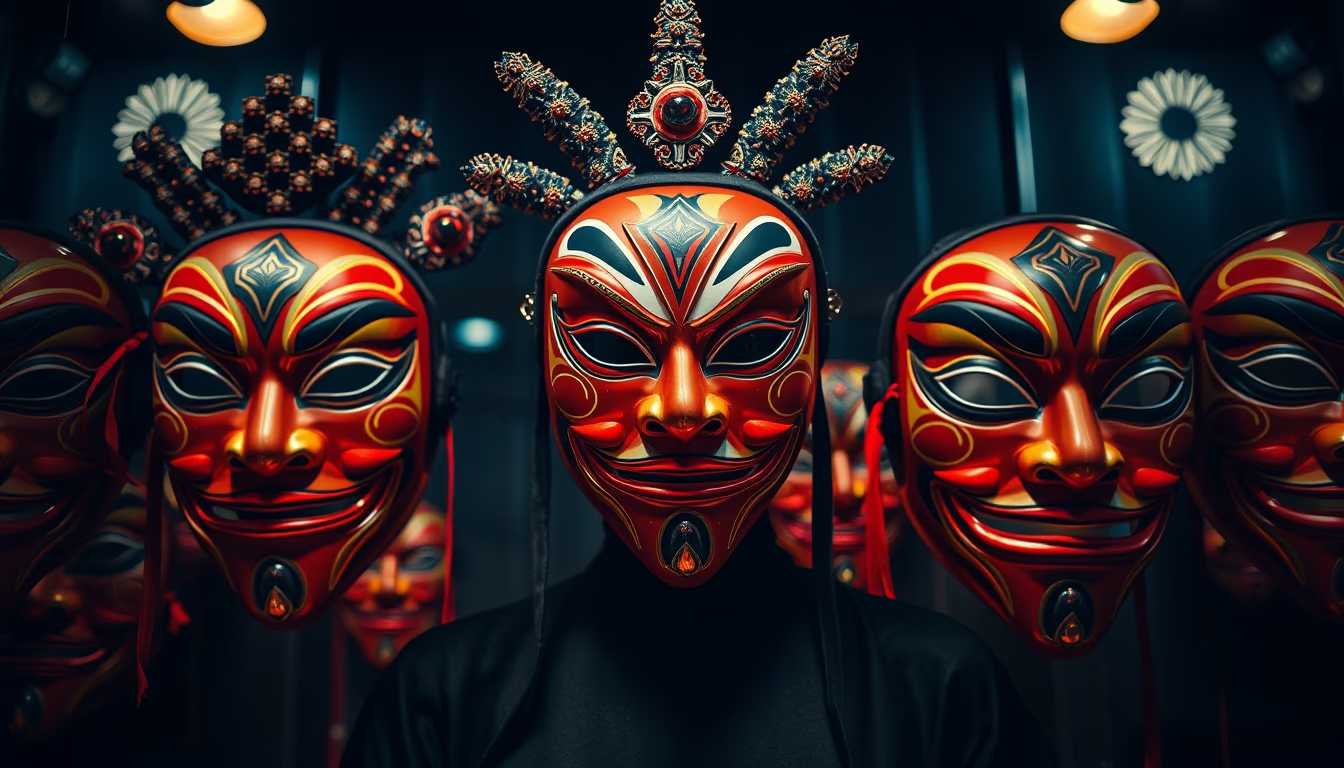
Kabuki masks display
1344×768 · AVIF · CC BY 4.0
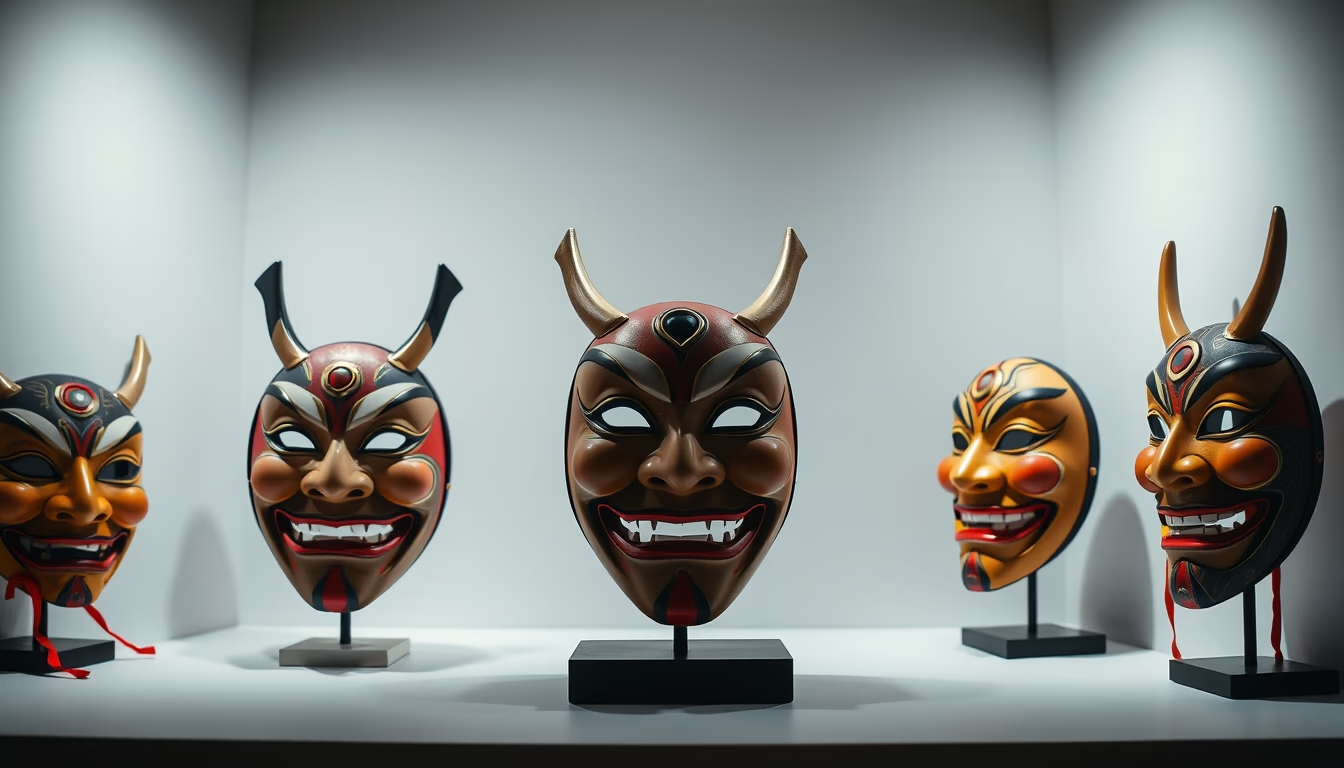
Máscaras de Kabuki são artefatos icônicos do teatro japonês, usadas para representar personagens como demônios e samurais.
Sobre o tema
As máscaras de Kabuki são elementos centrais do teatro clássico japonês, uma forma de dança-drama que surgiu no início do século XVII. Criadas por Izumo no Okuni, uma sacerdotisa xintoísta, as peças de Kabuki combinam música, dança e atuação estilizada. As máscaras, esculpidas em madeira e pintadas à mão, representam arquétipos específicos: o Hannya, um demônio feminino dominado pelo ciúme, o Kitsune, uma raposa mística, e o Kuge, um nobre da corte. Cada máscara possui expressões fixas que, combinadas com a postura do ator, transmitem emoções complexas ao público.
A tradição de entalhe de máscaras de Kabuki remonta ao período Edo, quando artesãos especializados, conhecidos como "men-shi", desenvolviam técnicas passadas de geração em geração. A madeira de cipreste japonês (hinoki) é preferida por sua leveza e resistência. A pintura usa pigmentos naturais, como o branco de chumbo para a base e o vermelho de cinábrio para acentos. O processo de criação pode levar semanas, exigindo precisão para capturar os detalhes que definem cada personagem.
No Kabuki moderno, as máscaras são usadas principalmente em peças que retratam figuras sobrenaturais ou históricas. Elas não cobrem todo o rosto, mas sim parte dele, permitindo que o ator expresse emoções através dos olhos e da boca. O uso de máscaras também serve para transformar atores masculinos em personagens femininos, uma prática comum desde a proibição de atrizes no século XVII. Hoje, as máscaras de Kabuki são apreciadas como obras de arte, exibidas em museus e coleções ao redor do mundo, e continuam a inspirar designs contemporâneos.
Perguntas frequentes
Qual é a origem das máscaras de Kabuki?
As máscaras de Kabuki originaram-se no início do século XVII, junto com o teatro Kabuki. Elas foram criadas para representar personagens sobrenaturais e históricos, esculpidas em madeira por artesãos especializados.
Quais são os tipos mais comuns de máscaras de Kabuki?
Os tipos mais comuns incluem o Hannya (demônio feminino), o Kitsune (raposa mística), o Kuge (nobre da corte) e o Oni (ogro). Cada um tem características específicas de expressão e pintura.
Como as máscaras de Kabuki são feitas?
Elas são esculpidas em madeira de cipreste japonês (hinoki) e pintadas com pigmentos naturais. O processo envolve entalhe, lixamento e aplicação de camadas de tinta, podendo levar semanas para ser concluído.
URL direta
https://pub-c7d6a6ea828543ac903a74a341ccb2e1.r2.dev/imagens/kabuki-masks-display-studio-still-life-fresh2.avifComo creditar
Inclua um link visível de volta pro UtilizAí. Copie um dos snippets abaixo:
<a href="https://xn--utiliza-eza.com/midia/imagens/kabuki-masks-display-studio-still-life-fresh2">Kabuki masks display</a> by <a href="https://xn--utiliza-eza.com">UtilizAí</a>, licensed under <a href="https://creativecommons.org/licenses/by/4.0/">CC BY 4.0</a>.
[Kabuki masks display](https://xn--utiliza-eza.com/midia/imagens/kabuki-masks-display-studio-still-life-fresh2) by [UtilizAí](https://xn--utiliza-eza.com), CC BY 4.0
Licença: CC-BY-4.0